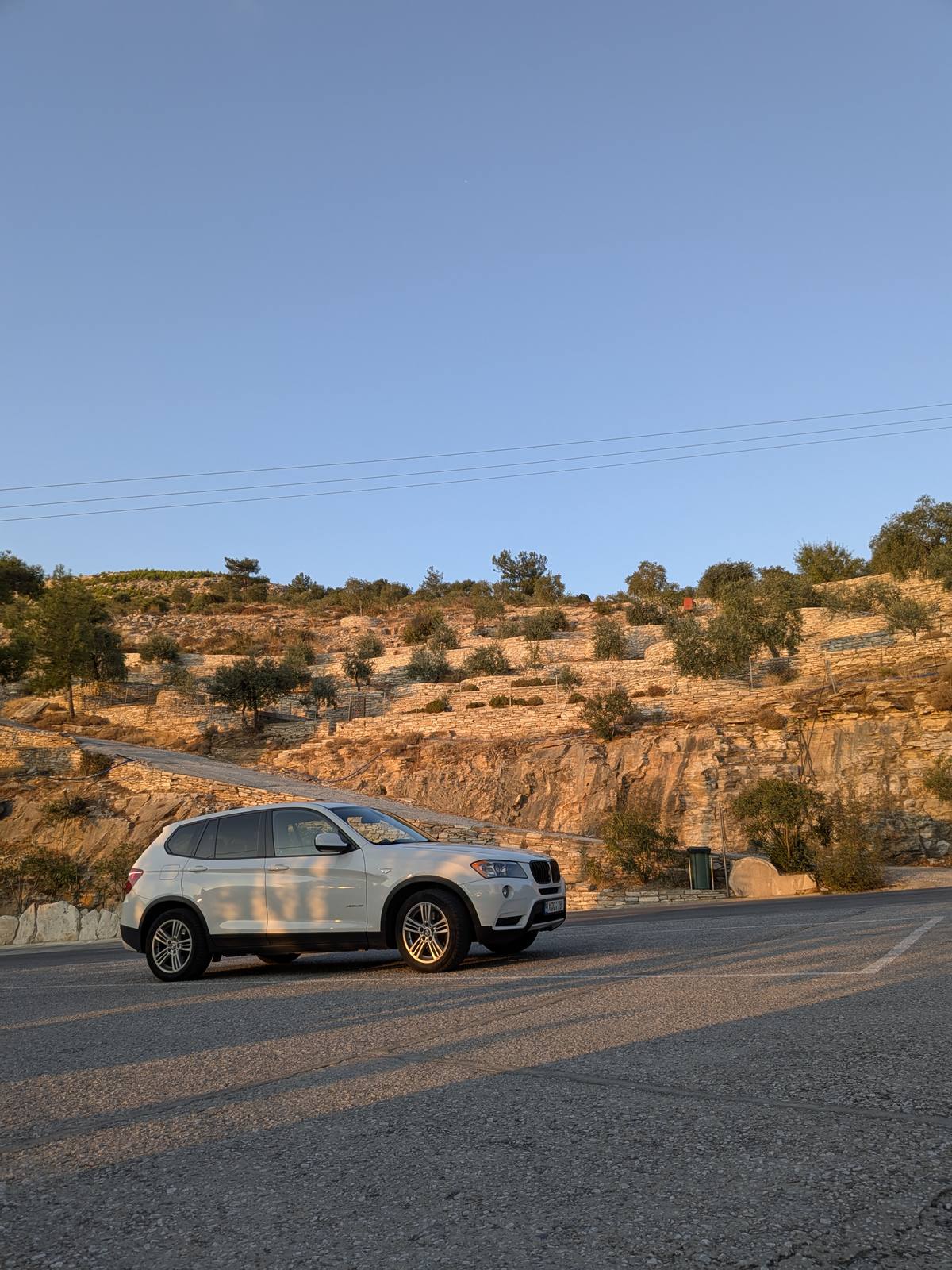
 In the garage · since 08.10.21
A dossier kept by RT · reconstructed from four years · the opinions are his, not the table's
In the garage · since 08.10.21
A dossier kept by RT · reconstructed from four years · the opinions are his, not the table's
BMW X3
xDrive28i
Four years and 57,000 kilometres later, it still surprises me. A naturally aspirated six, a flawless gearbox and a car exactly as big as it needs to be.
13 entries · 271,000 km · a 2011 car
WHY AN F25
The last X3 with a naturally aspirated six, a flawless gearbox and the size of the first X5. The arguments, served cold.
Before the dated entries, the reasons - reconstructed coldly, four years later. Why an X3, why exactly this generation, why with this engine.
01 · The moment
It came after two E39s - a 525d and a 530i - cars I knew by heart. I wanted something taller, roomier, with all-wheel drive for our winters, but without losing what I liked about BMW: the inline-six, the good gearbox, the steering. The F25 ticked everything - and had an advantage I only understood over time: it is the generation in which the X3 became a serious car without becoming a big one.
02 · The engine - N52
Under the bonnet sits the N52B30: 3.0 litres, six cylinders in line, naturally aspirated. 258 PS at 6,600 rpm and 310 Nm at 2,600-3,000 in the European rating - 240 hp in the American SAE one, same engine. A magnesium-aluminium composite block, Valvetronic, double VANOS - a Ward's 10 Best Engines winner in 2006 and 2007. And the detail that makes it special in an X3: the 2011-2012 xDrive28i is the last X3 with a naturally aspirated six - from 2013 came the turbocharged four-cylinder N20. Mine is a 2011.
Why this engine has a fan club, twenty years on: because it is the last of the M50 - M52 - M54 - N52 line, the naturally aspirated inline-six that defined BMW, and because at its debut in 2004 it was a brave piece of engineering - the first water-cooled engine with a magnesium-aluminium composite block, some 10 kg saved over its predecessor, second-generation Valvetronic, double VANOS, an electric water pump. What it never had is brute force: even in its top version it does not exceed 272 PS, and the torque is that of a naturally aspirated engine. What it has instead is the linear, silky delivery all the way to 7,000 rpm - and a reputation for reliability that the press sums up in headlines like "the inline-six that refuses to die": with maintenance, 300-400,000 km are normality. Its weak points are few, known and cheap - the list, ticked on mine, is in the annex at the end.
And the nuance the fan club knows well: not every N52 is "that N52". The engine came as a 2.5 (N52B25, 177-218 PS) and as a 3.0, and the 3.0 came in several output stages - 218, 231, 258, 272 PS. The 2.5 is the bottom rung of the family: smaller bore and stroke on the same block, no DISA variable intake manifold, noticeably less torque at the same weight and nearly the same consumption - on the forums it is called, bluntly, "a bit of a dud". The 3.0 in its upper output stage, with the three-stage DISA, is the engine people mean when they say "N52". Mine is that one: N52B30, 258 PS, the technically revised 2011 version.
03 · The gearbox - ZF 8HP
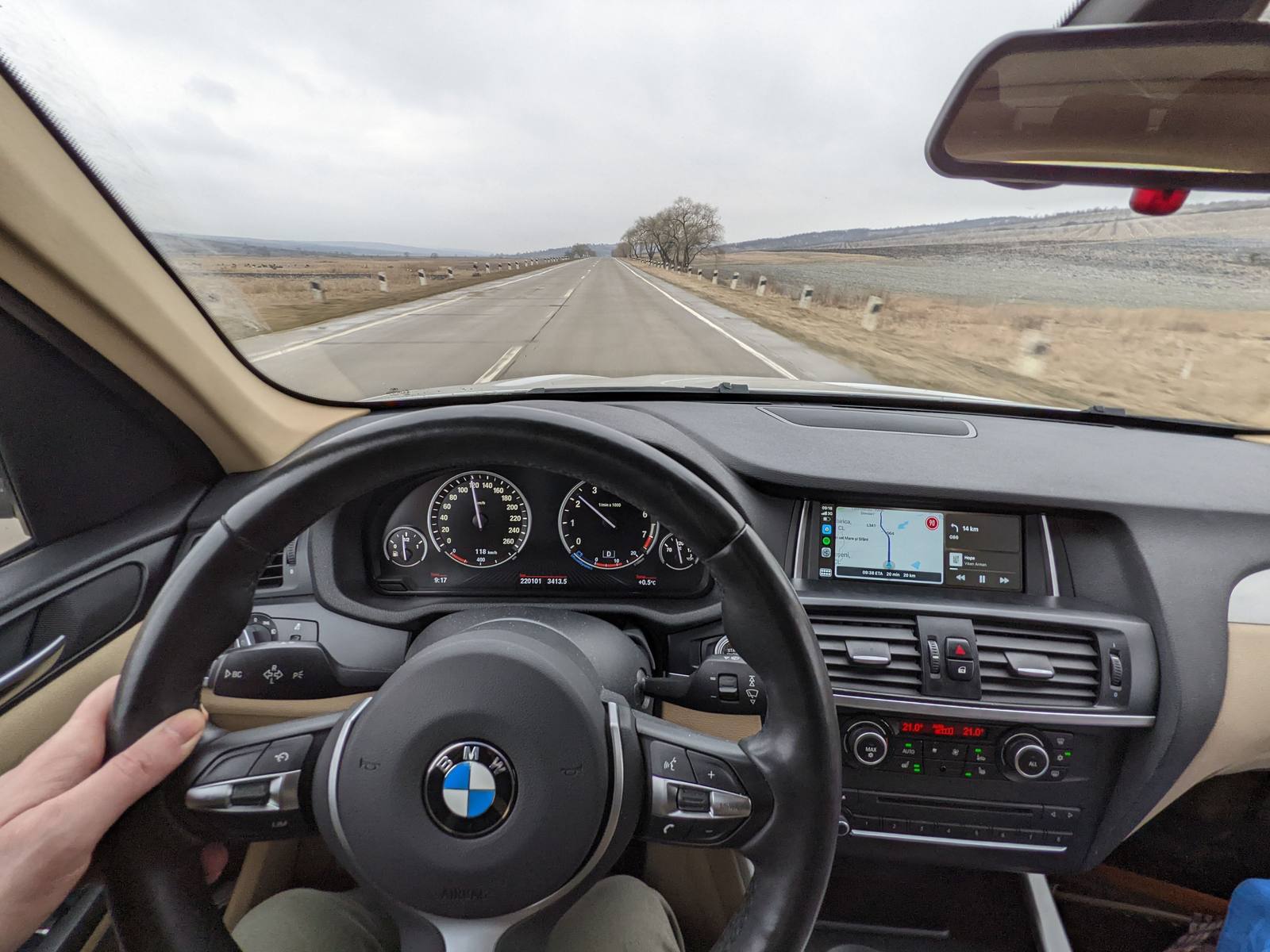
The F25 was the first X3 with the eight-speed ZF automatic, from launch. The same gearbox family went into Rolls-Royce, Bentley, Jaguar and Ram - and many consider it the best conventional automatic ever built. On the N52 it is the 8HP45: it moves through the gears without announcing itself, anticipates, and at 271,000 km runs as smoothly as on day one.
Why it is considered the best: four planetary gearsets and five shift elements - three clutches and two brakes - of which, in any gear, only two are open; hence the low drag losses and the efficiency. The ratio spread exceeds 7:1 (4.71 in first, 0.67 in eighth), a shift takes about 200 milliseconds, and at launch ZF claimed 12% less fuel than the 6HP before it. The version on the N52, the 8HP45, is rated at 450 Nm and weighs 87 kg. As for the "lifetime oil": that is BMW's wording, not ZF's - ZF recommends a change every eight years or about 80,000 km.
04 · The platform
The F25 is, in fact, the first car of the 3 Series' F family: it appeared in 2010, and the 1 Series F20 (2011), the 3 Series F30 (2012) and the X4 F26 (2014) followed on the same architecture - the same ZF electric steering (the racks are sized per model, but the internals are shared), the same axle layout (double-joint spring strut up front, five links at the rear), the same engines and the same 8HP. The X3 did not borrow from the F30; the F30 came on its recipe. Next to the X5 and X6 it is the simple car of the family: no air suspension, no active steering, no turbo. Fewer things to break - and, in practice, a very reliable platform, with its problems concentrated past 160,000 km, nearly all of them known and fixable.
05 · The perfect size
We all know that, generation after generation, the same model grows. The F25 seems to me the optimum: roomy inside, but not exaggerated outside - it never becomes awkward to park. And the comparison that says it all: the F25 is as big as the E53, the first X5. 4,648 mm long versus 4,667; 1,881 wide versus 1,872; wheelbase 2,810 versus 2,819. The same footprint, about 5 cm lower.
Lengths in millimetres · the X3 grew 19 cm in four generations - and caught up with the first X5
06 · The American import
The car comes from the States: hence the 240 hp rating, the flat driver's mirror and the American software it arrived with. The first thing I did was give it European firmware - every module, to the latest version available in October 2021 - and, later, European glass in the mirror. The rest is the story of the entries below.
07 · The birth certificate
The VIN decode tells the rest: built on Friday, 21 January 2011, in Spartanburg, with the engine in its N52T version - the technical revision of the N52 - and with a list of options that explains much of what follows: Navigation Professional (609) - the CIC I later replaced with NBT EVO -, HiFi (676), a factory heated steering wheel (248) - which is why the later M wheel is heated too -, electric seats with memory (459) and heating (494), a panoramic roof (402), Comfort Access (322), adaptive xenon (522, 524), PDC (508), Servotronic (216), trailer hitch preparation (8SL), 17" style 306 wheels (2AM).
And the American fingerprints, in black and white: a 315 MHz remote (876) - which is why the G key had to be coded -, "area code 2" for the navigation (698), English language version (853), all-season tyres (927) and a factory oil service interval of 12,000 km or 12 months (8KM). One line of the decode does not match the car: it would supposedly be Tiefseeblau Metallic with amber and black upholstery. It is white, with a fully beige interior from the factory - not just the seats but all the trim, down to the door cards. These databases get things wrong, and the dossier records what it does not know, too.
08 · The spec sheet
| Built | 21.01.2011 · Spartanburg, USA |
| Engine | N52B30 (N52T) · 3.0 l · naturally aspirated I6 |
| Power · torque | 258 PS (240 hp SAE) · 310 Nm |
| Gearbox | ZF 8HP45 · 8 speeds |
| Drivetrain | xDrive · multi-plate clutch, 40:60 default |
| 0-100 km/h | 6.7 s |
| Dimensions | 4,648 × 1,881 × 1,661 mm · wheelbase 2,810 |
| Boot | 550 · 1,600 l |
| Real consumption | 9.7 l/100 km on long trips · 12.6 l/100 km mixed, mostly city |
| Mileage | 271,000 km · bought at 214,000 |
And with that, to the entries - chronologically, from 8 October 2021.
THE PURCHASE
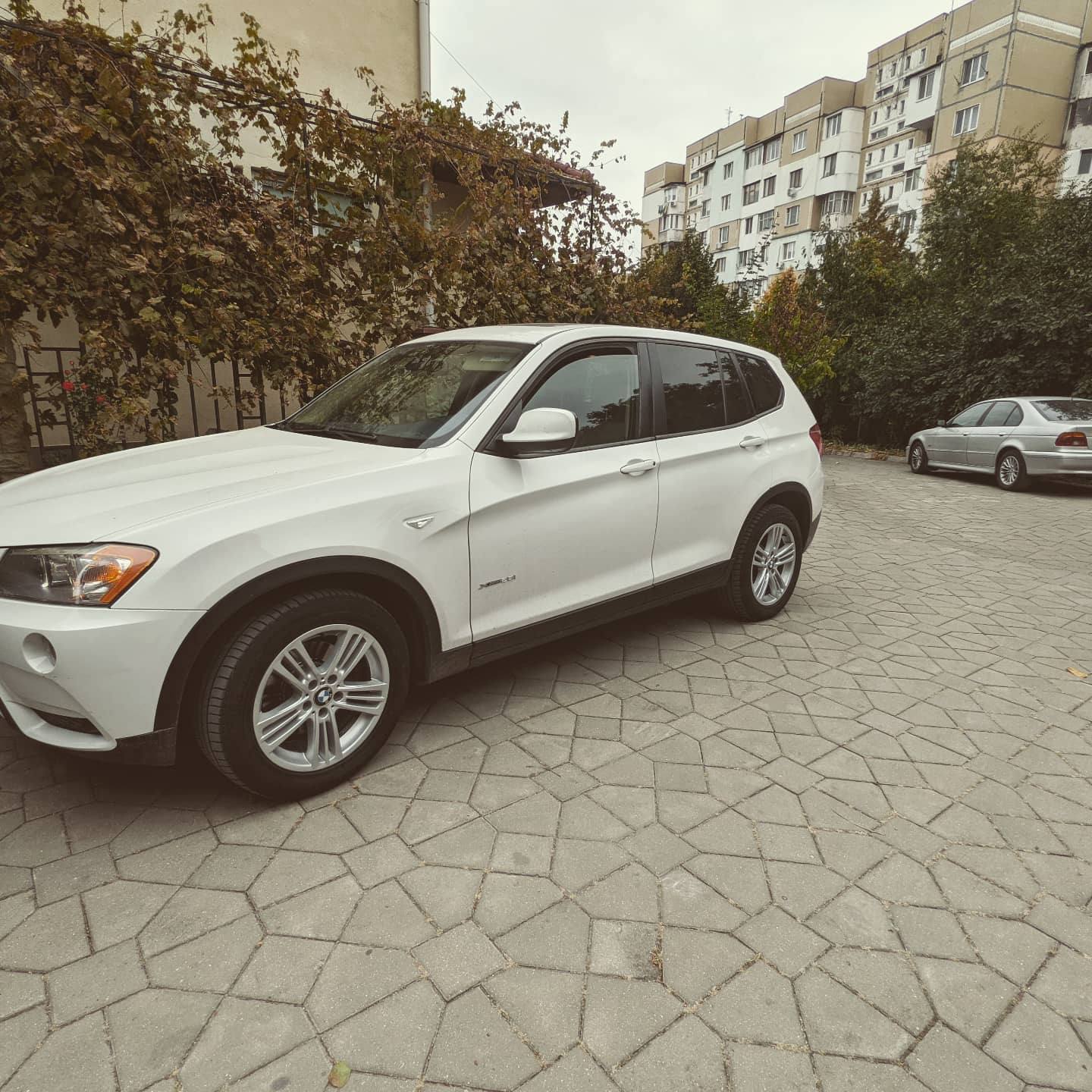
Bye bye, good old E39. Hello F25: a 2011 with 214,000 km and a naturally aspirated six under the bonnet.
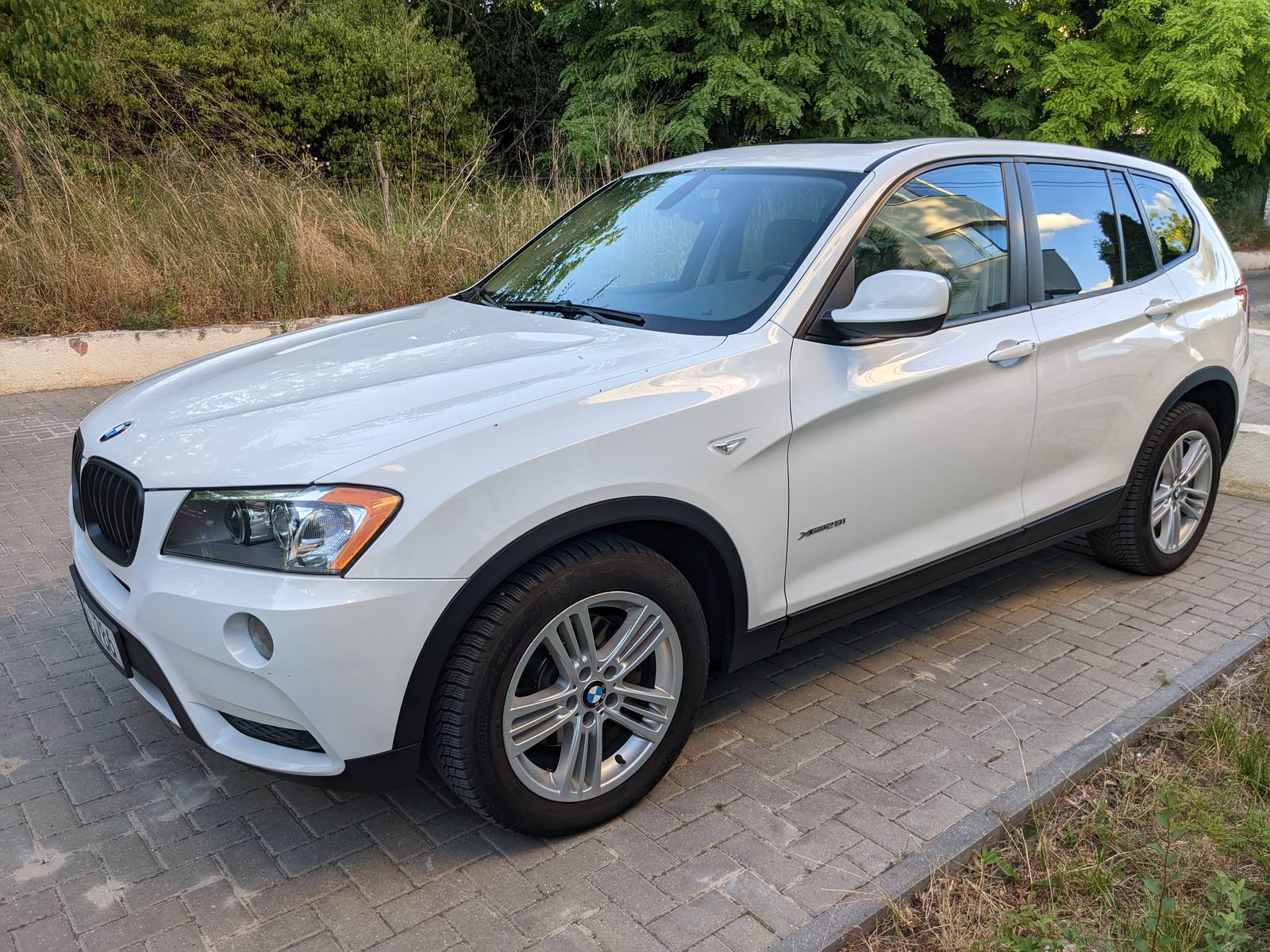
Posted on Instagram on 11 October, bought on the 8th: "Bye bye, good old E39. Hello F25." A 2011 with 214,000 km and an N52B30 under the bonnet - white, on 18-inch wheels, with a beige interior.
I knew what I was getting: I knew the BMW inline-six from the E39s - only there it was the M54, and the N52 is another generation, far more advanced technically. I had wanted the gearbox for a long time, and the high mileage did not scare me - on a well-kept N52, 214,000 is mid-life, not the end.
And the real reason, without which I would not have bought it: for as long as it had been in Moldova, the previous owner had it serviced at the same workshop where I serviced my own BMWs. Its history was already in their files - and those people knew exactly what they were selling me. What I did not know was how well it would suit me.
I also have a test of my own: a long, gentle curve I take with every car at about 60 km/h, watching how it behaves - grip, body roll, what the body says. Well, the X3 took it without any drama, with body roll comparable to, if not smaller than, the E39's - which is a saloon. The first surprise, on the first day.
THE FIRMWARE
Same car, different character: 2010 software brought up to date - and made European.
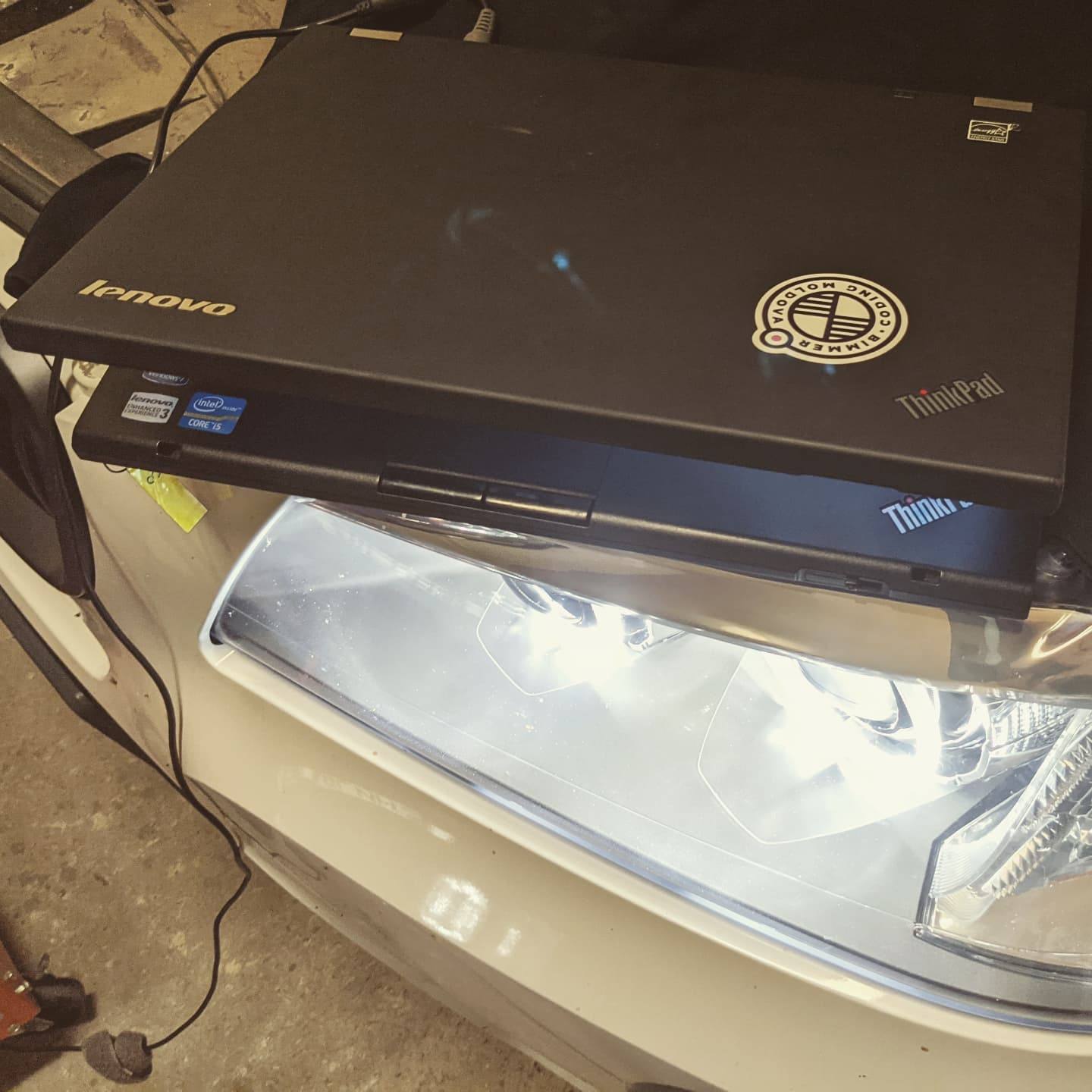
The first visit to bimmercoding.md, four days after the purchase. The car was running on 2010 software; every module was brought up to the latest version available in October 2021 - and, being European software, the car became European on the inside too: kilometres, degrees Celsius, the functions from here.
The differences were immediate: the accelerator responds far more promptly in Comfort, the gearbox runs through the gears like a breeze and anticipates better, and the steering is more refined - a tad stiffer, more informative, more natural. Same car, different character, not a single part replaced.
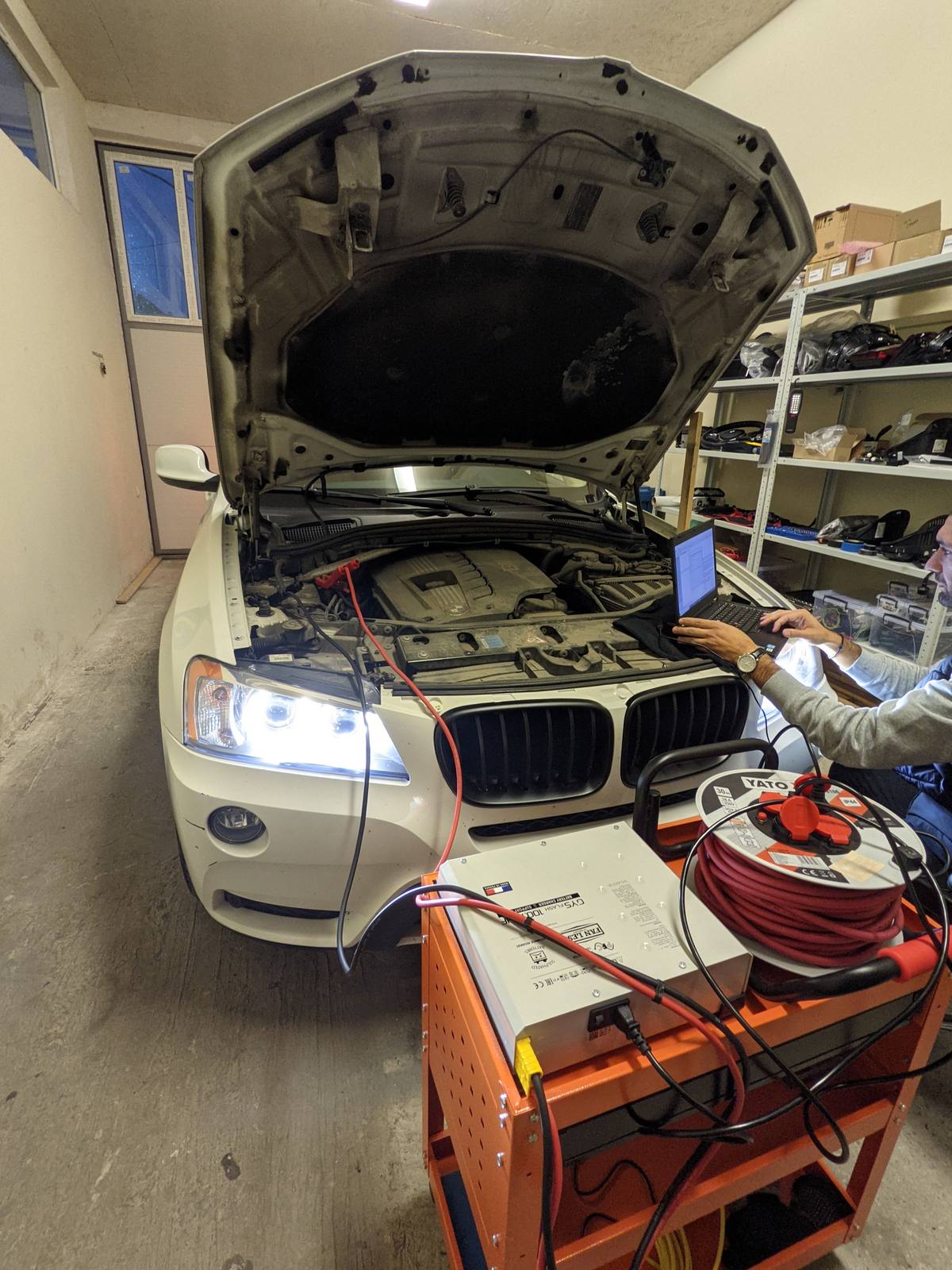
The pedal deserves a paragraph of its own, because it was not an impression. The first F25s in the States had a strangely configured accelerator: you press at first - and nothing happens; you keep pressing, and the car sets off all at once, abruptly. On the forums the subject fills whole pages - "throttle lag / lurching", with all sorts of cures, from resetting the throttle adaptations to a newer pedal module. The real cause, though, is documented by BMW: service bulletin SIB 24 02 12 - F25 with N52 or N55 and the 8HP45 gearbox, built up to 16.01.2012: "delay in engine response when reaccelerating from lower speeds, caused by unfavourable DME and EGS software calibration". The remedy: reprogramming. In other words, exactly what the firmware update did - my car is a 2011, right inside the affected window, and the "far more prompt" pedal above is, in fact, the pedal it should have left the factory with.
THE KEY
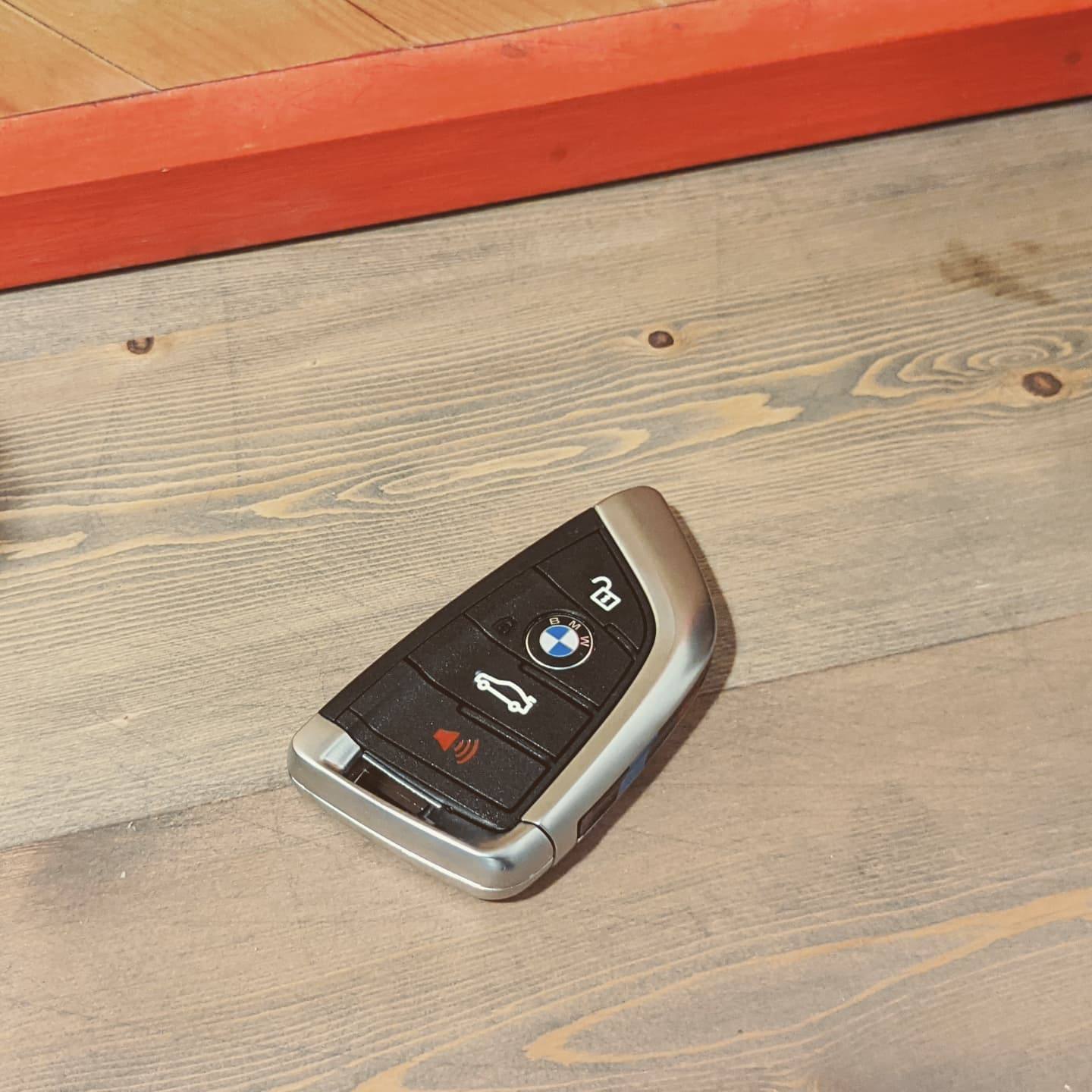
A spare key from the next generation - coded for a 2011 car.
A spare key - but not an old one: the G-generation key, coded for the F25. Small, clean, no emergency blade in sight. The second trip to bimmercoding, and the dossier's first good habit: two keys, always.
THE BIG RETROFIT
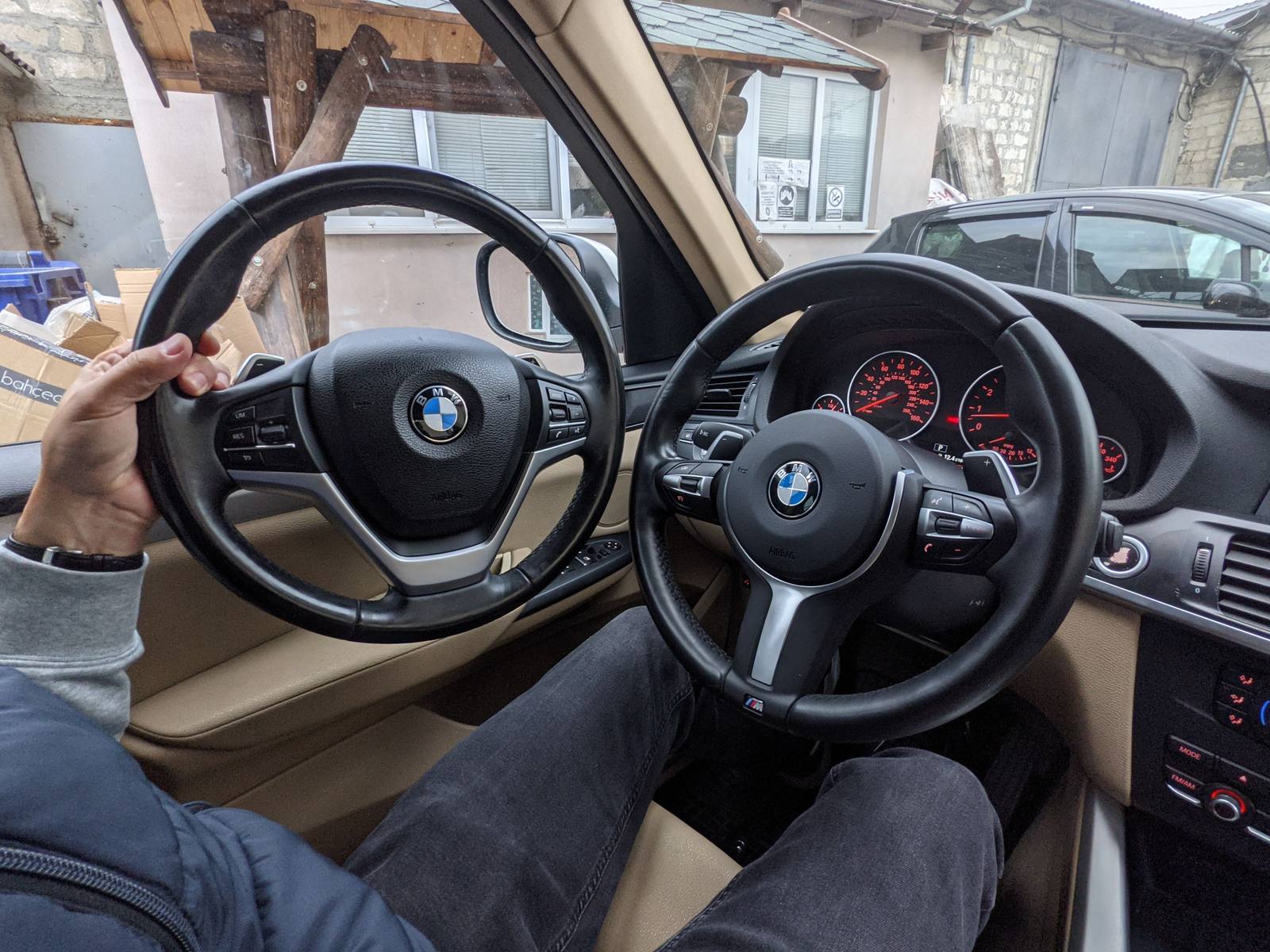
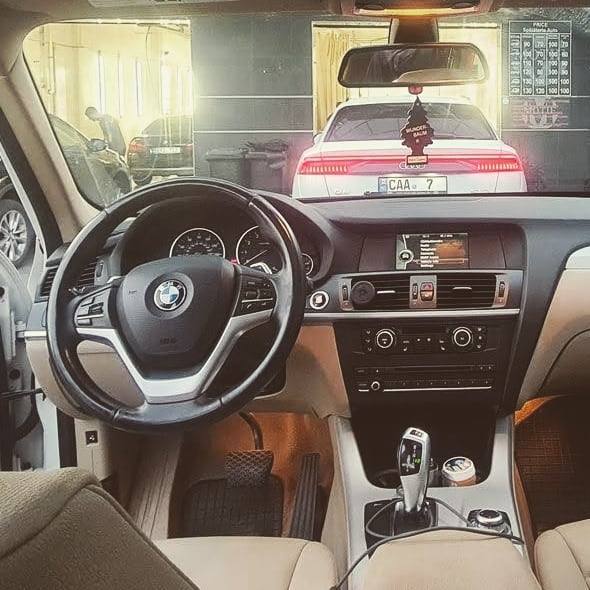
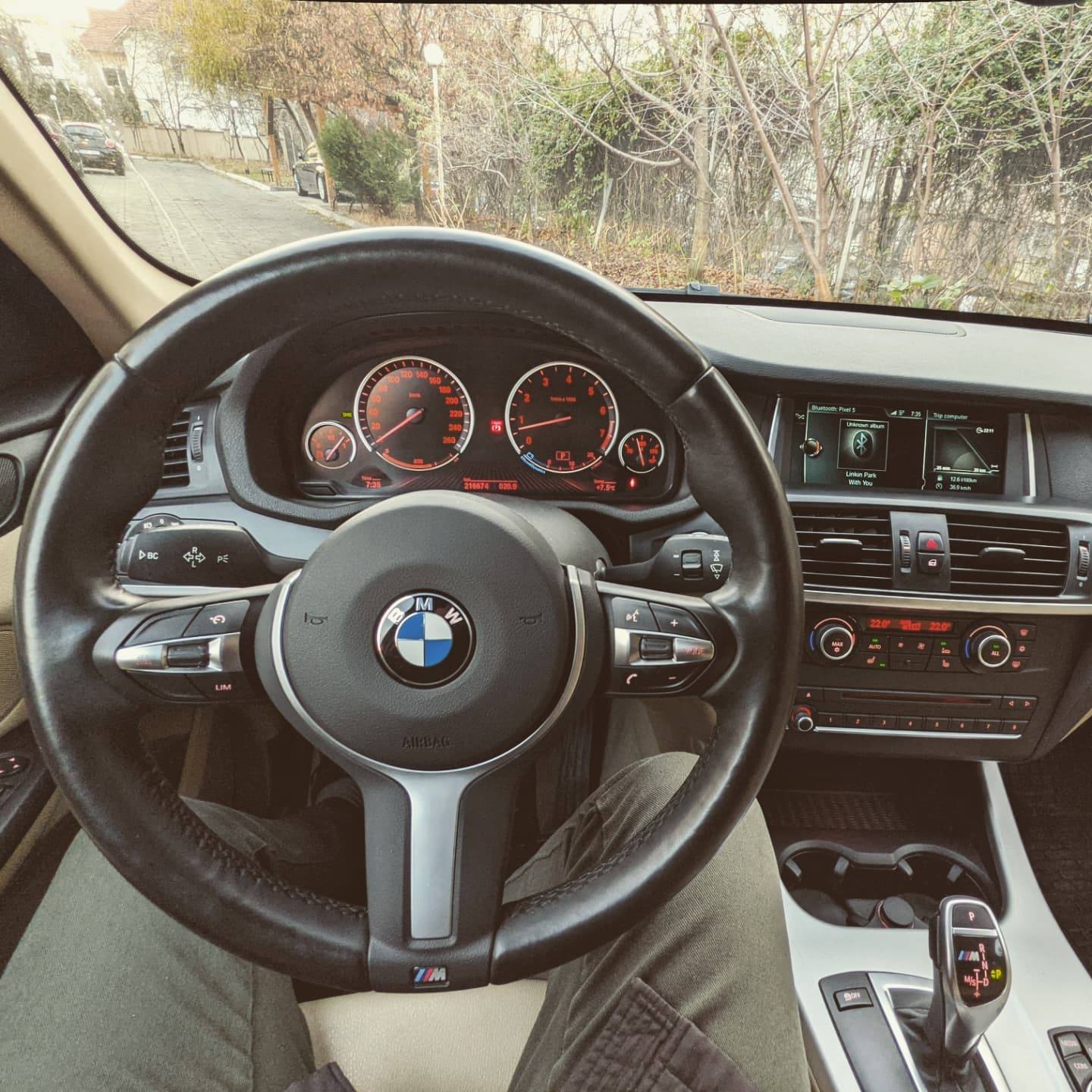
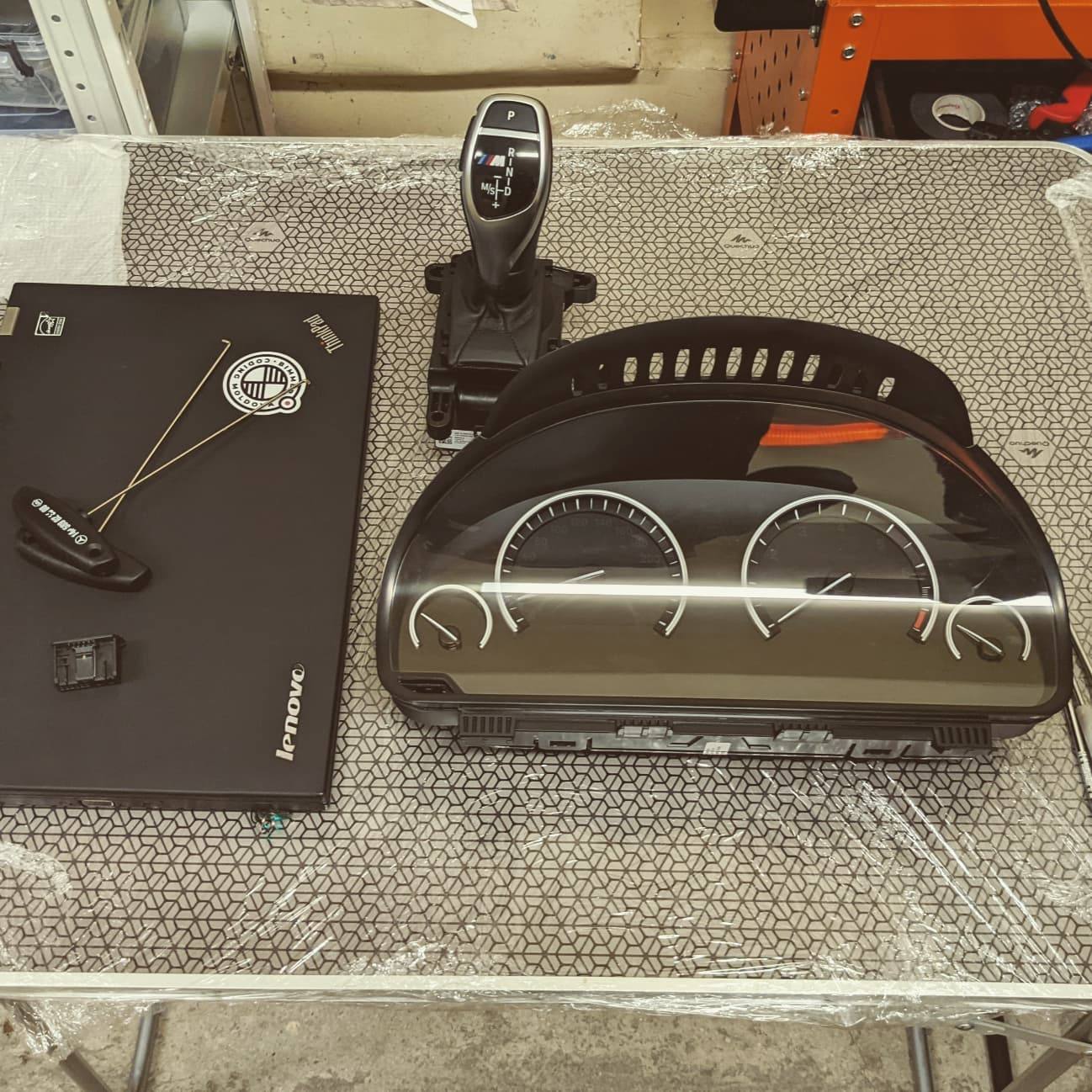
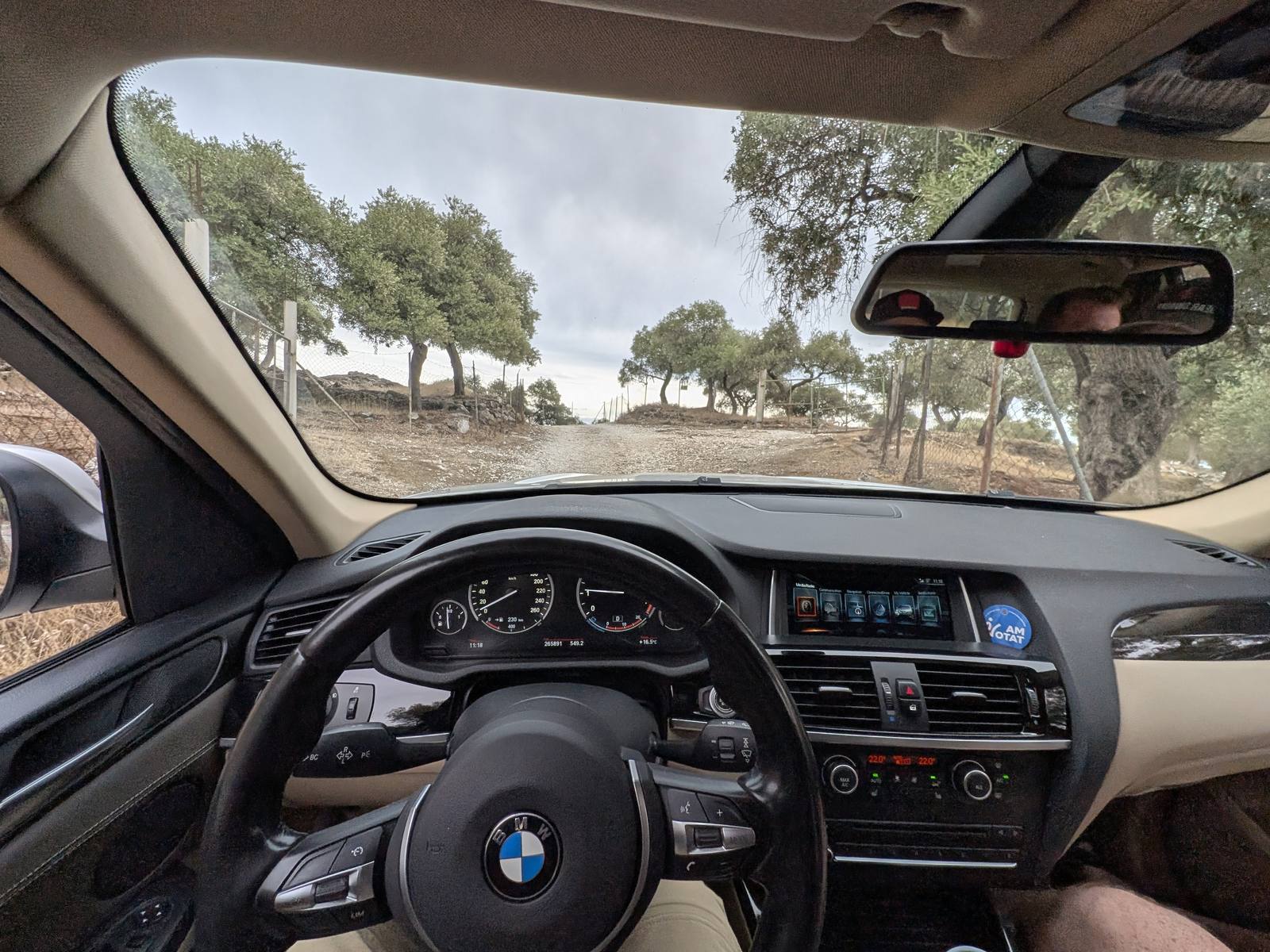
Heated M wheel, NBT EVO with wireless CarPlay, M shifter, 6WA cluster. Four parts that turned a 2011 into a 2016.
The post back then opened with "Yaay! Finally got this part figured out." - and rightly so: four retrofits at once, all with the help of the people at bimmercoding.md. Here is what, and why.
01 · The M steering wheel
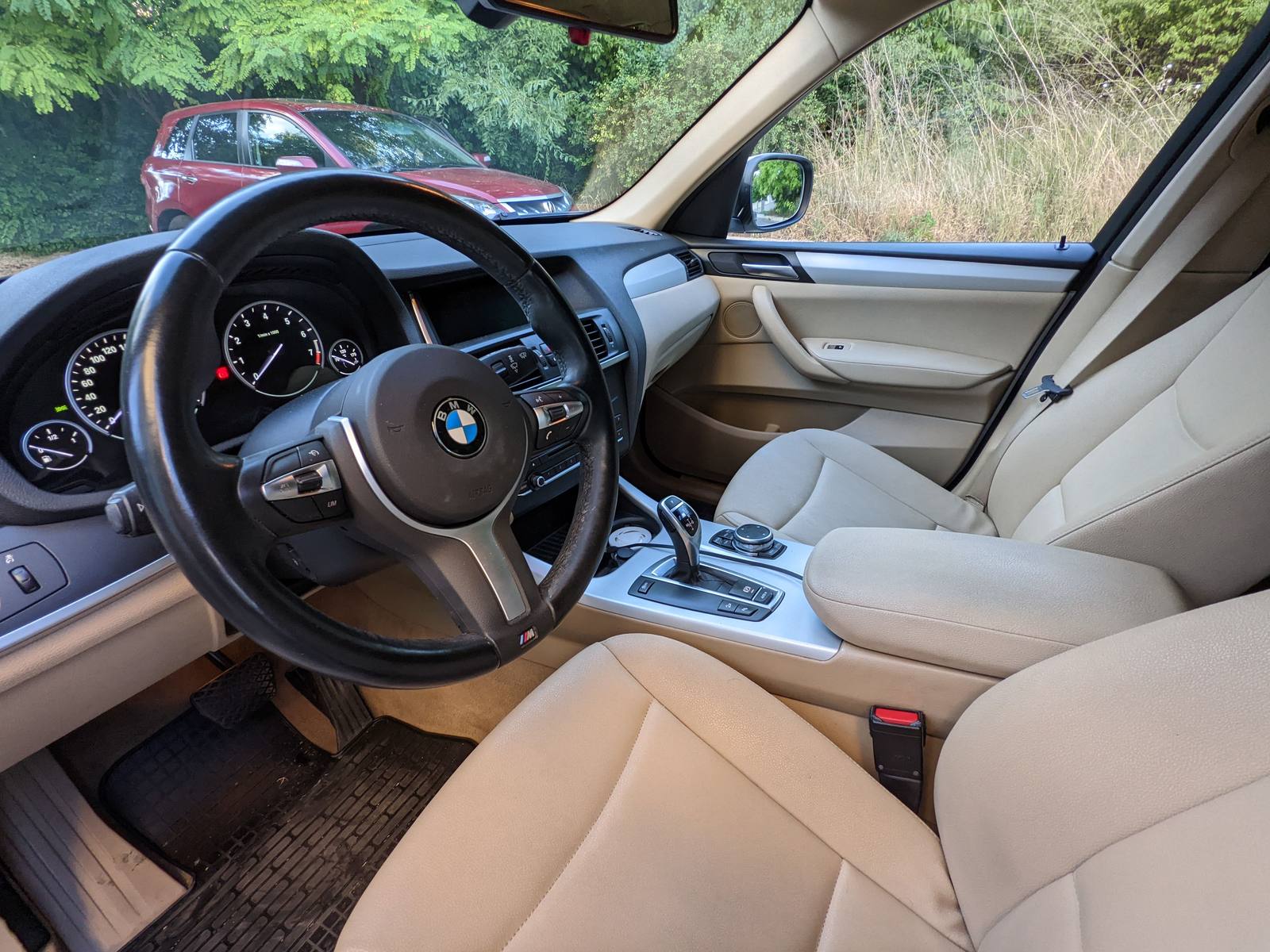
The first thing I wanted. The M wheel looks cleaner and more minimalist to me than the standard one - and, in general, one of the best steering wheels BMW has ever made. Heated, with the controls exactly where you look for them.
02 · NBT EVO - the multimedia
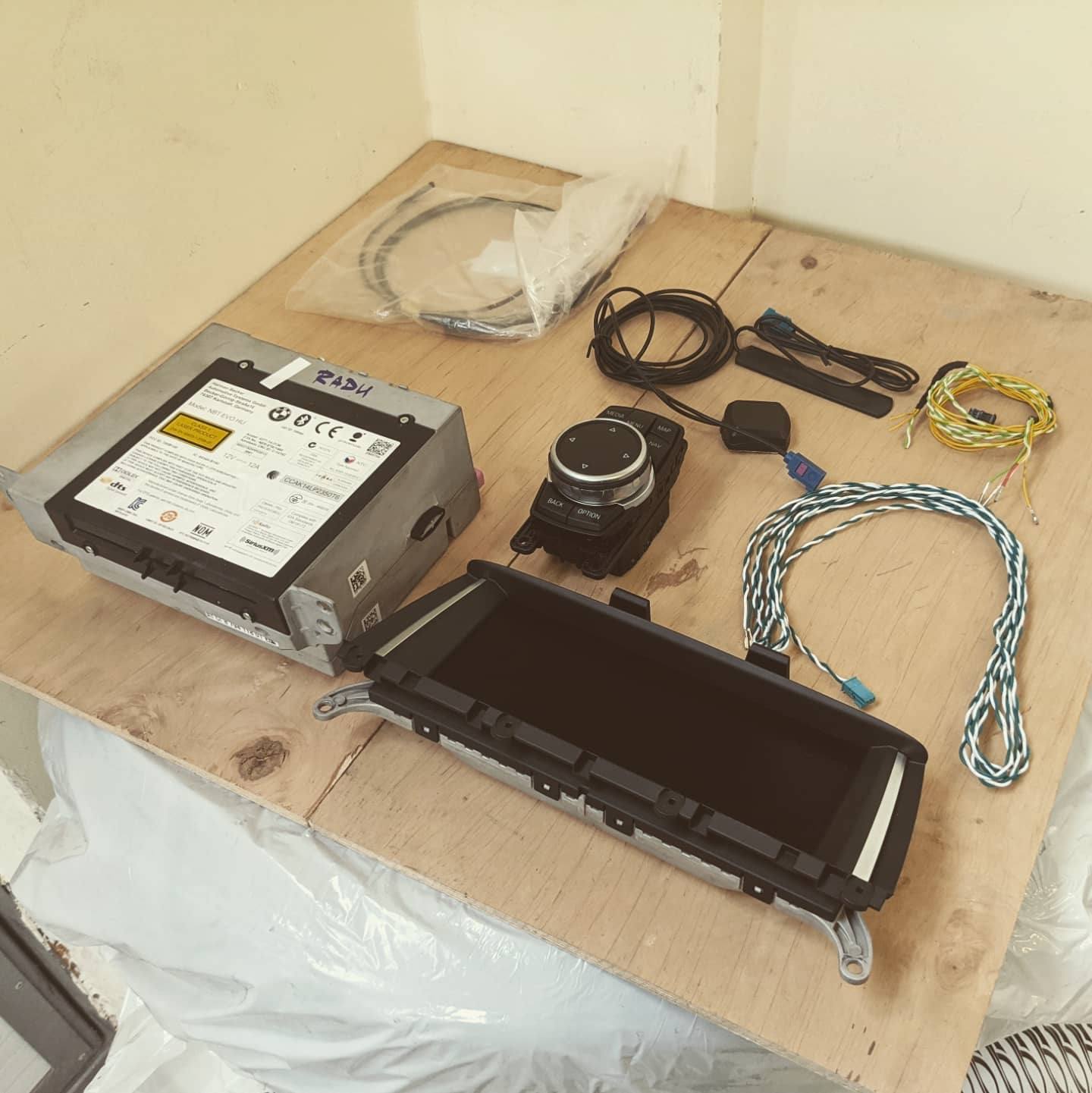
The car had the HiFi system, but the iDrive head unit was from 2011. I wanted the newer version, with the big display and CarPlay support: NBT EVO with wireless CarPlay and screen mirroring. And an unexpected effect: the audio output is noticeably cleaner with the new head unit. On top of that, the standard HiFi amplifier was recoded to the Bang & Olufsen equalisation curve - 676 hardware, 7 Series ears.
03 · The M gear shifter
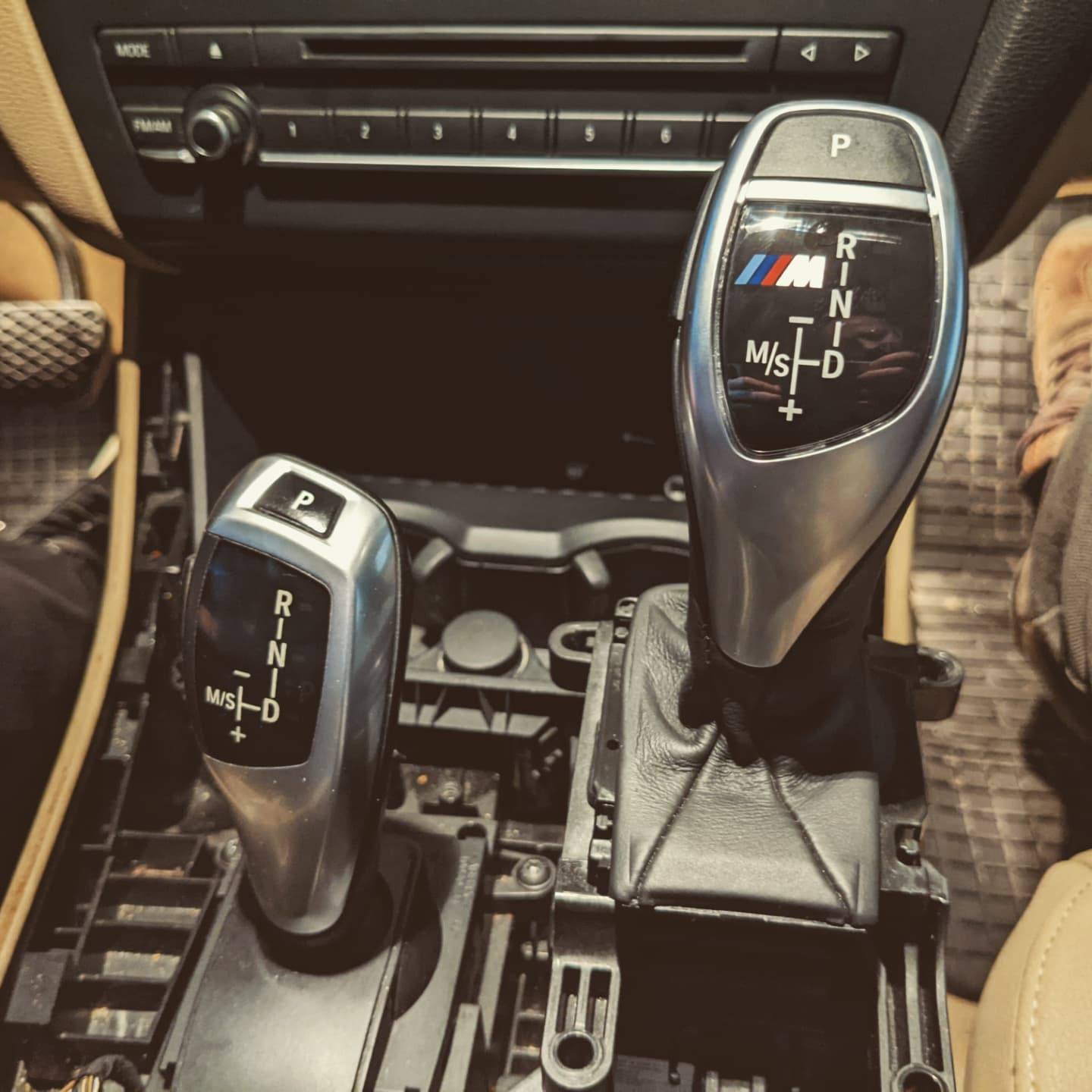
The old one was fairly worn and the Park button already had too much play. I replaced it with one from an X4, in good condition - the same newer design, with the M badge. "Absolutely love it", I wrote then. Still true. A detail you do not see but feel every time you rest your hand on it: the back of the shifter can be plastic or wrapped in fine leather - this M one is leather. Very tactile, very pleasant.
04 · The 6WA cluster
The cluster with the 8.8" screen, which in fact only arrived with the 2014 facelift. On a pre-LCI it is a retrofit plus coding - and it was the nicest addition: physical rings and needles over a display, in other words the perfect ratio between analogue and digital. In kilometres and degrees Celsius, obviously.
See also: Essay №03 · 12.09.26 · The decade lost to software - why a car from 2011 needed a retrofit
ENGINE SERVICE
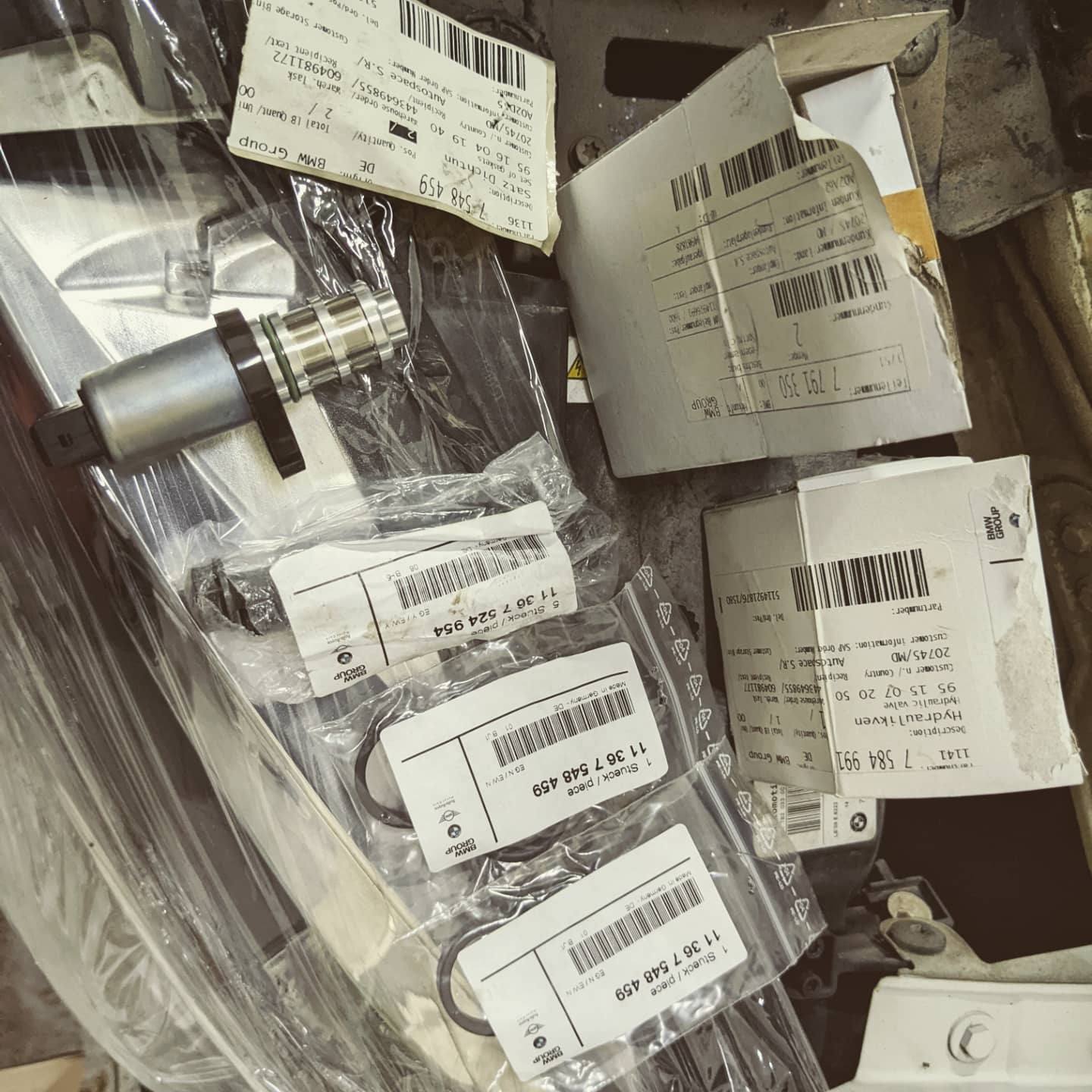
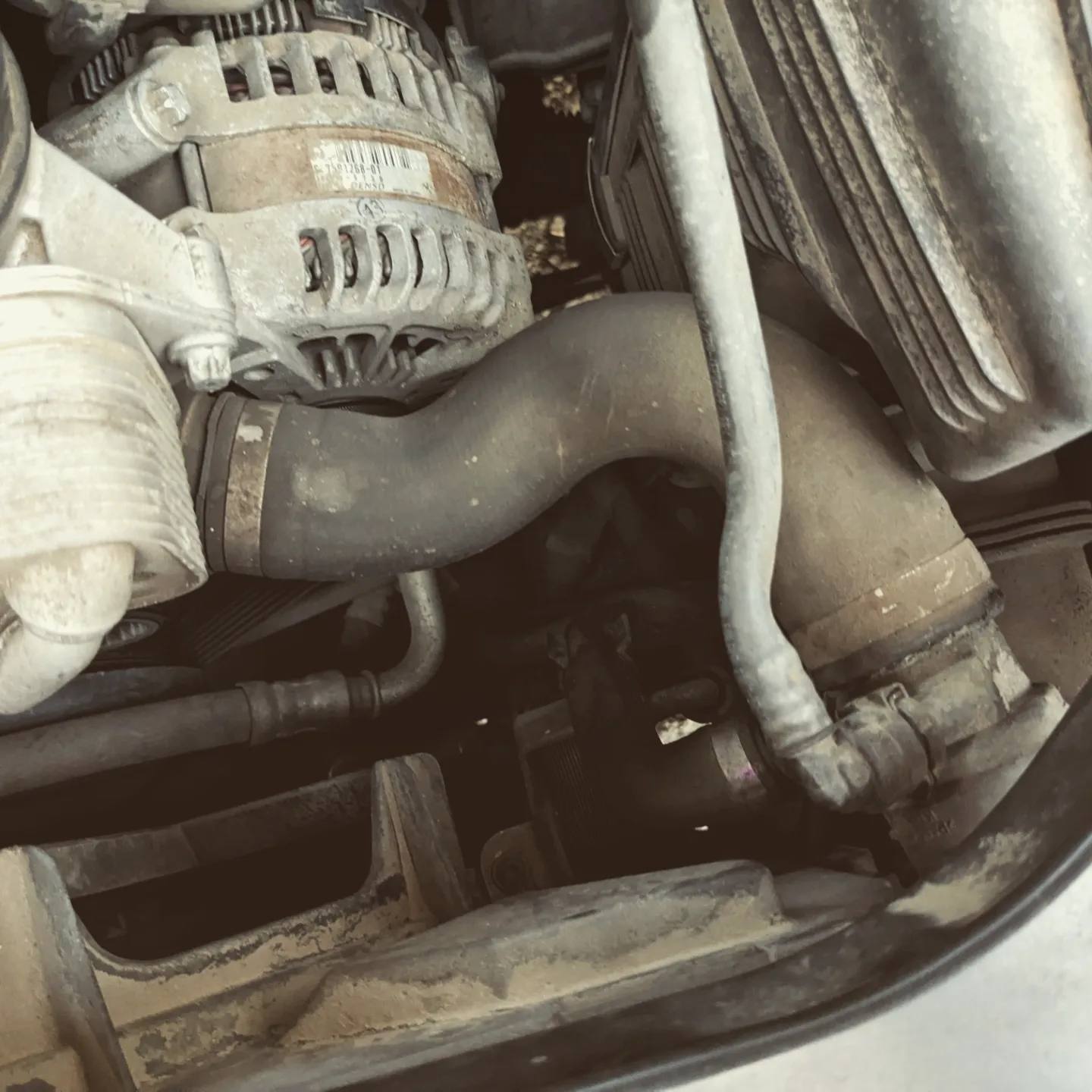
Twenty-four valve stem seals, a new chain, a pressure valve - the N52 preventive list, ticked.
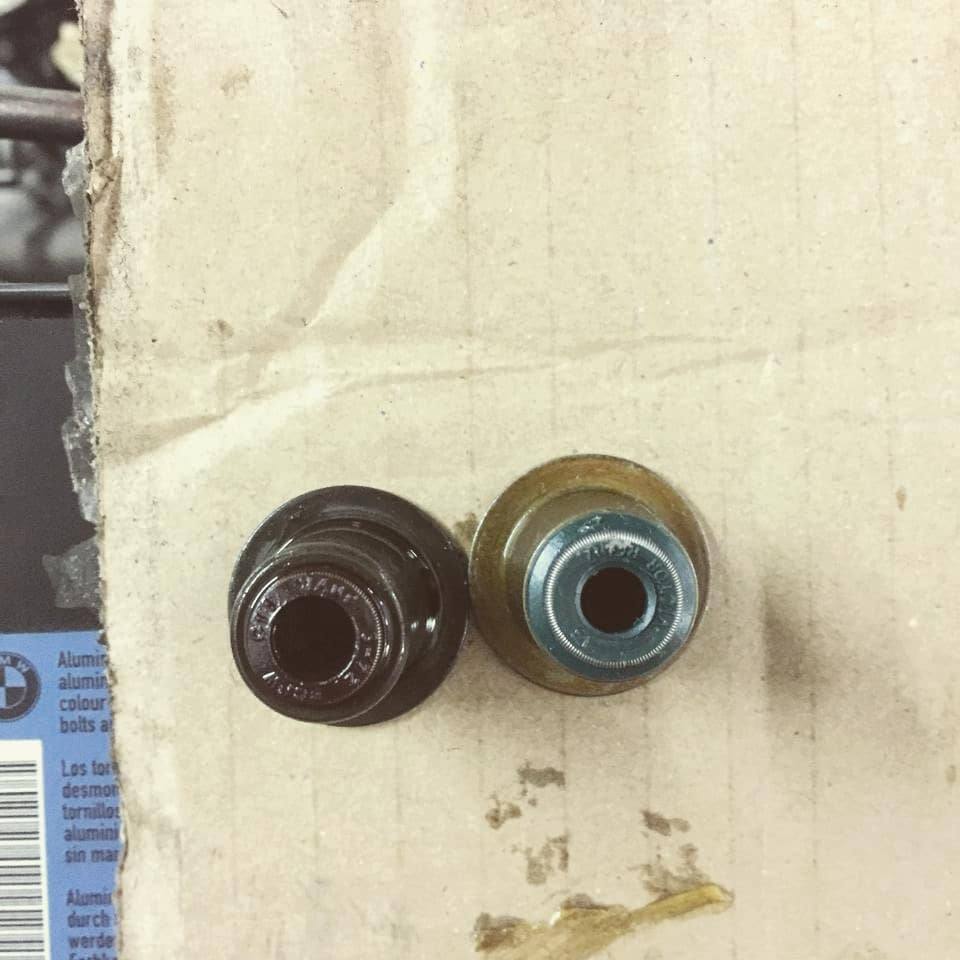
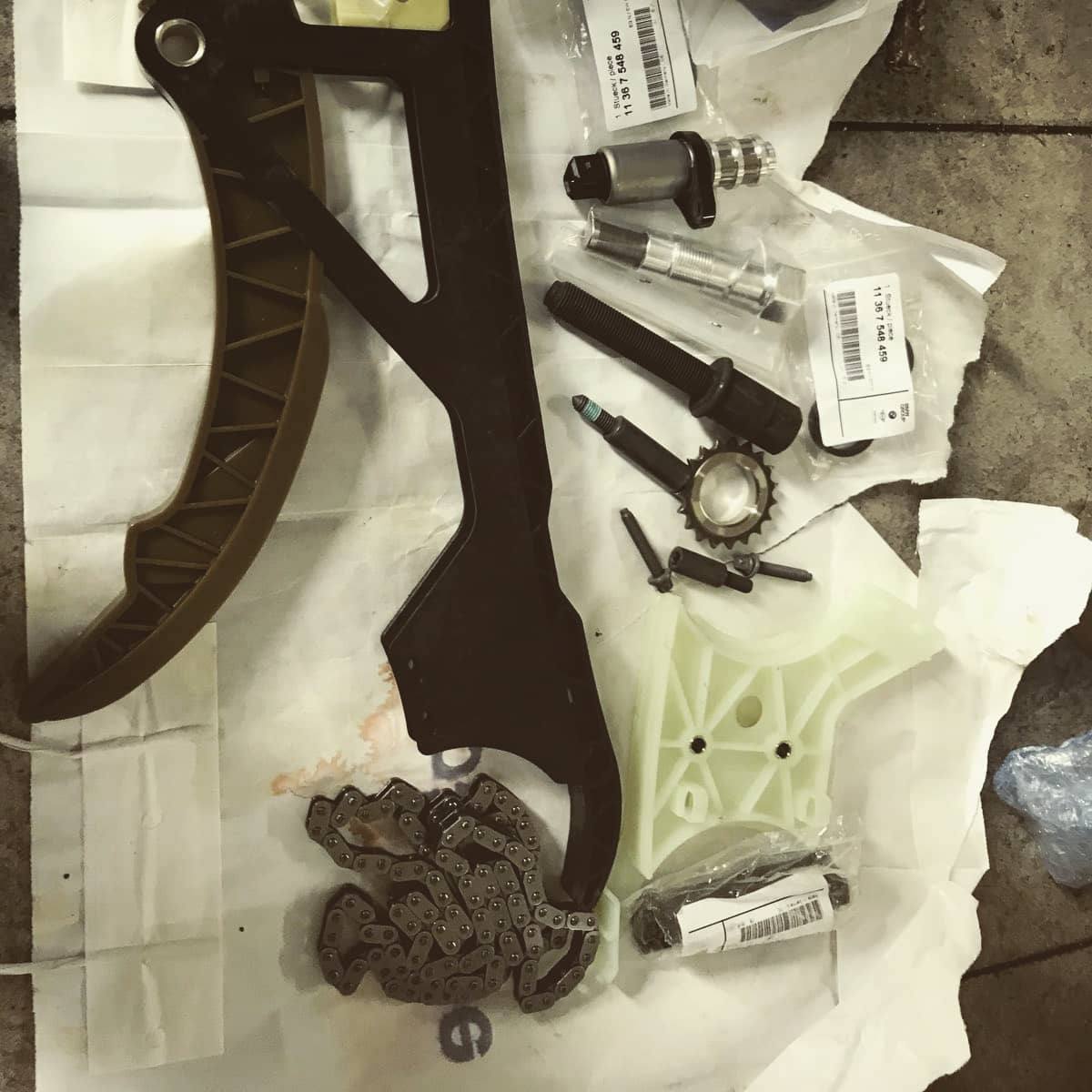
Preventive engine maintenance, about three months after the purchase - the things you do once and sleep soundly for ten years. Valve cover off, and one by one:
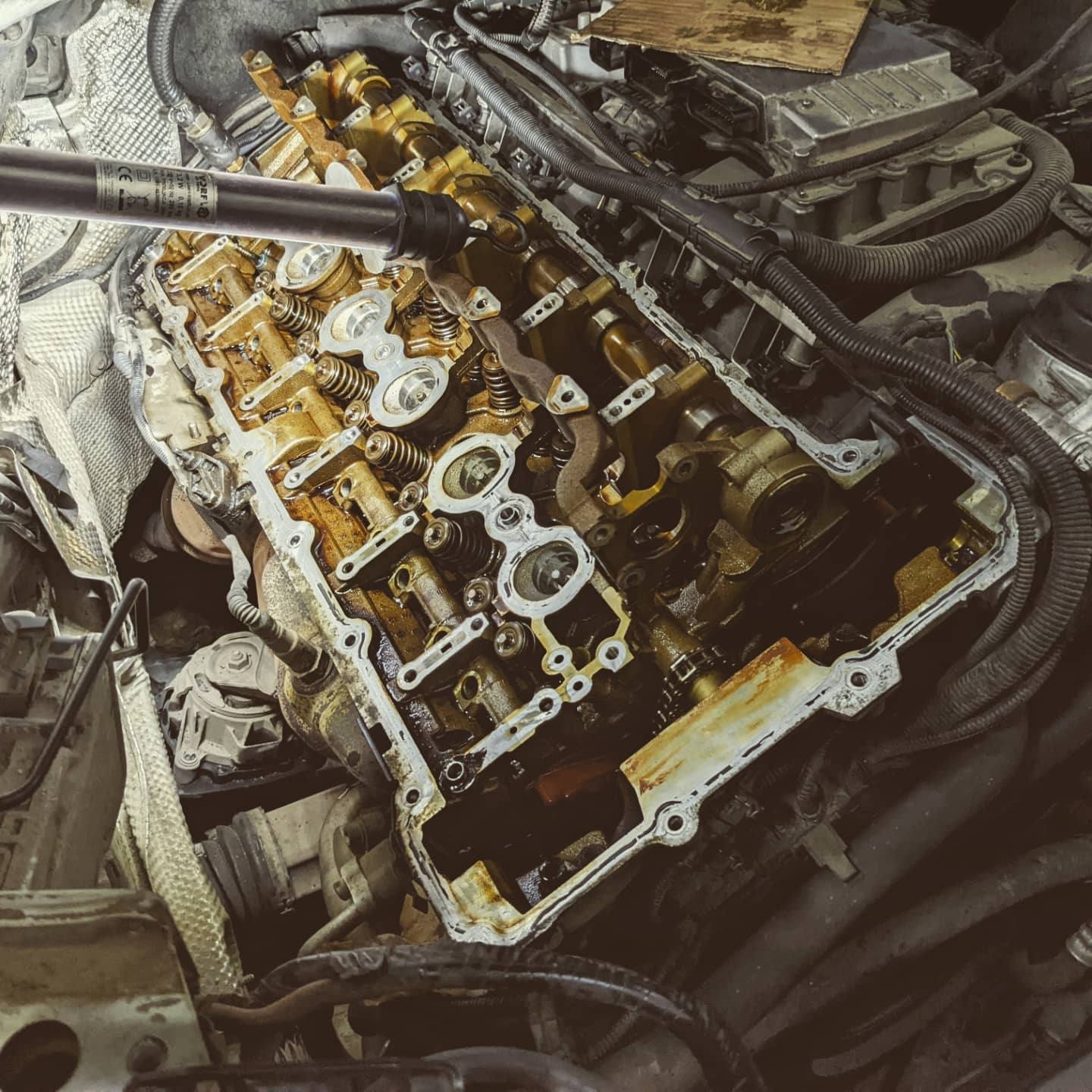
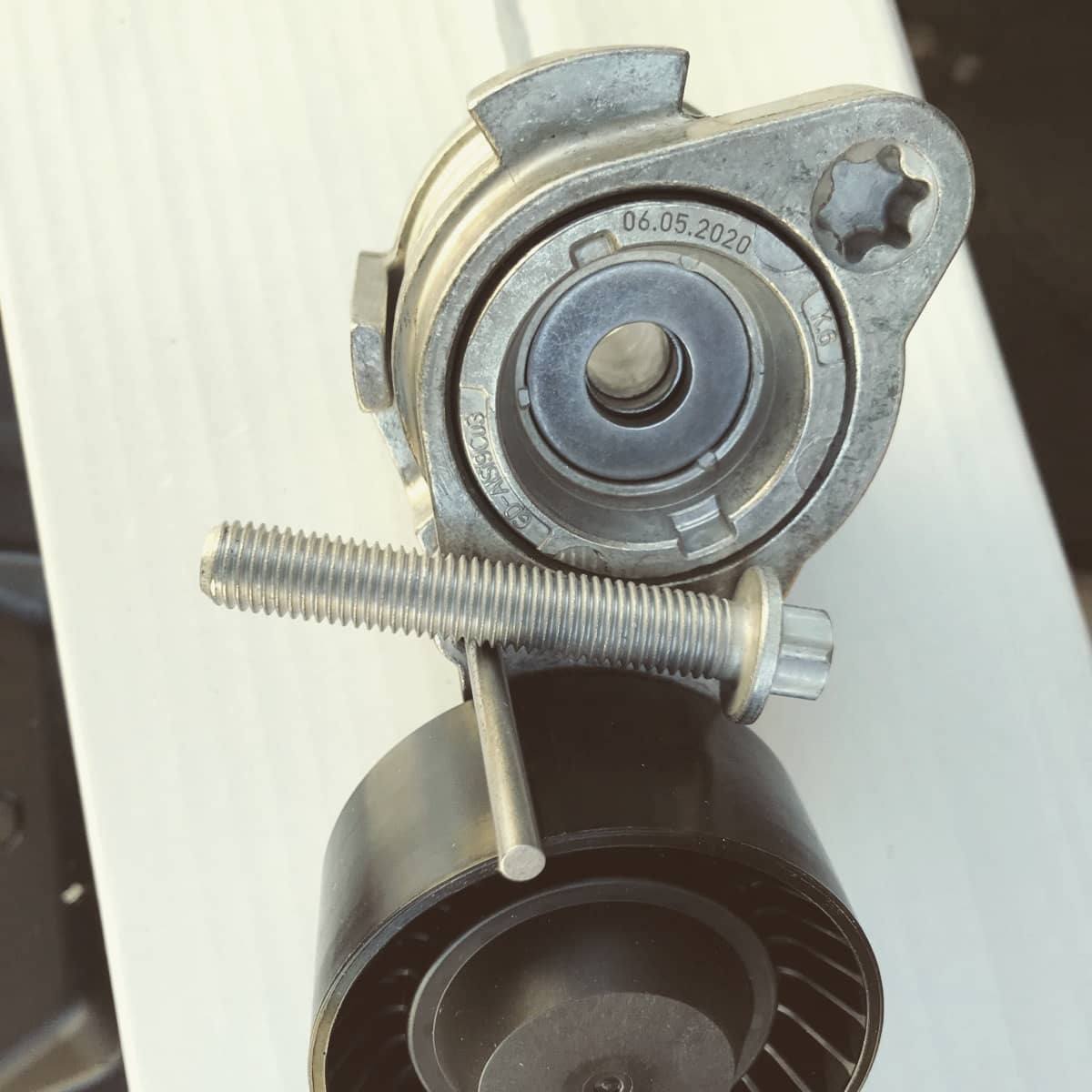
All 24 valve stem seals - the classic weak point of the N52: as they age, the engine burns oil and puffs bluish smoke on start-up. Then the complete timing chain kit, the oil pressure control valve, the belt tensioner bearing - and, of course, oil and filters.
THE RED BUTTON
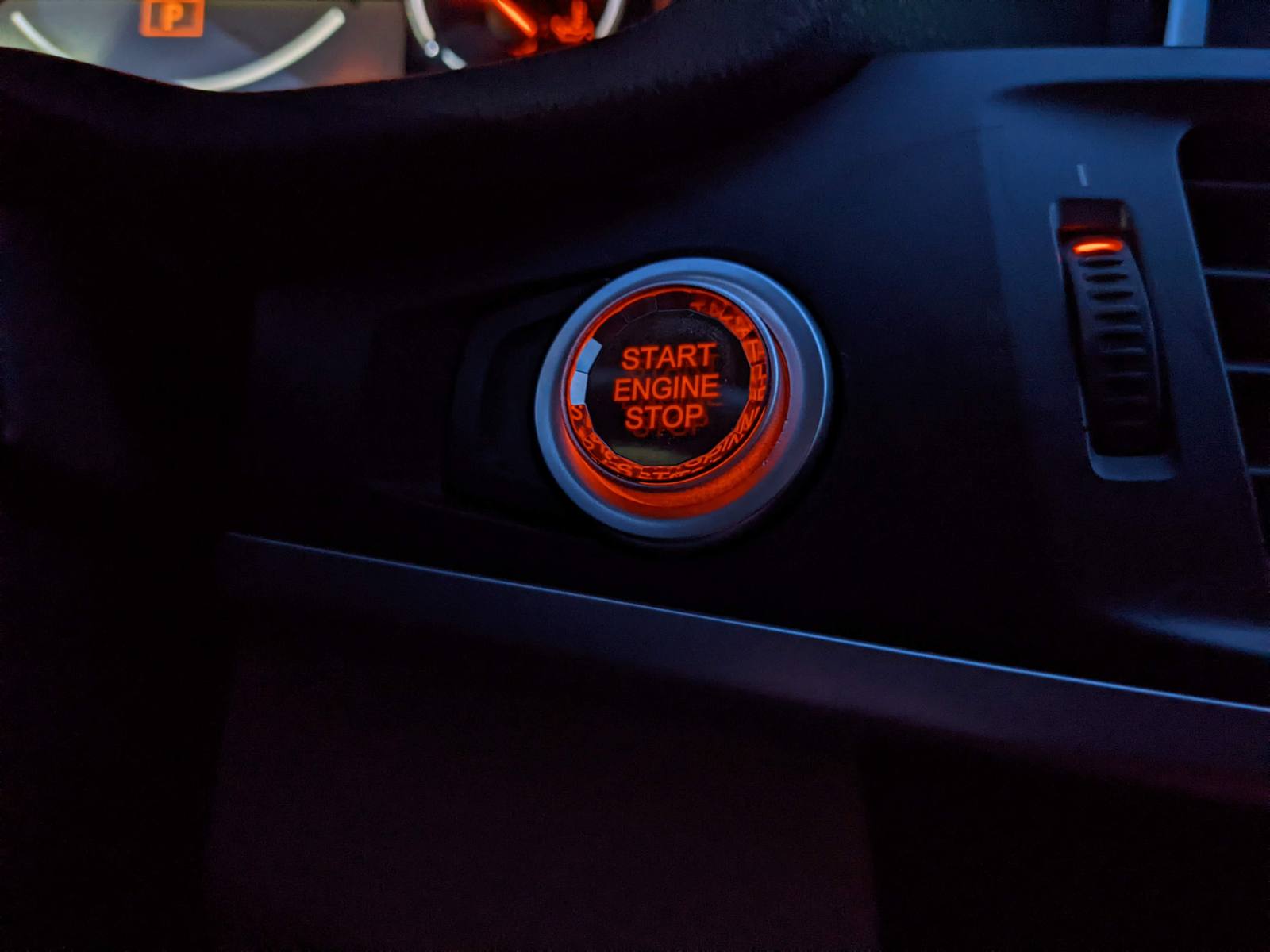
Zero technical arguments. A red start button - and a new starting ritual.
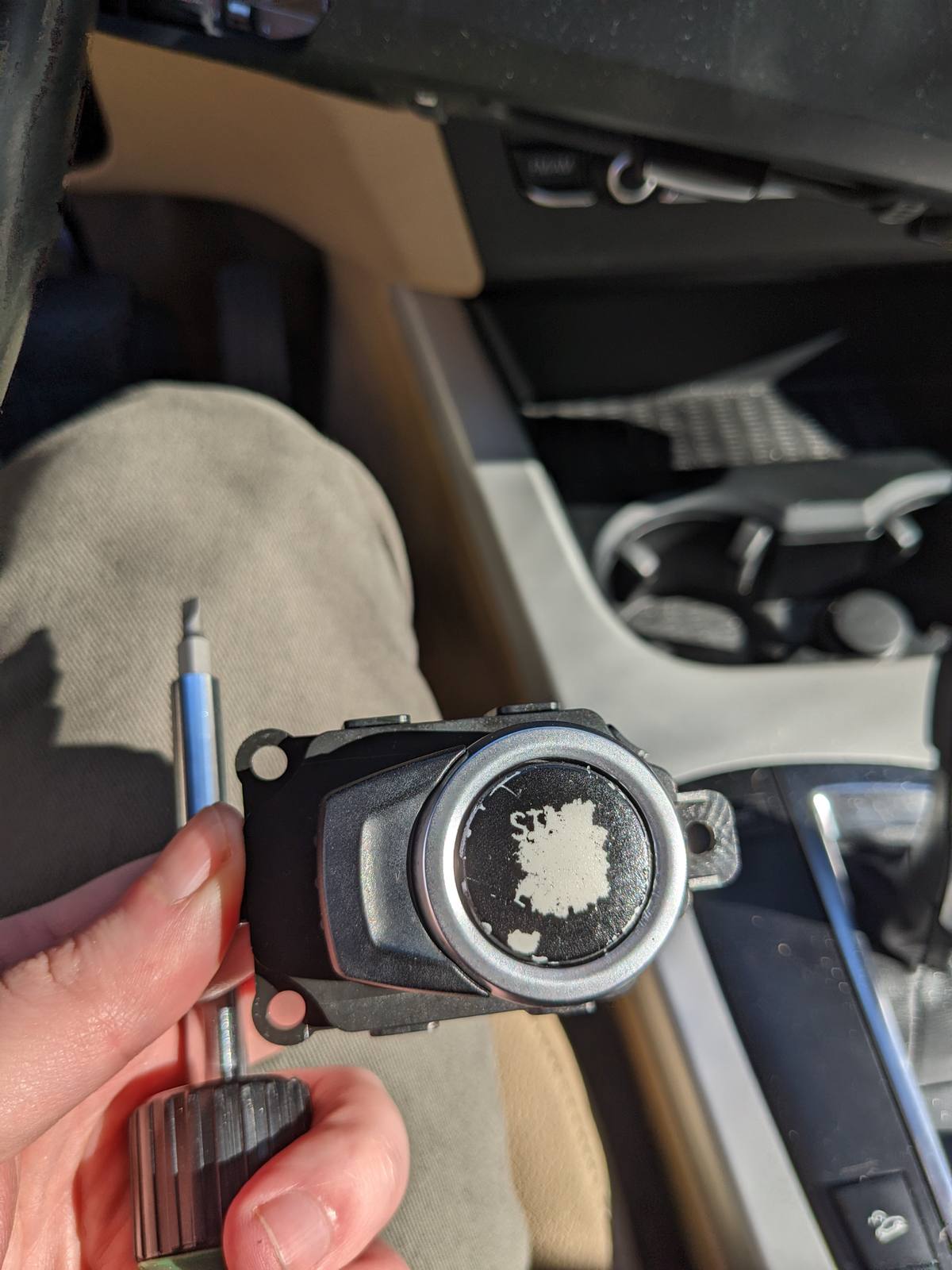
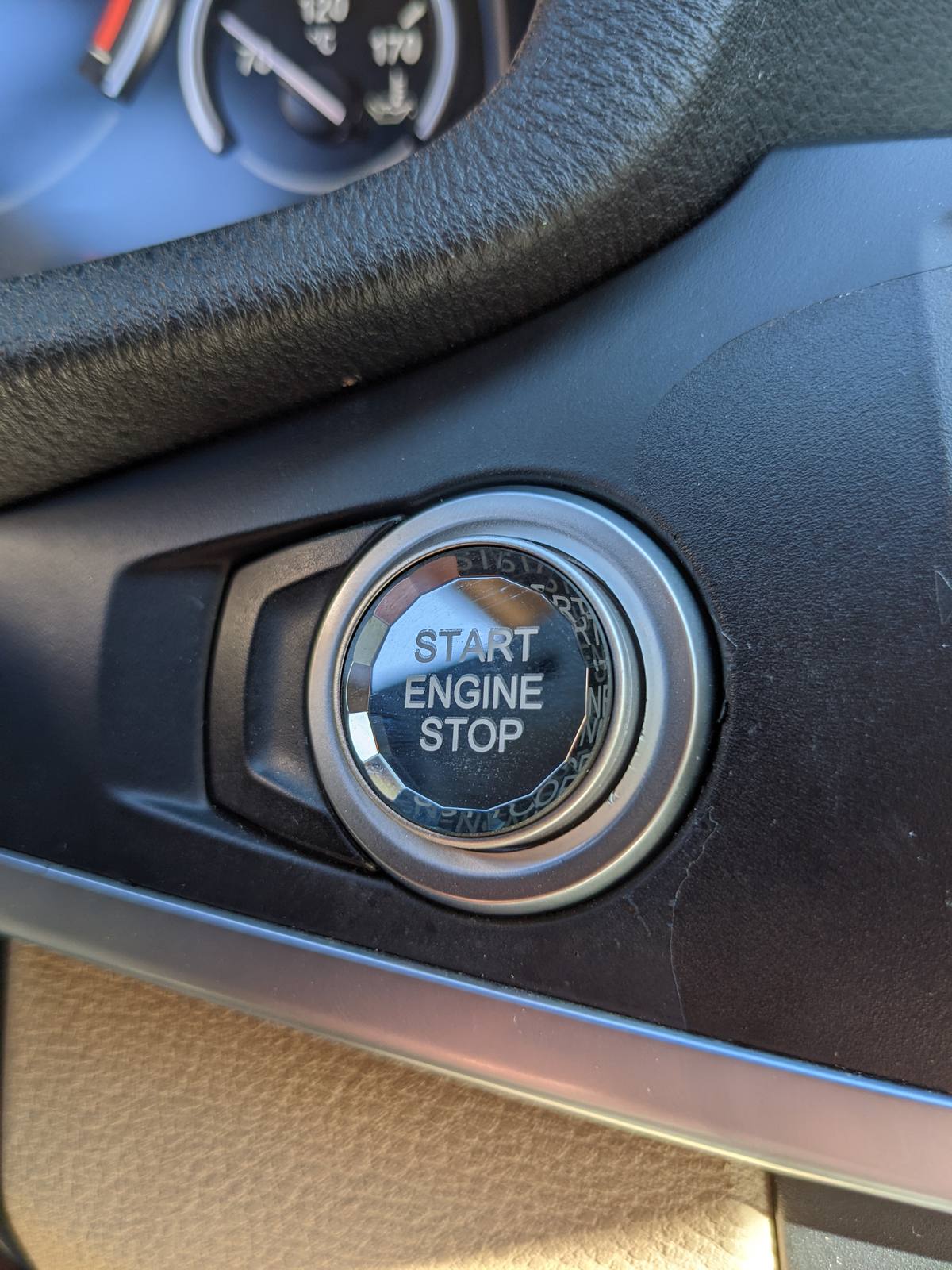
The only modification in the whole dossier without a single technical argument - and that is exactly why it deserves an entry. The silver standard start button became red: the part removed, one afternoon, a new starting ritual.
THE PORTRAIT
Nine months in the garage: four angles, a July evening and the car as it should be remembered.
A July evening, a clean car park and the car nine months after the purchase - retrofits done, engine sorted, the original beige interior. The reference portrait of the dossier: this is how it looked when everything was in its place.
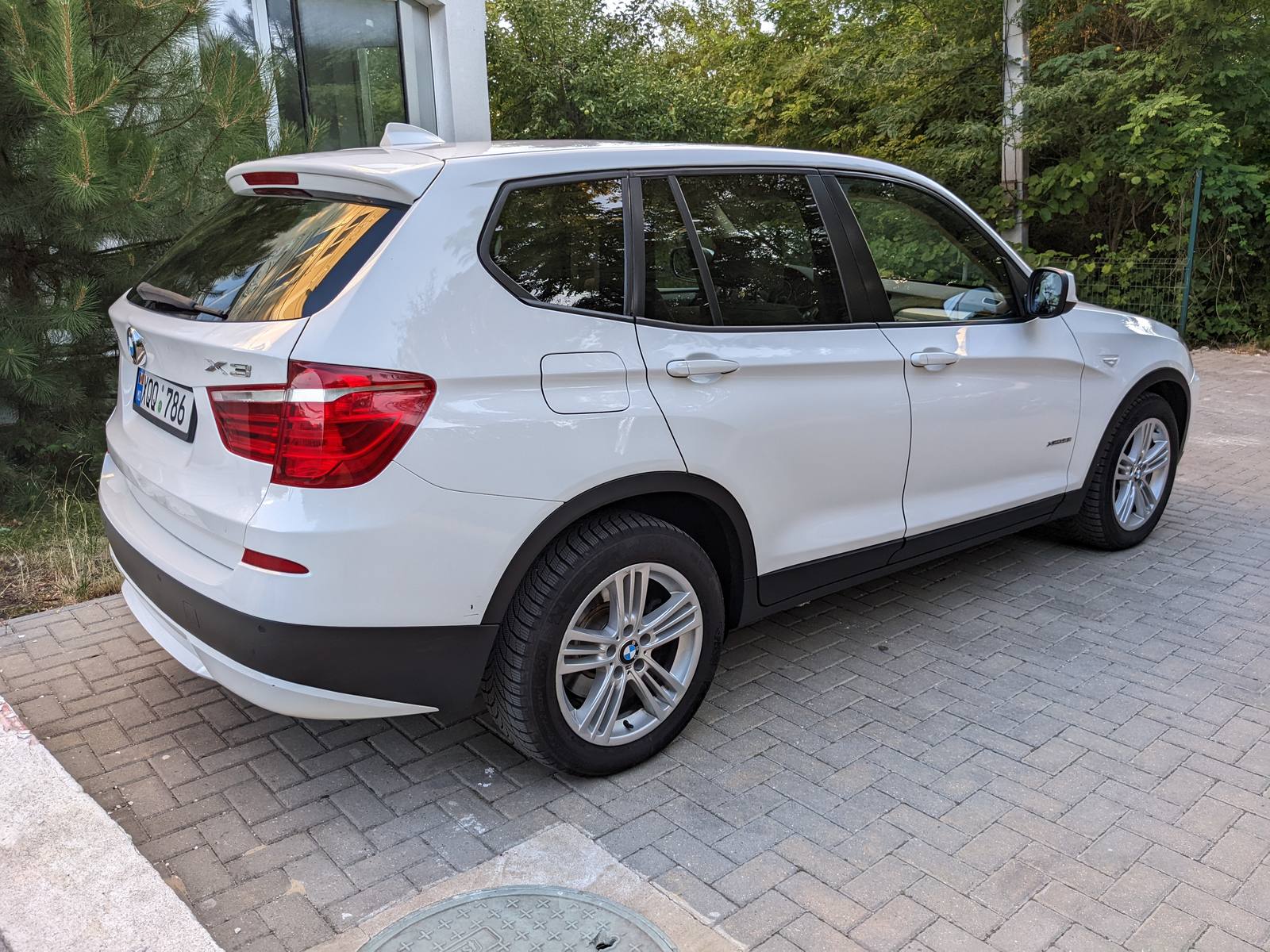
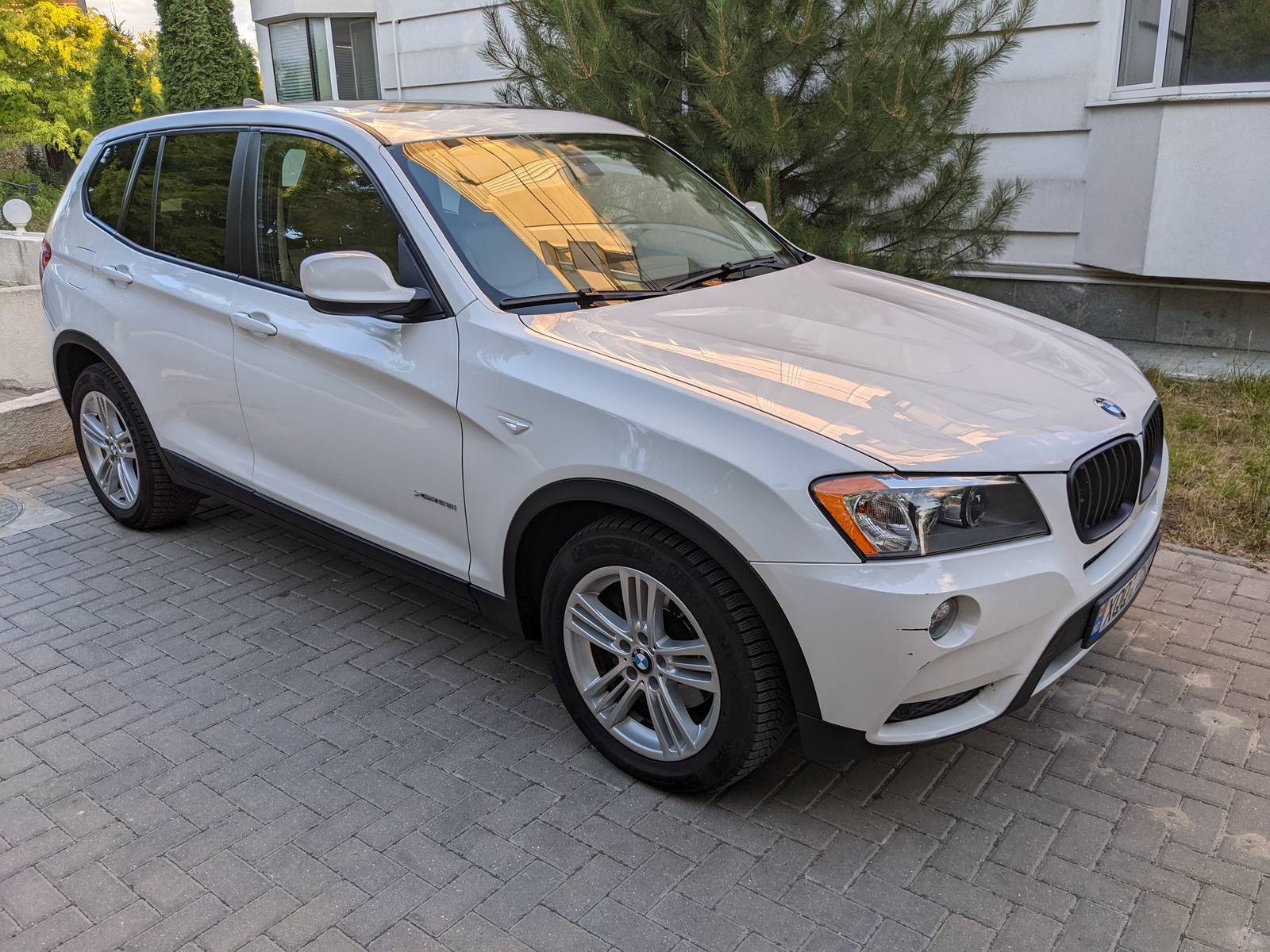
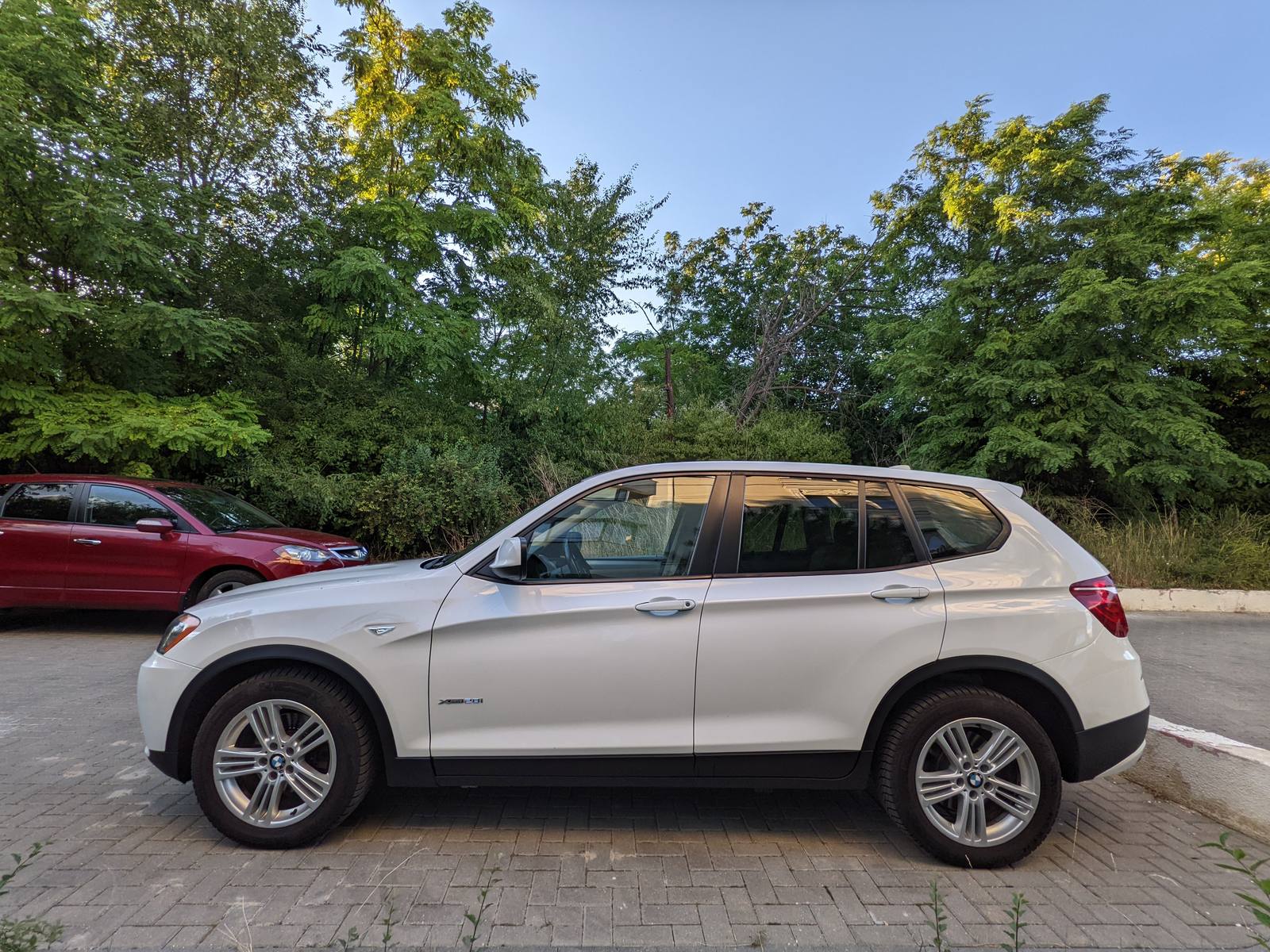
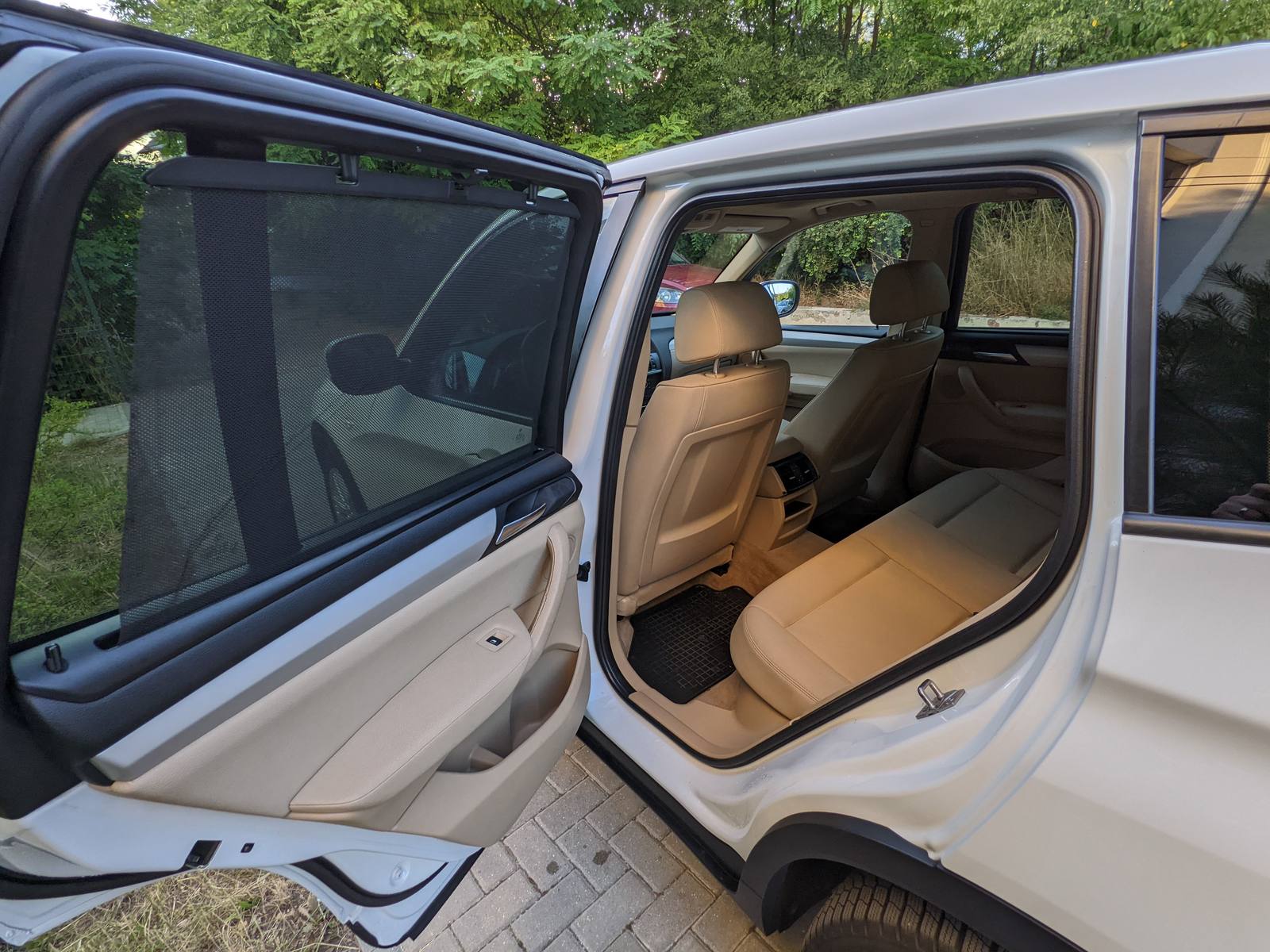
Chișinău · 12.07.22 · nine months in the garage
THE STARTER
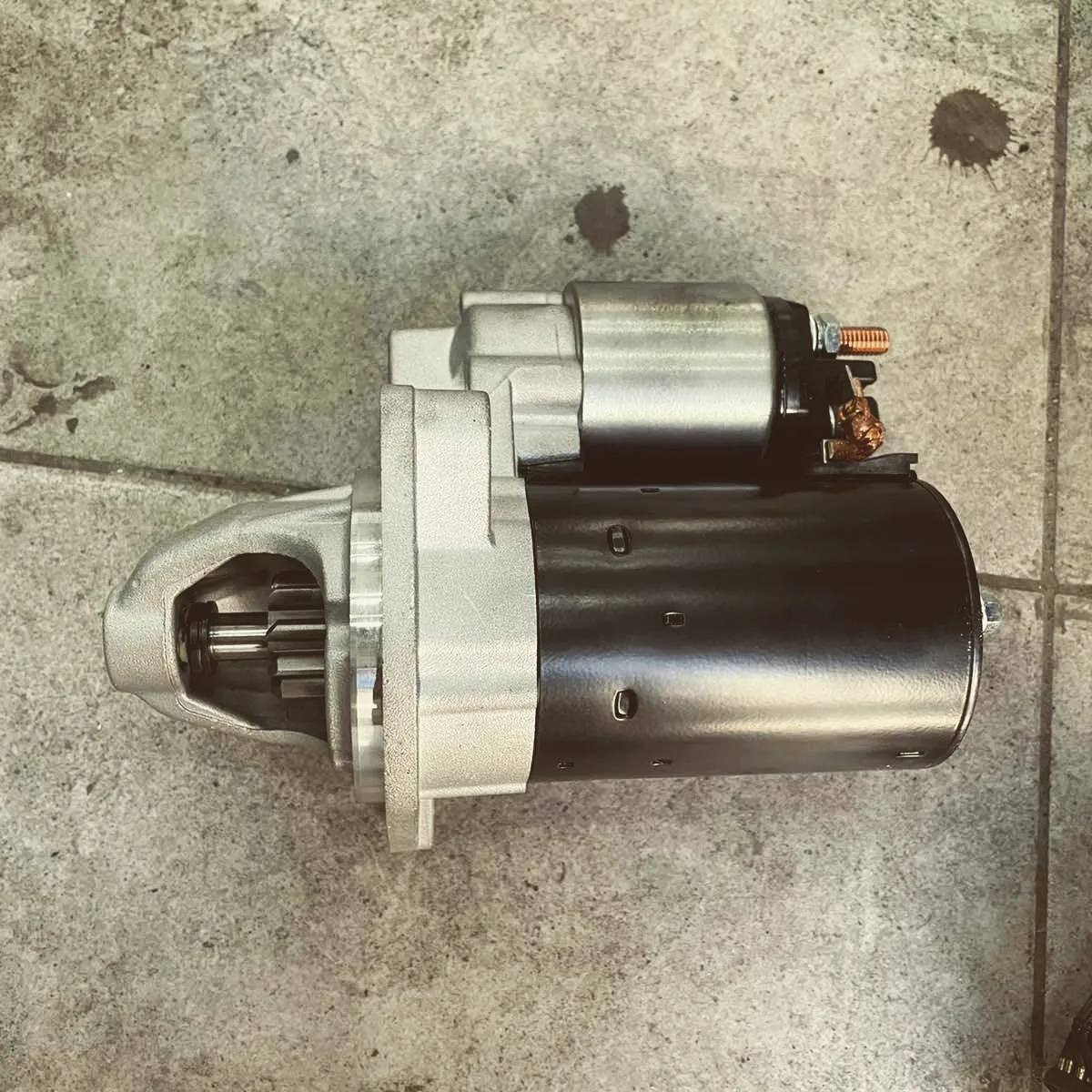
The only time in four years it did not start. The starter - and nothing else.
Update on the X3: the starter simply died. The only time in four years the car did not start - and it was the starter, not the engine, not the battery, not the electronics. I replaced it with a new one and, while at it, preventively: a new cooling hose, new coolant, engine oil and every filter.
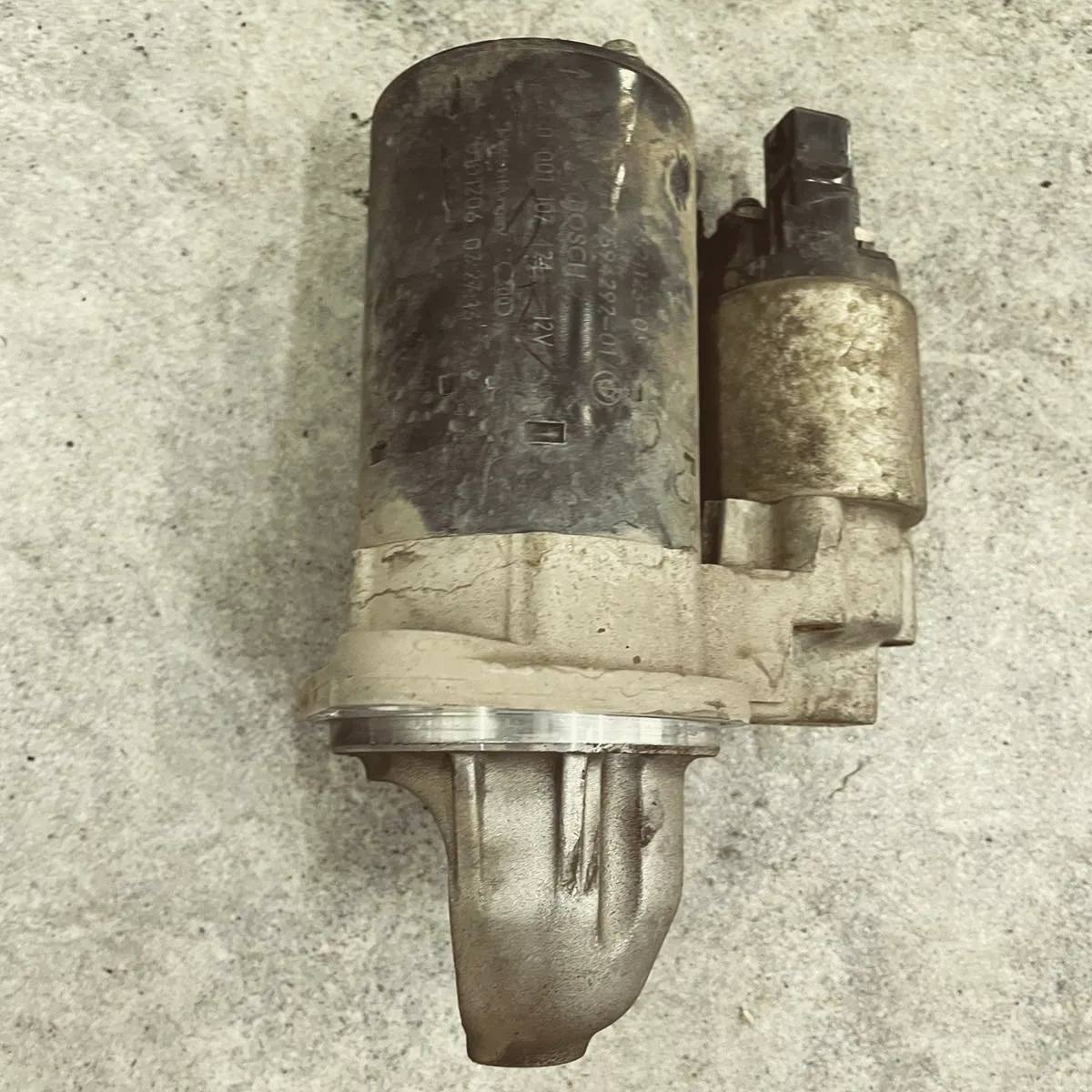
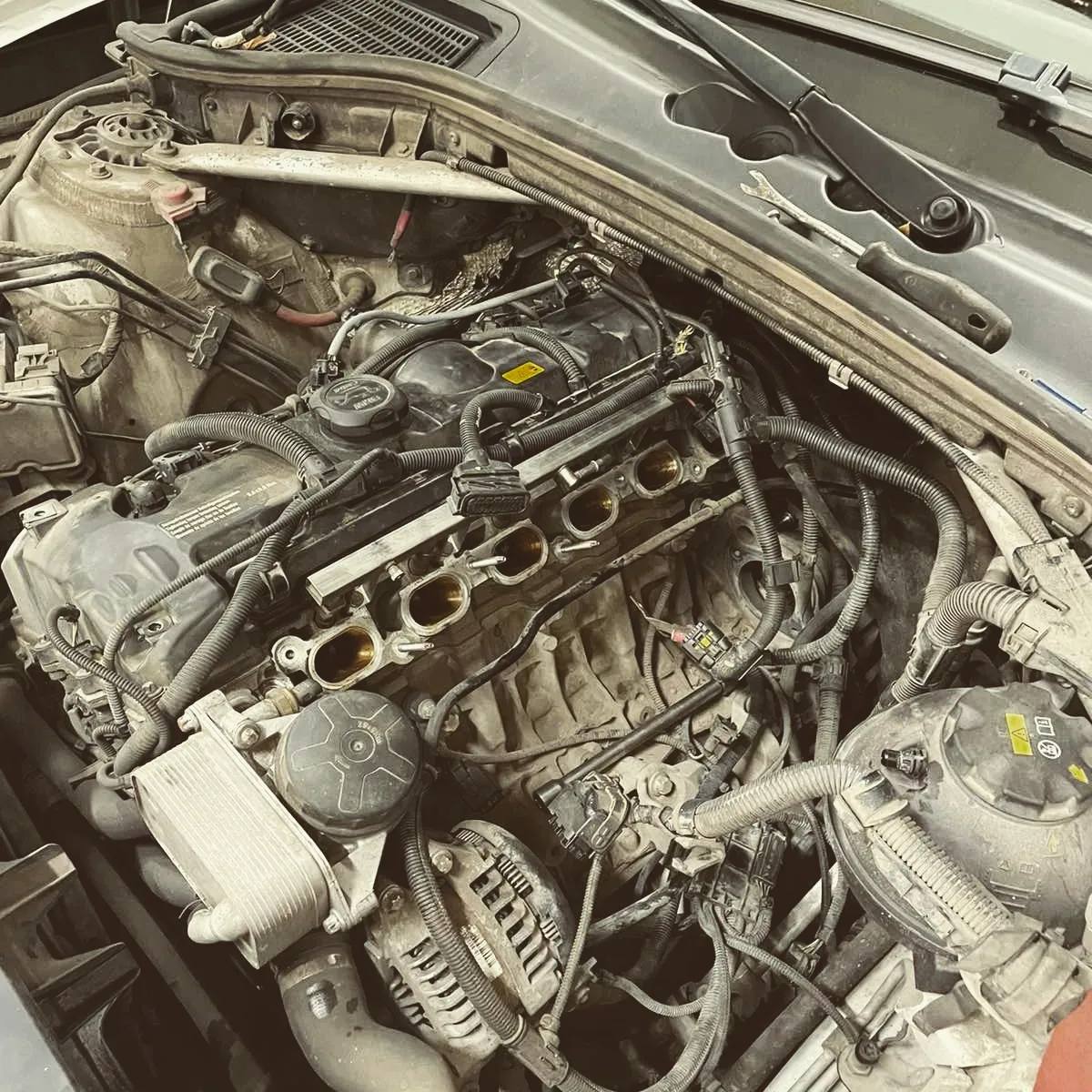
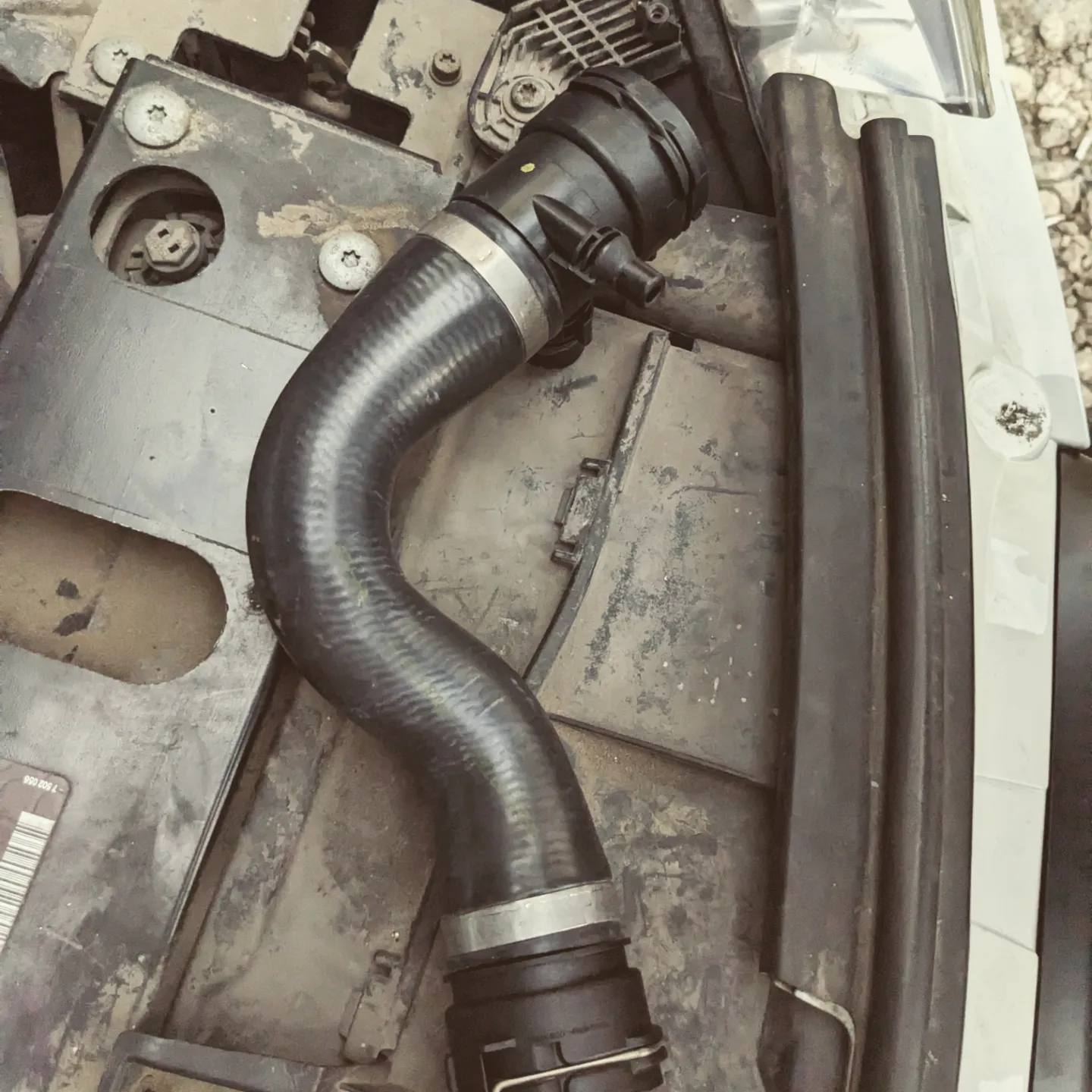
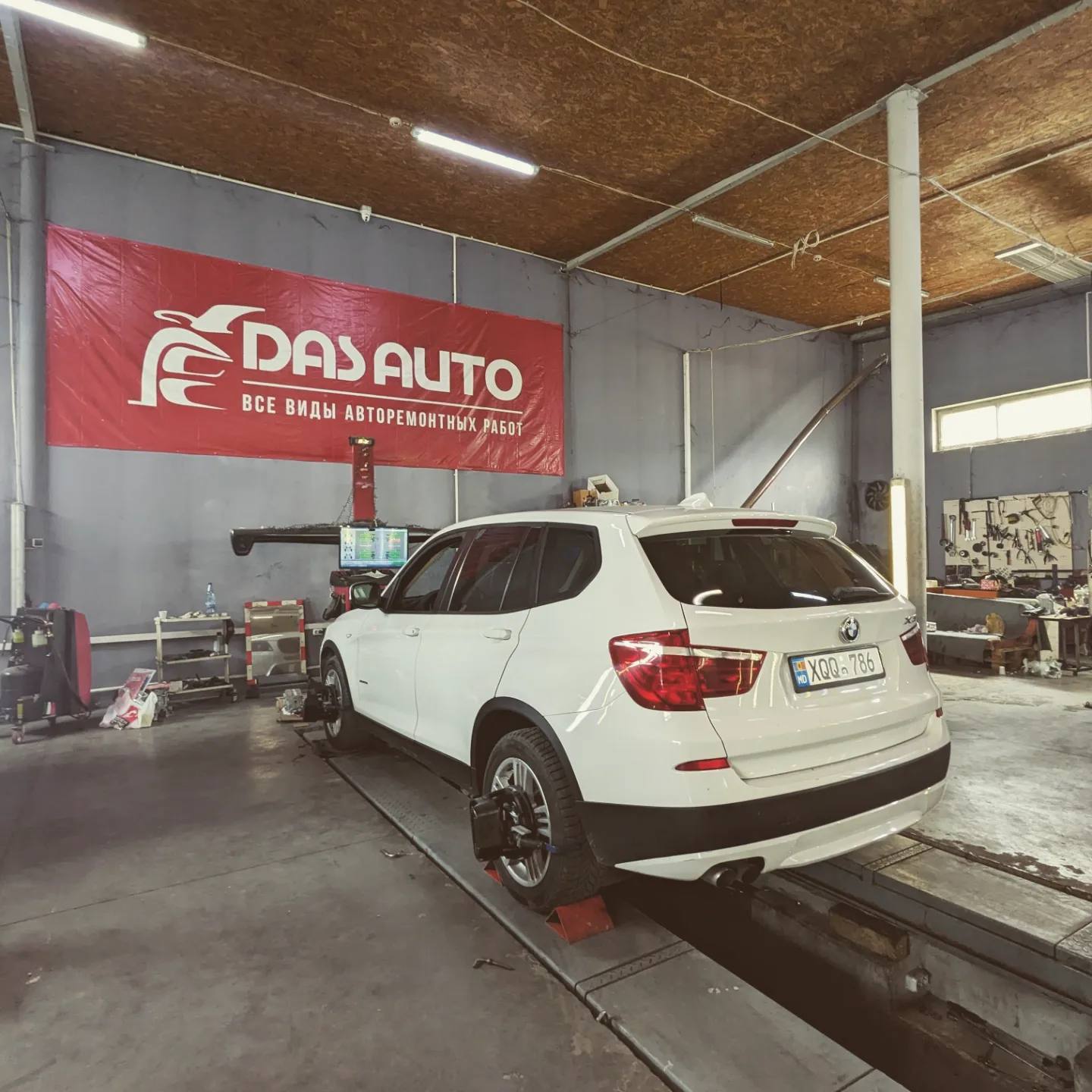
A bonus at the same stop: alignment at DAS Auto - as after any serious job, the steering checked.
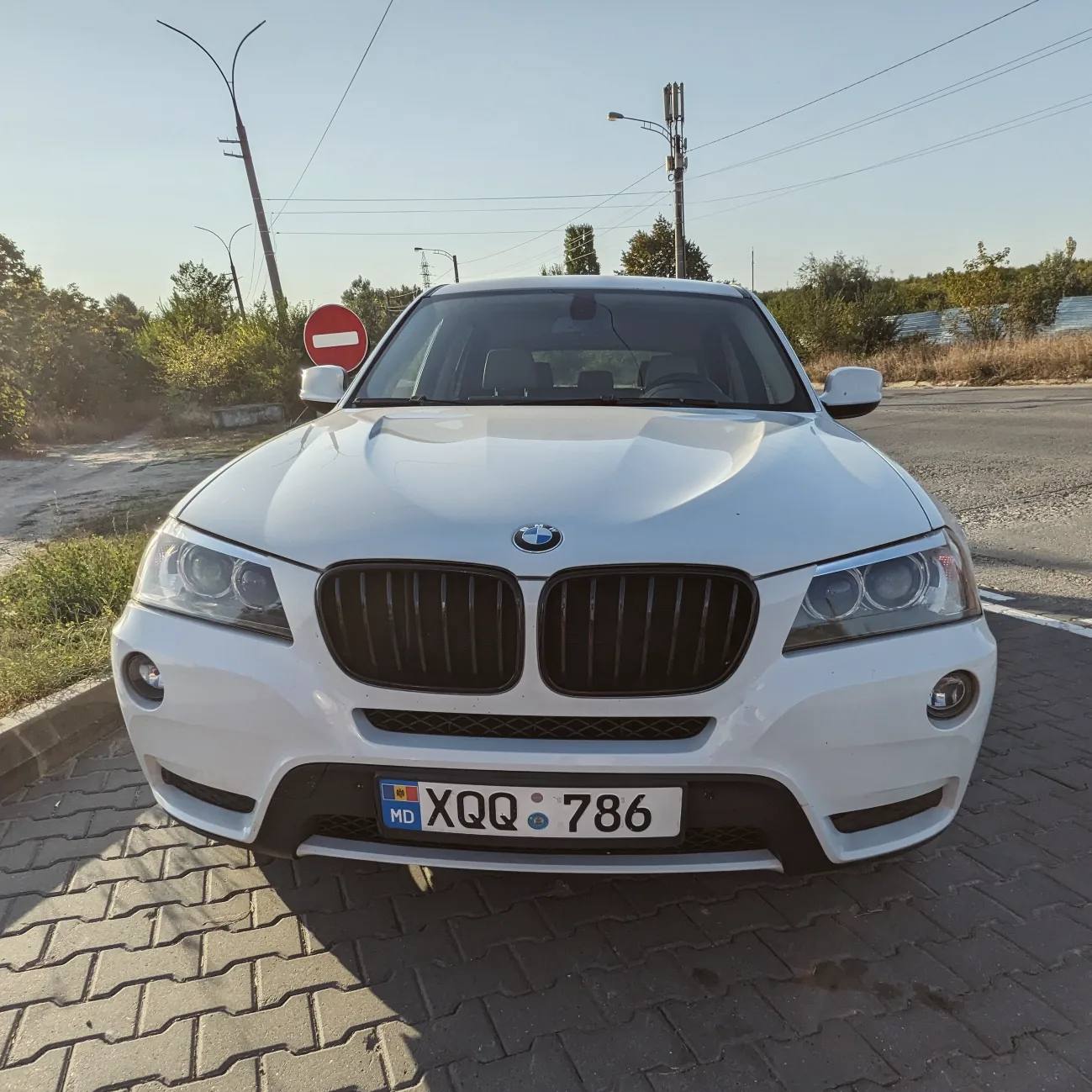
THE SMALL IMPROVEMENTS
Wood, black grilles, LCI console, European mirror - eight small things before a long trip.
A wave of small things before a long trip. The list, as I posted it then:
Wood trims instead of the grey plastic ones. New glossy black grilles. The LCI cupholder and centre air vents panel - again with bimmercoding's help. The climate panel swapped for a proper one without defects, from an acquaintance. The left fog light replaced. The European driver's side mirror - yes, here too, two years before the Polestar. New wipers. And the original windshield polished - no big expectations, I just wanted to give it a chance before replacing it.
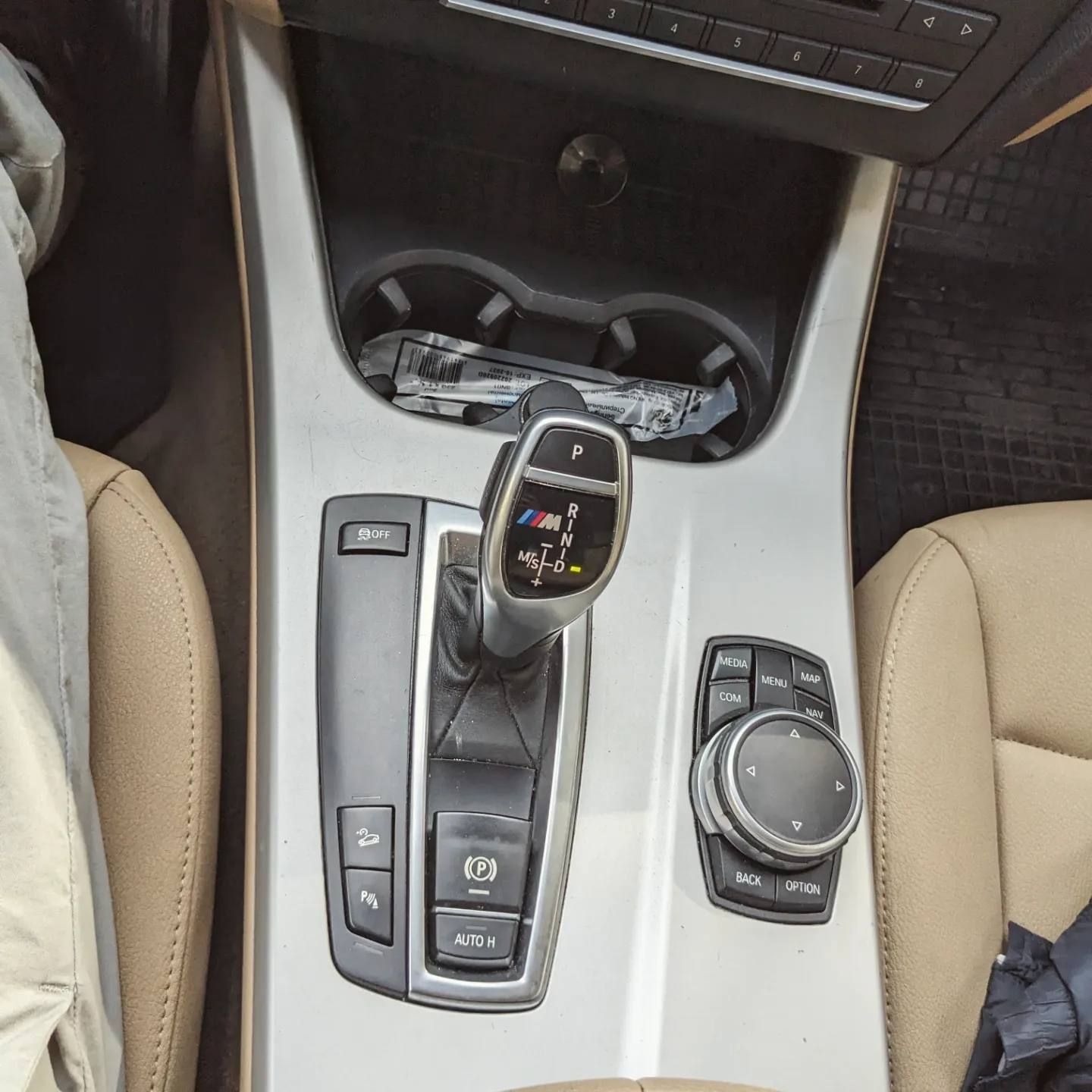
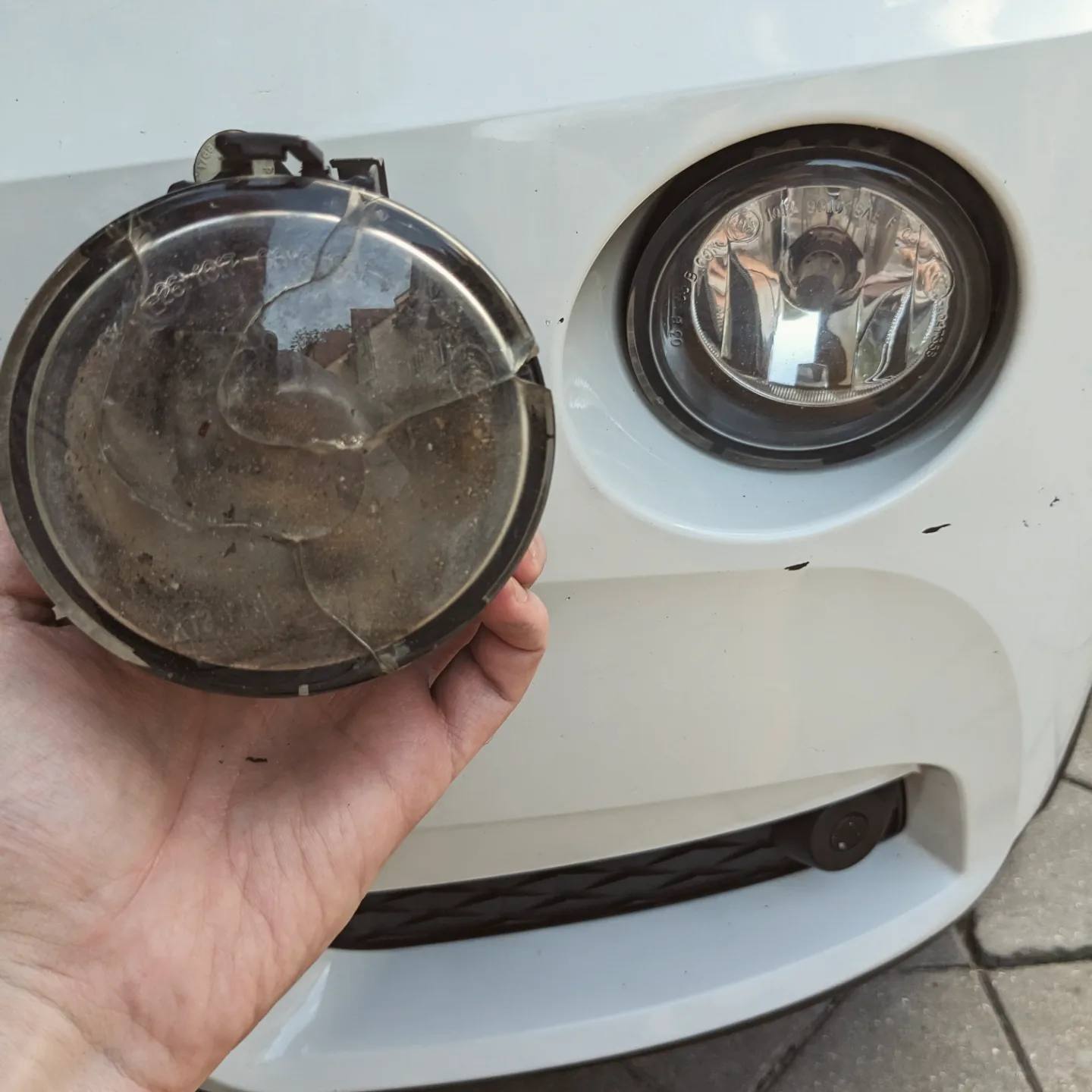
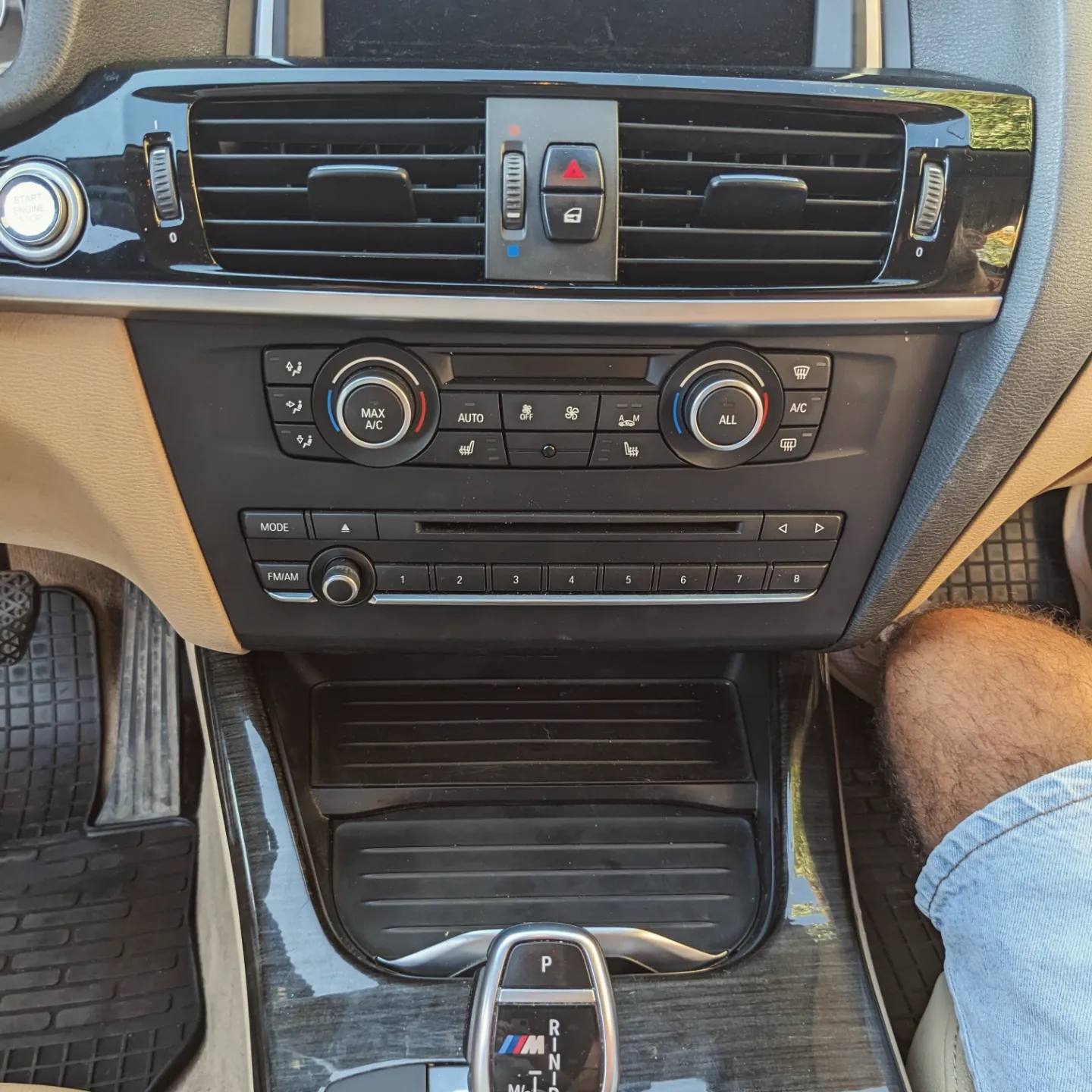
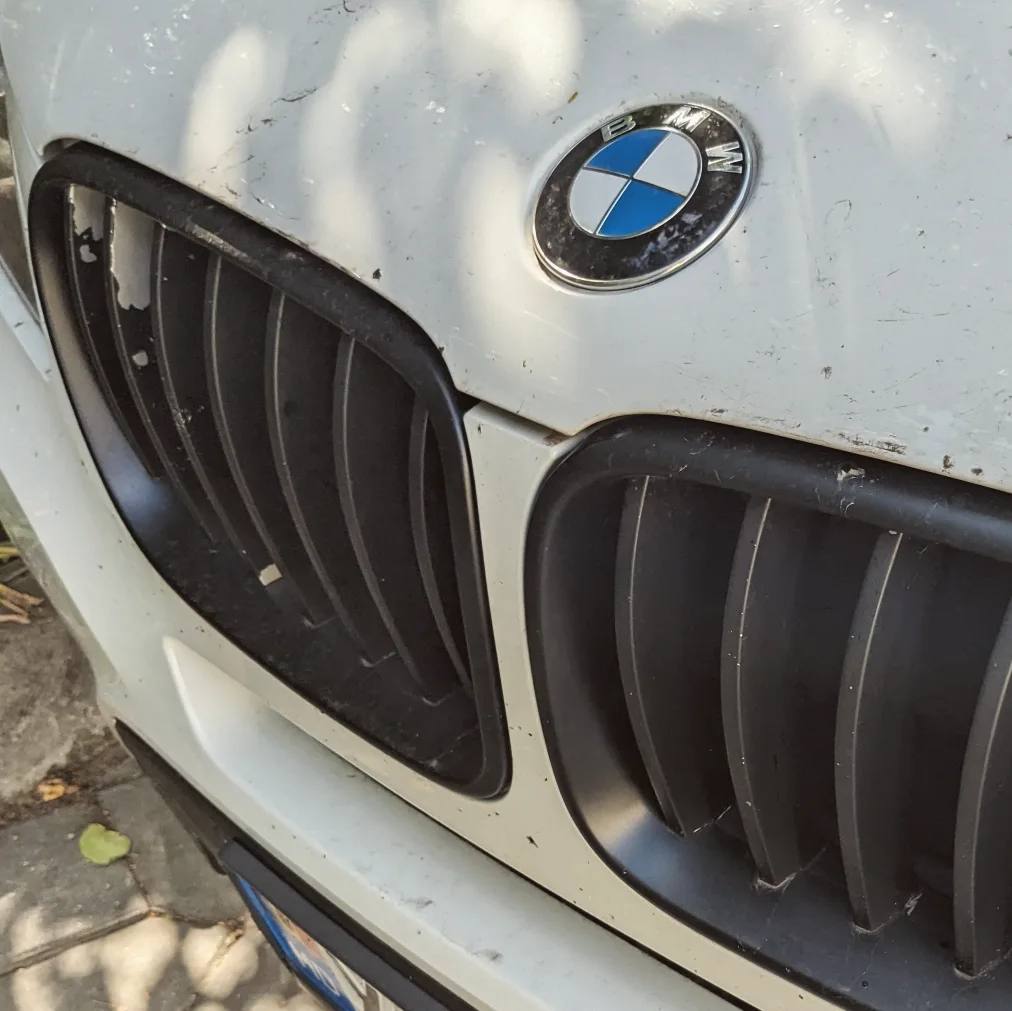
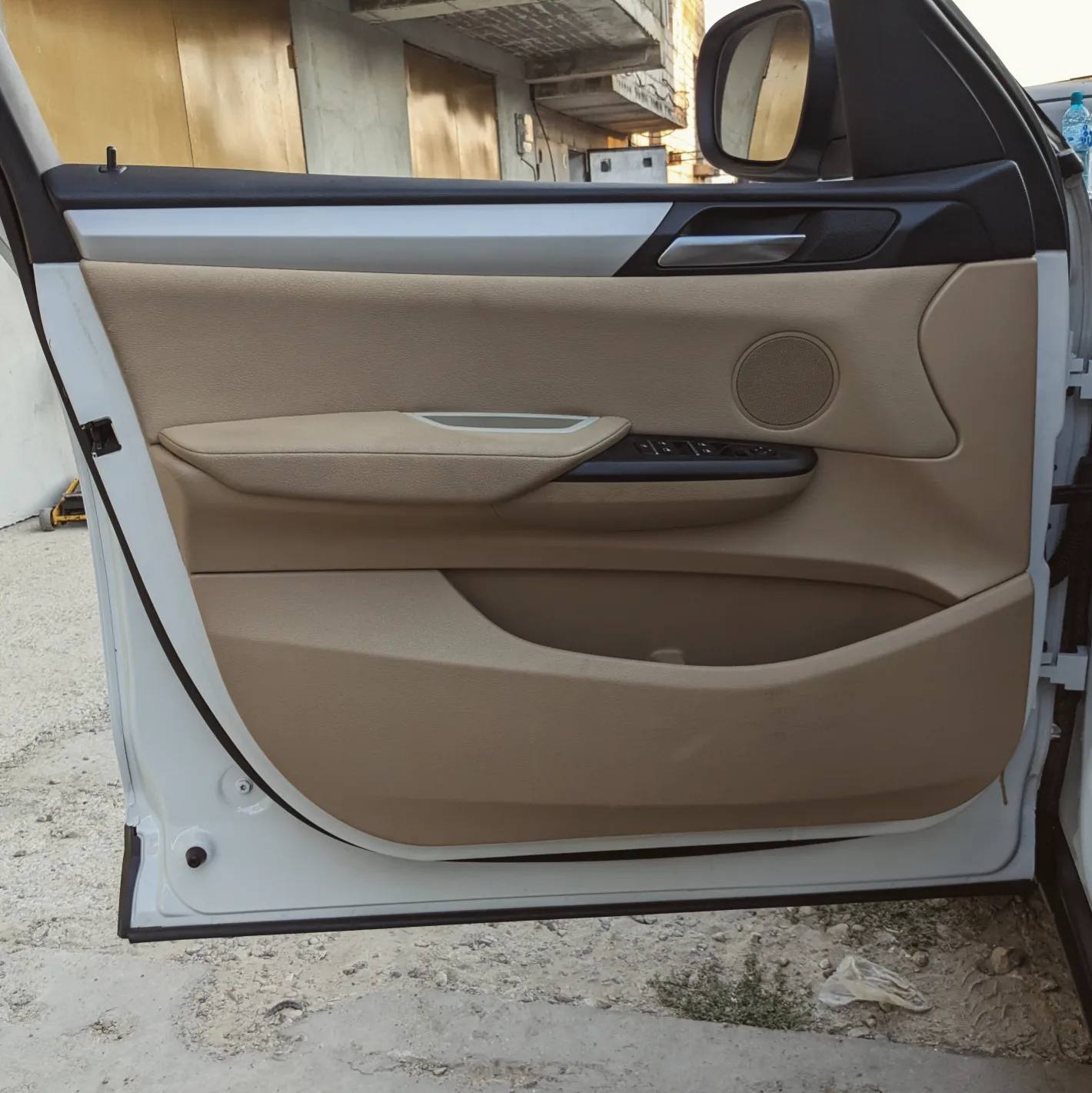
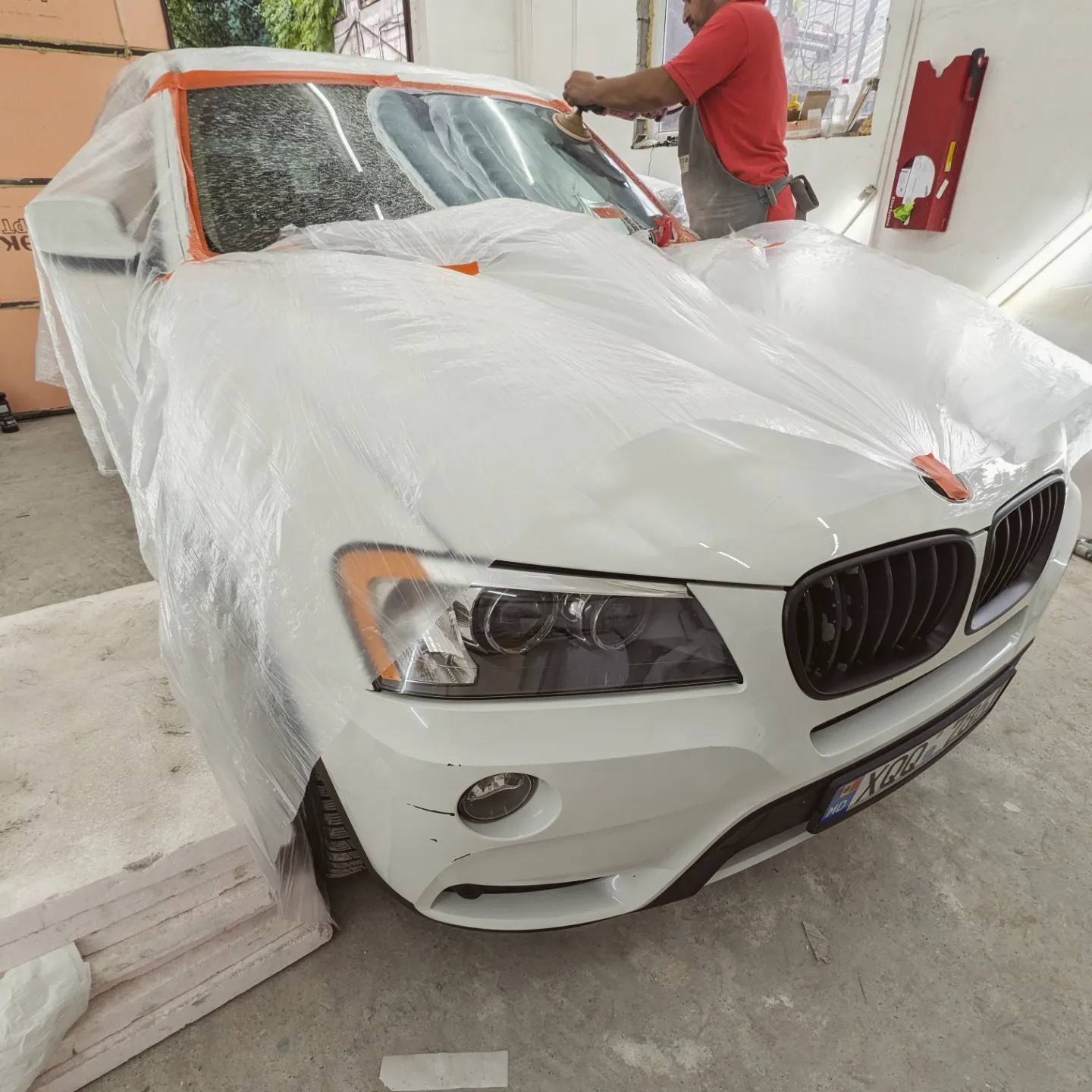
Wood · grilles · LCI console · climate · fog light · windshield
The post ended with the invitation: JC, DS, EC and a guest - we are ready for a long weekend in Thassos. But first, a proper wash.
See also: Polestar 2 · 28.08.26 · The mirror - the European glass, second time around
THASSOS
October on the island: ferry, marble, olives and an X3 that complained about nothing.
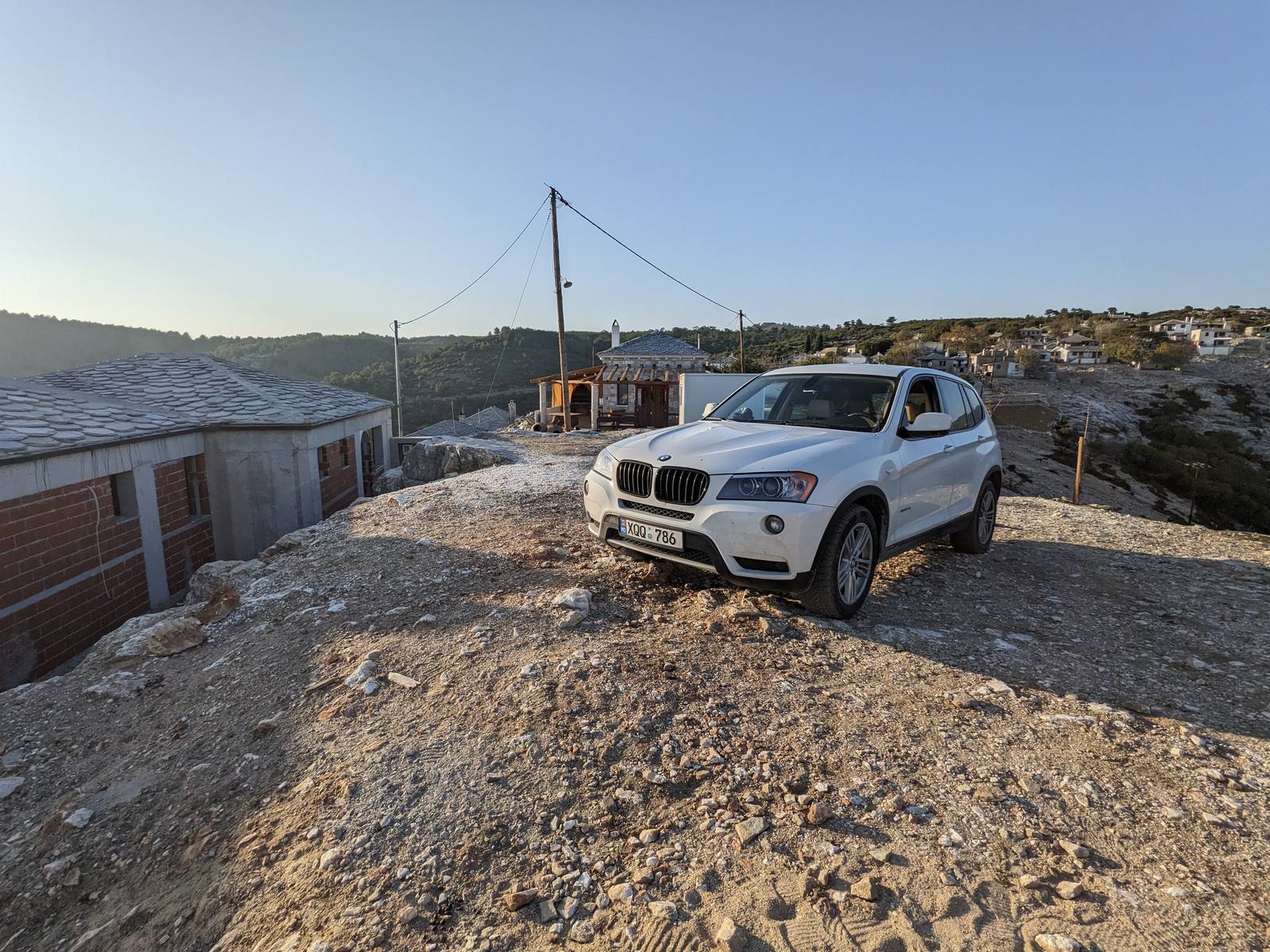
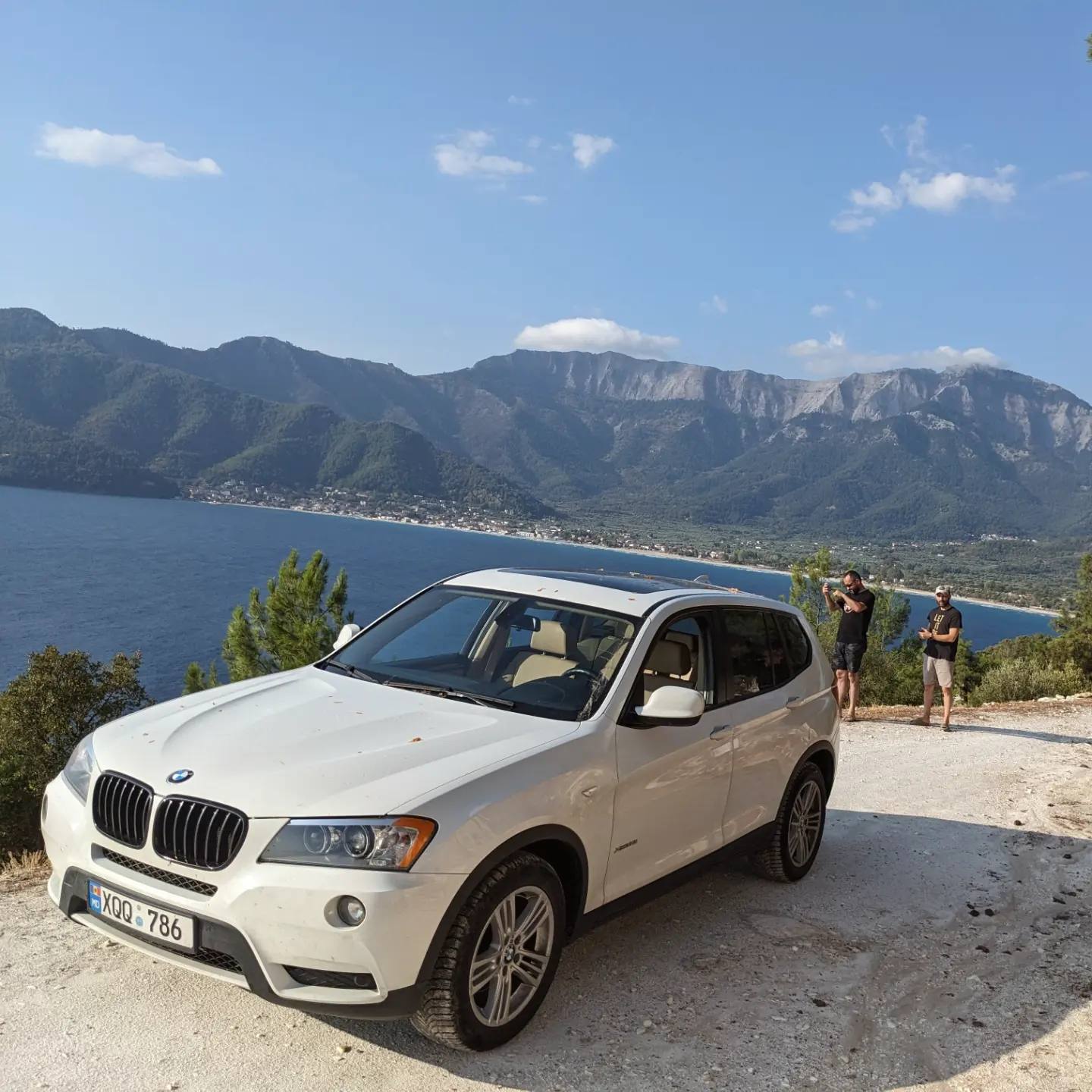
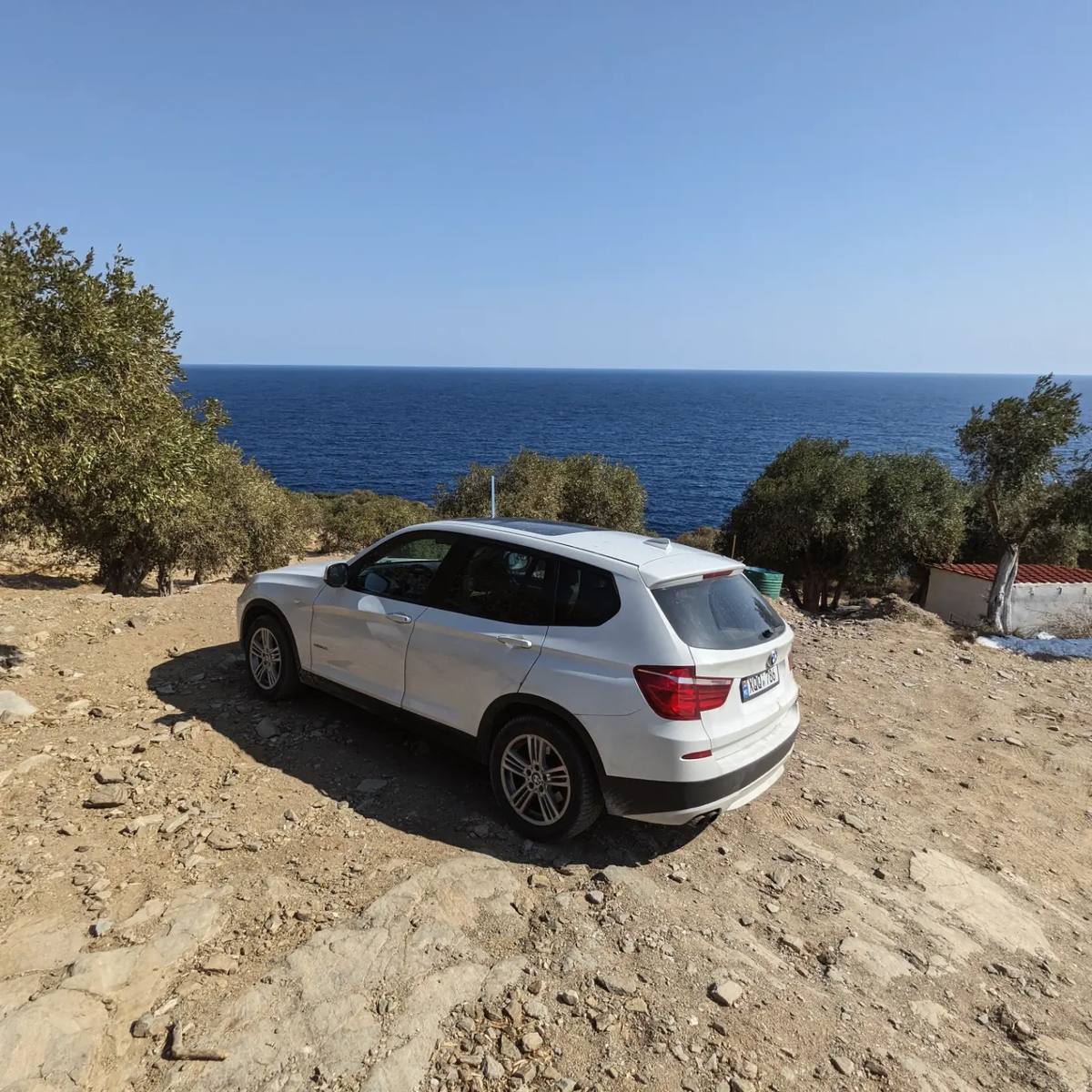
We made it to Thassos - in October, when the island is yours: fewer people, perfect weather, empty coastal roads. Four people, the luggage, and an X3 that complained about nothing: not the marble quarry, not the dirt roads through the olive groves, not the ferry.
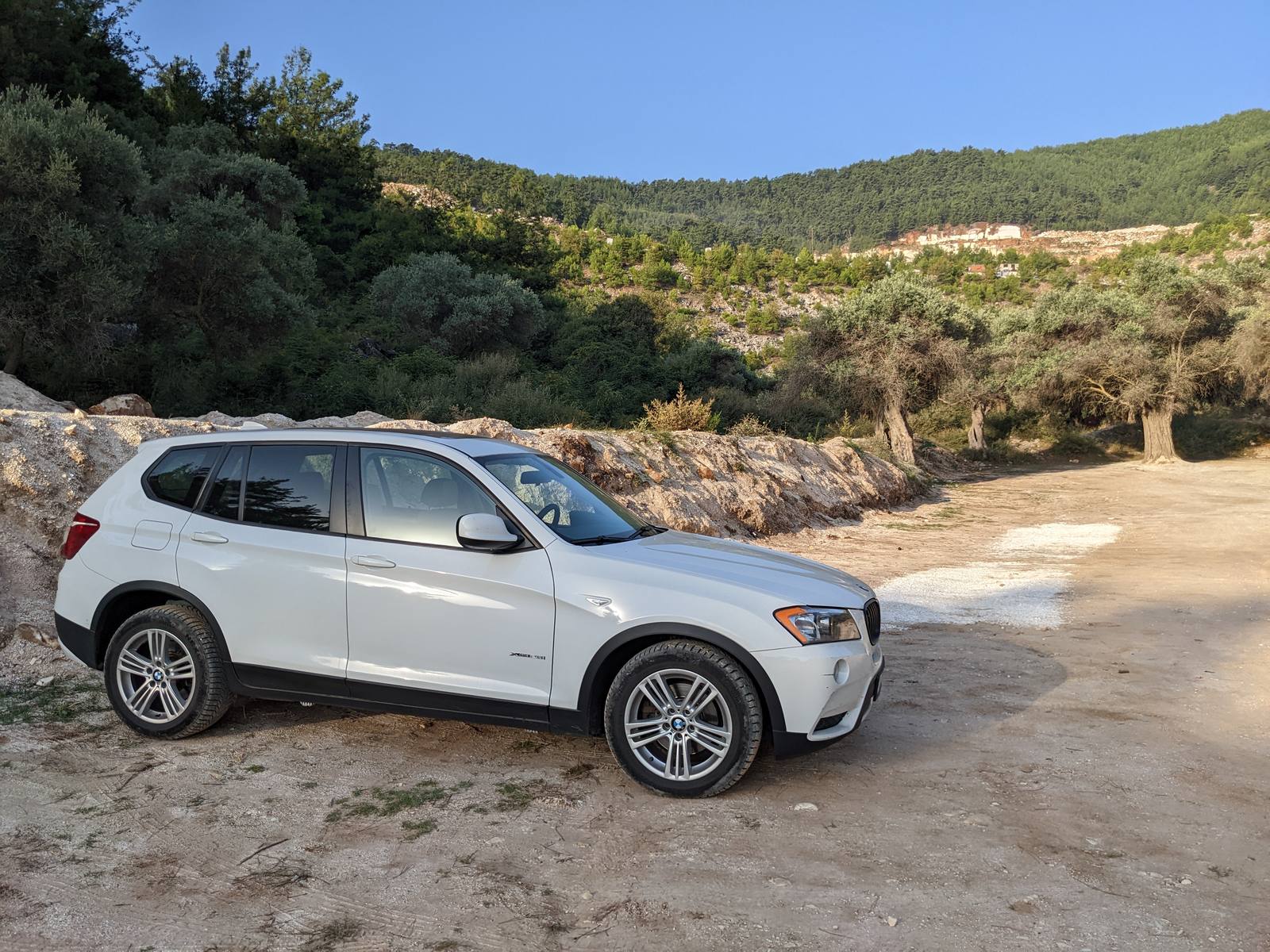
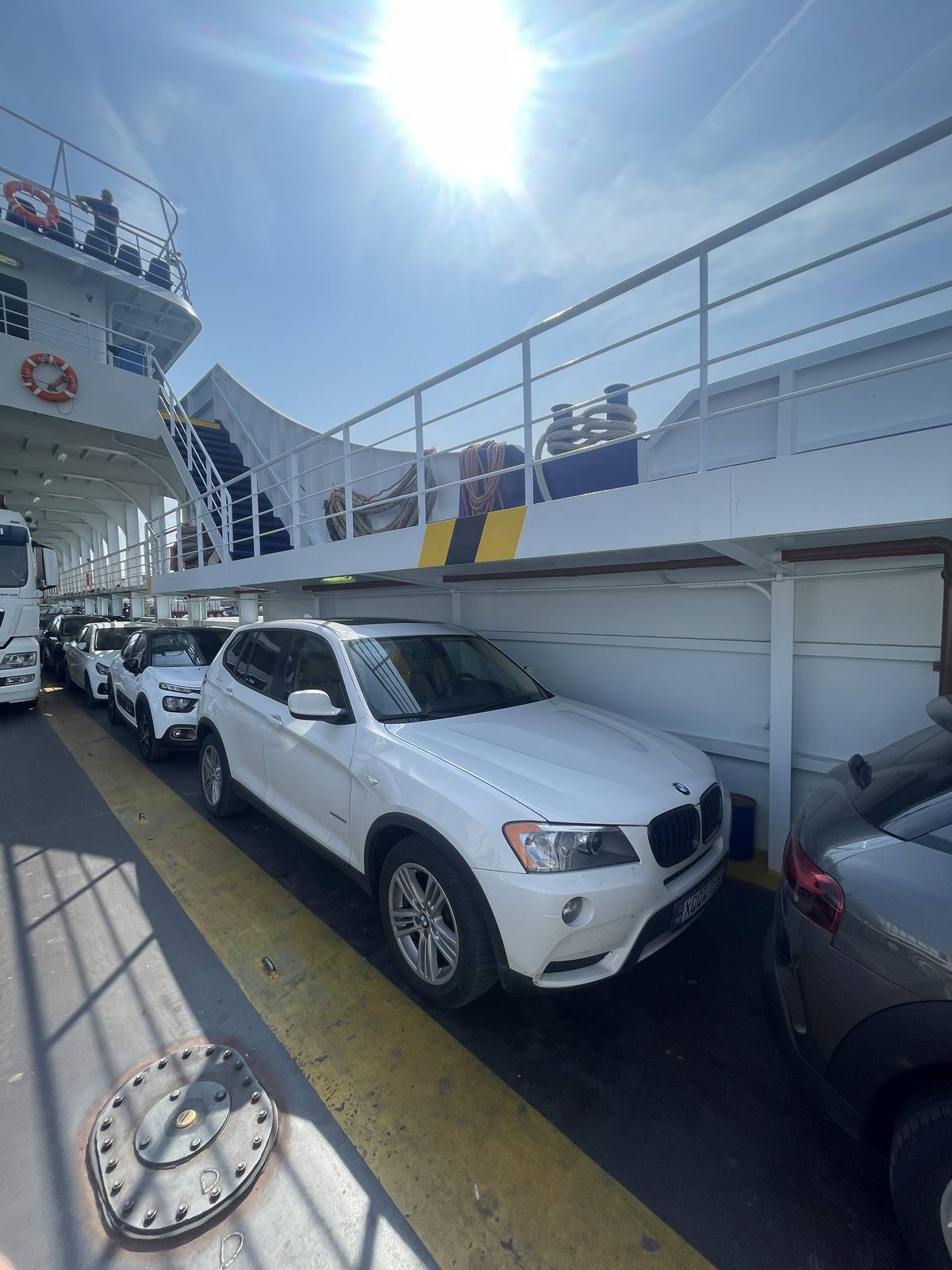
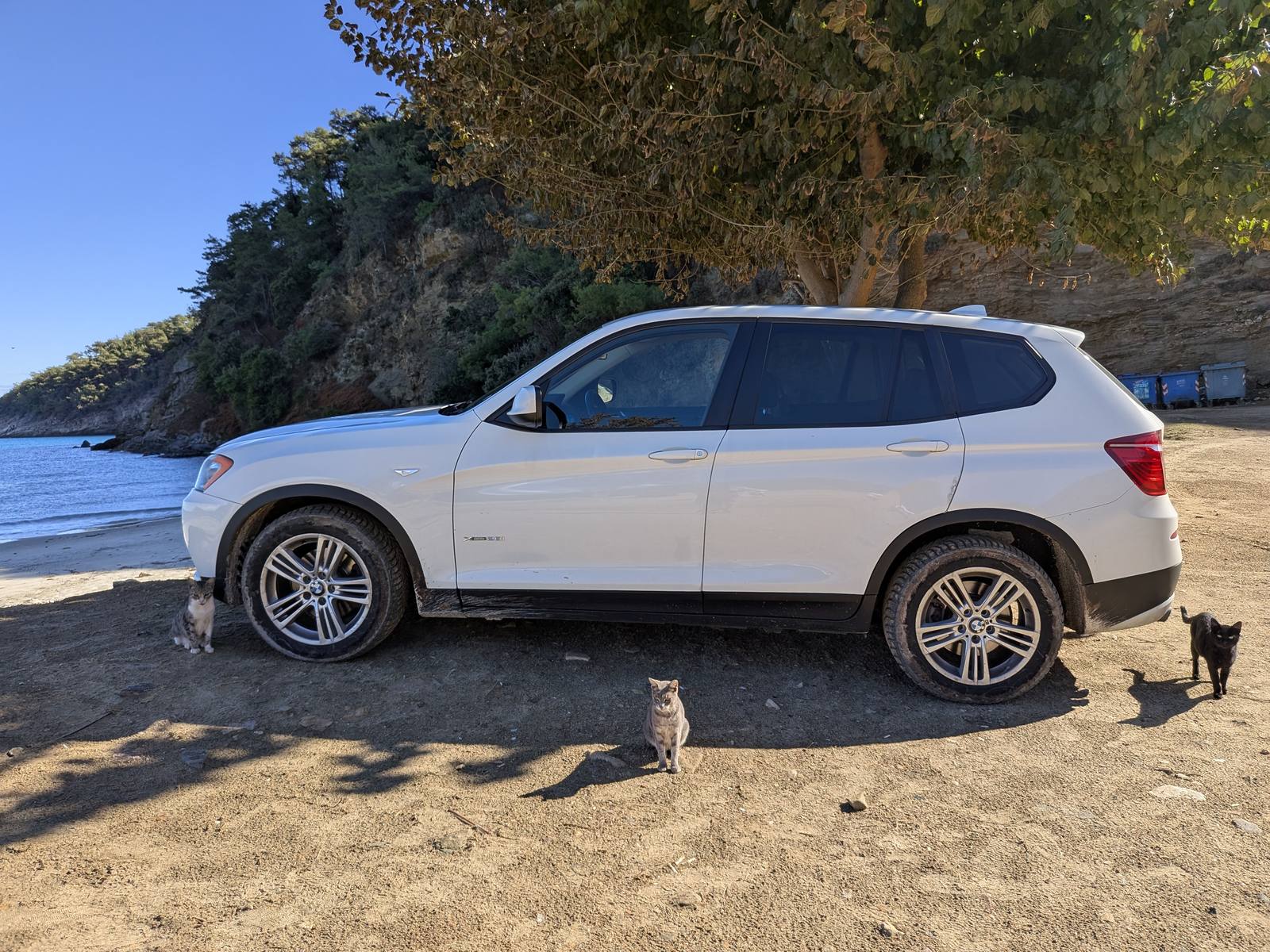
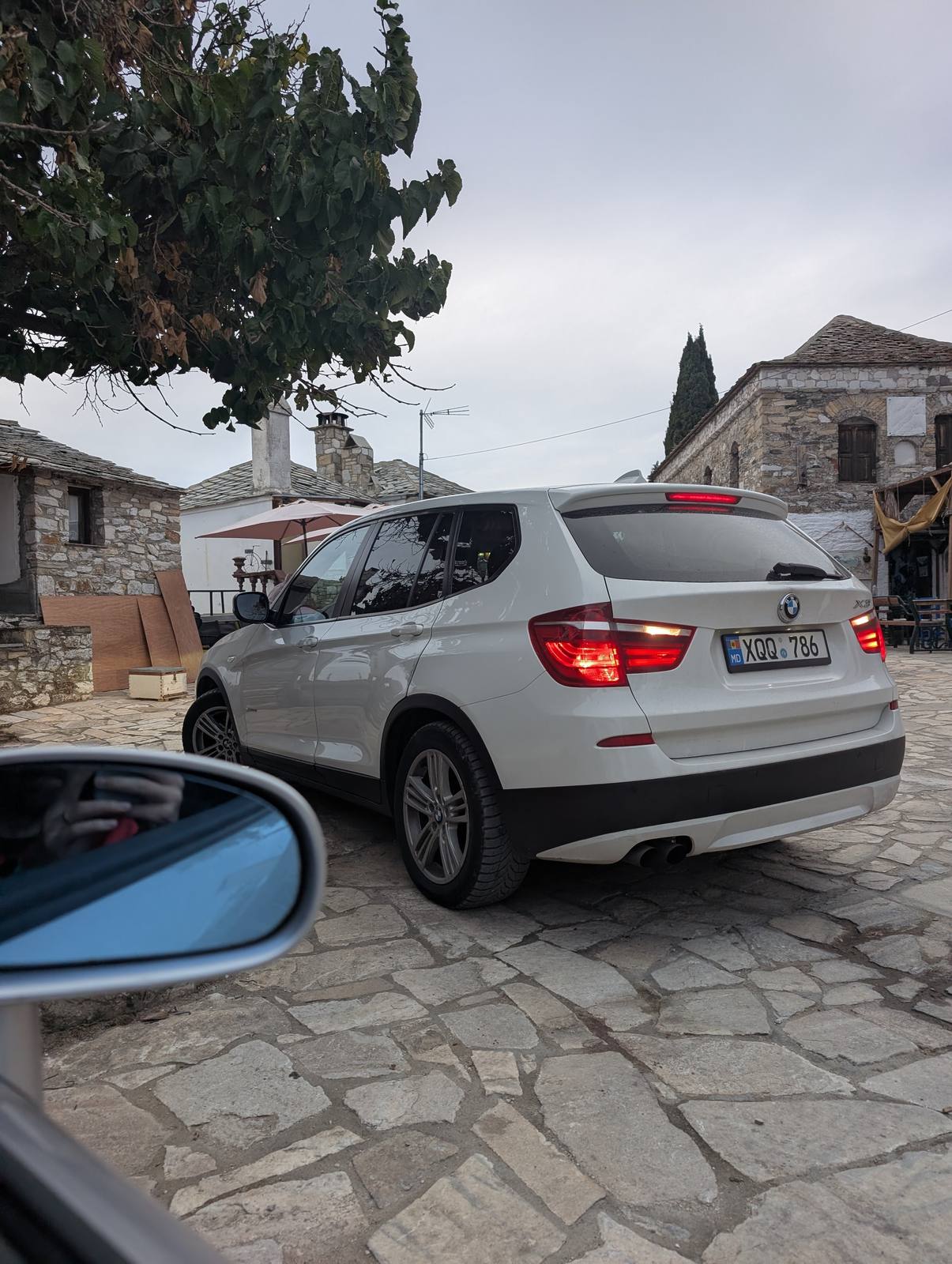
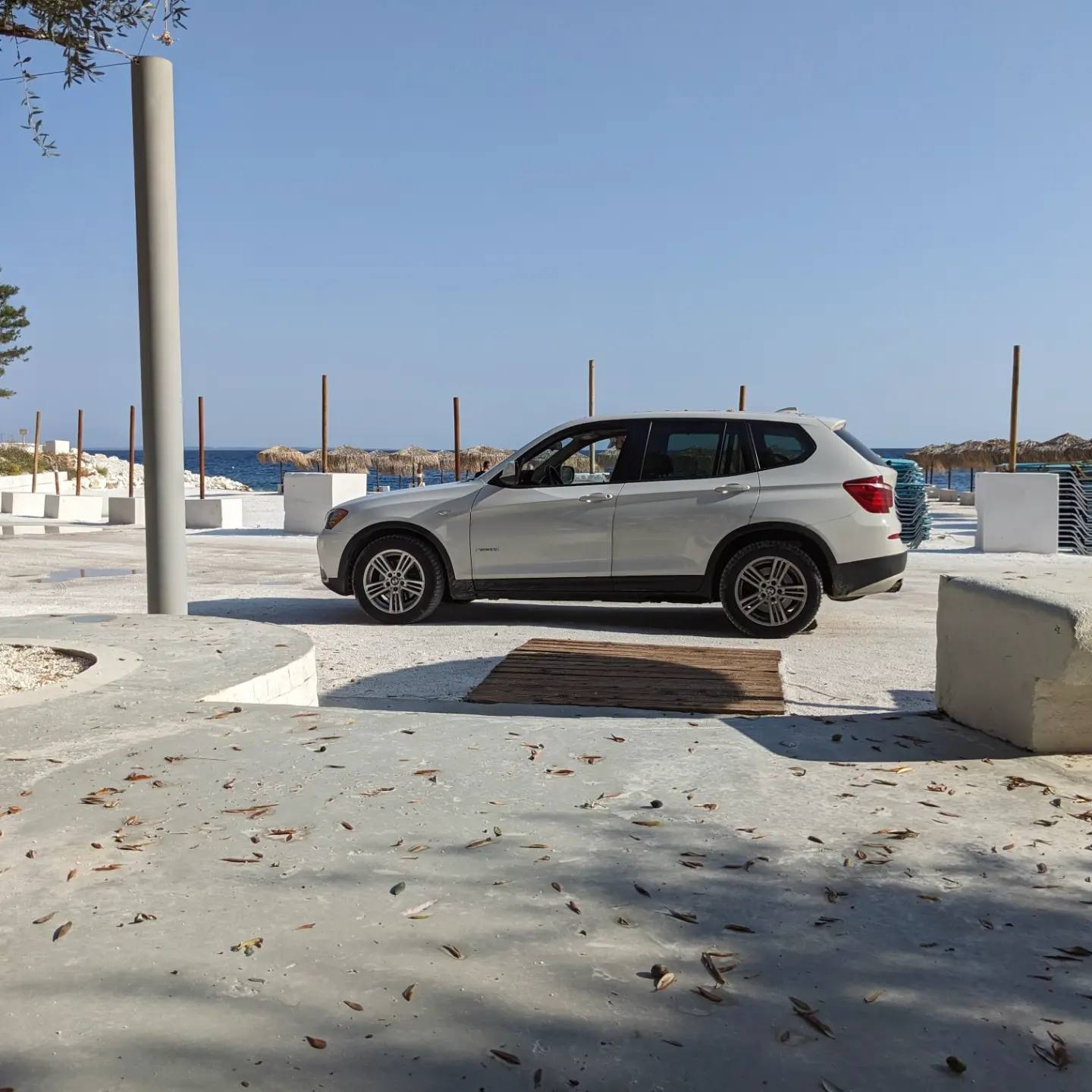
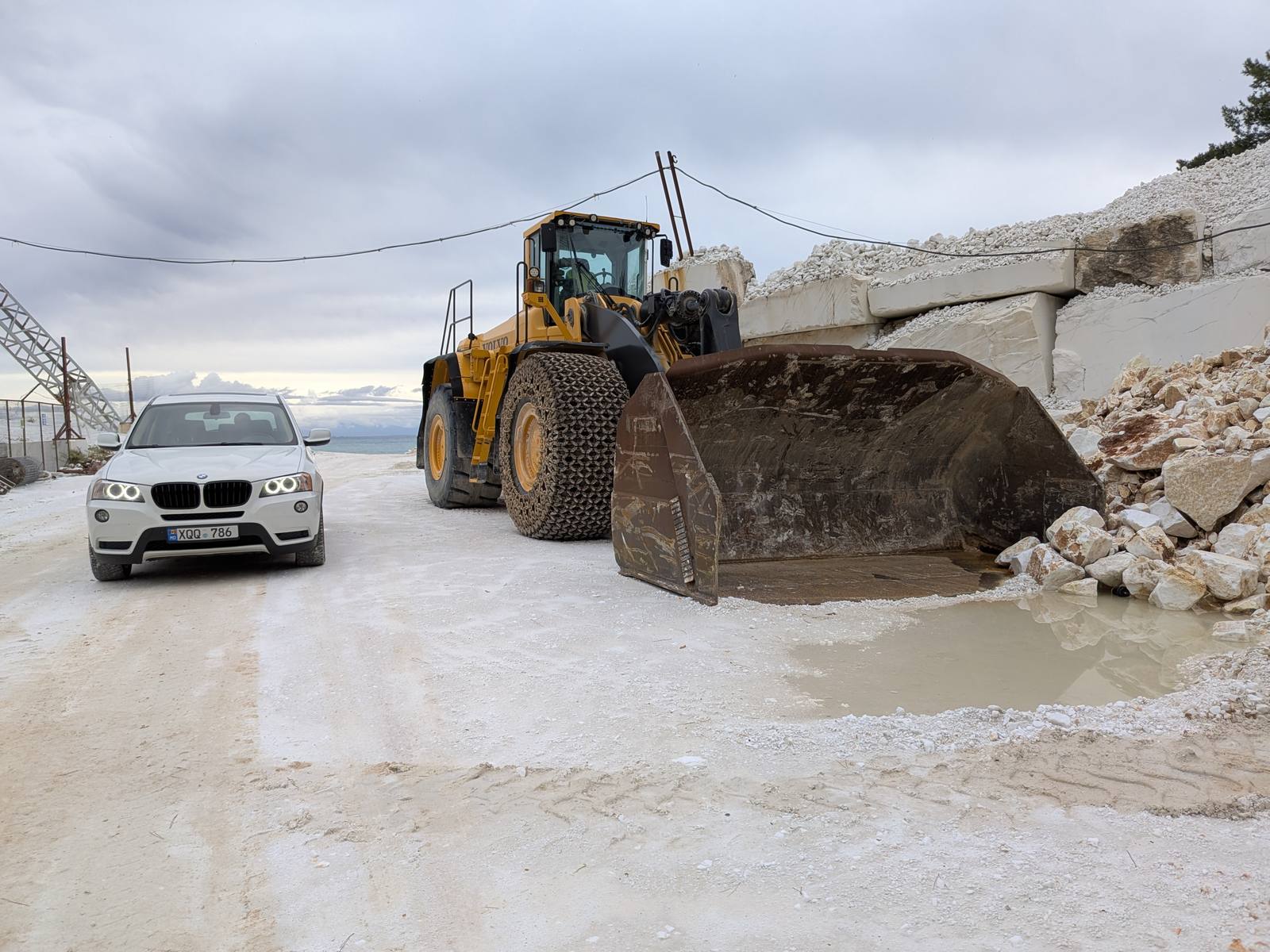
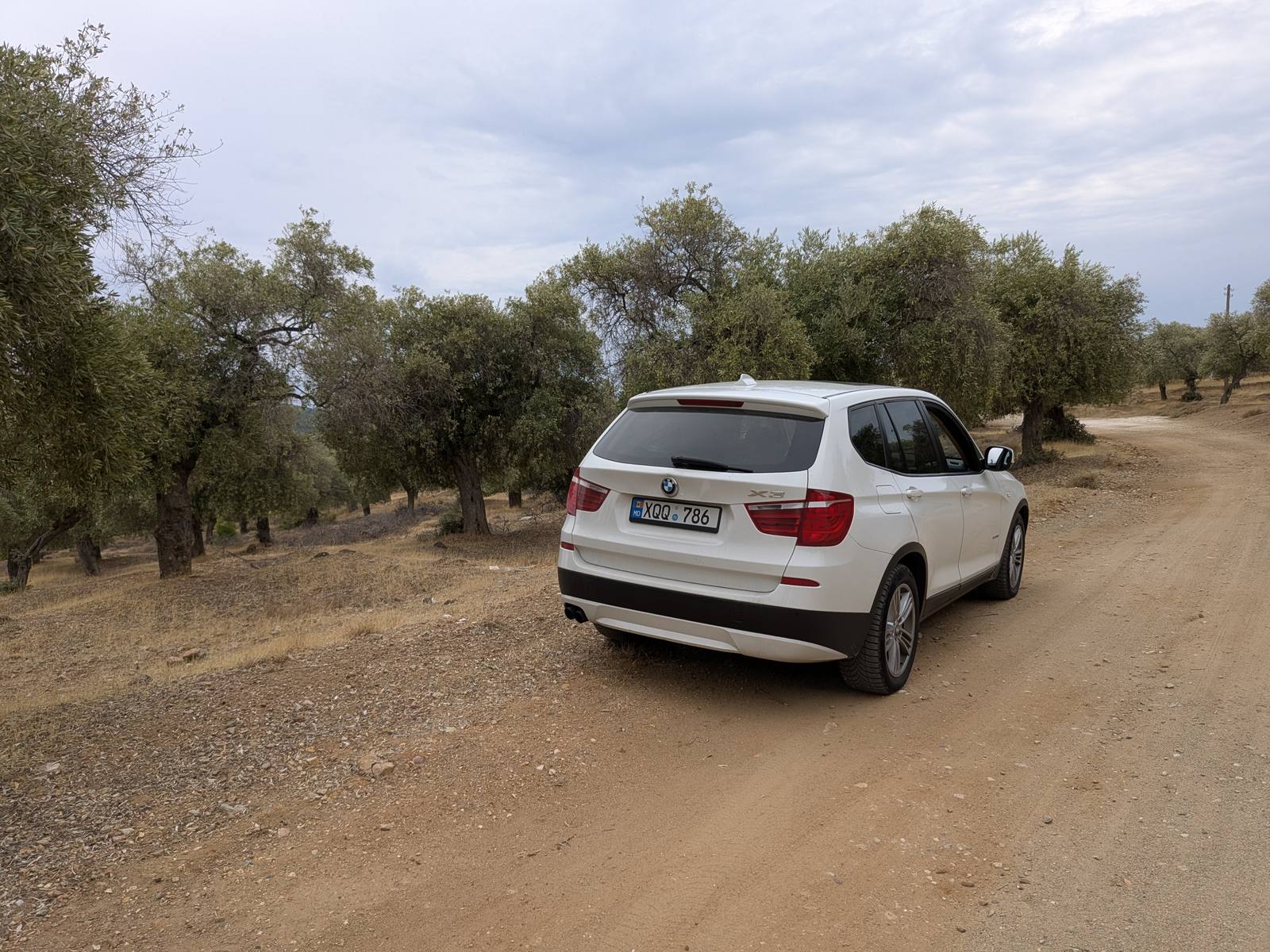
Thassos · October 2023 · ferry, marble, olives
I have been to Thassos about four times with it - this was one of the trips. On a long drive, with the good seats, it is the car you step out of after hours without being tired. And on the island, the ground clearance and the xDrive take you where you would not go in a saloon.
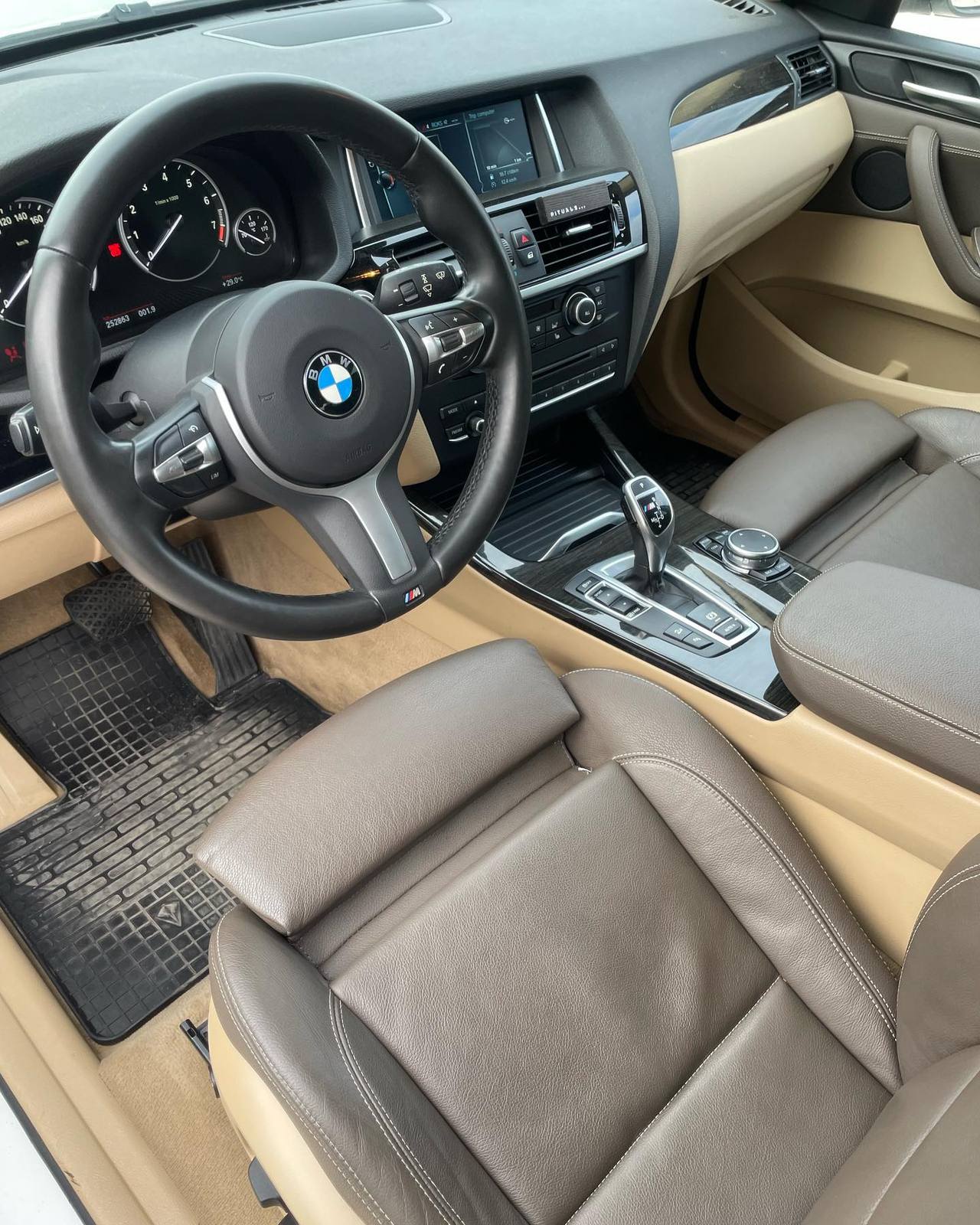
THE SPORT INTERIOR
Sport seats with adjustable bolsters, door cards, trims: the interior that changed the car the most.
The biggest interior retrofit: sport seats front and rear, new door cards, trims replaced - the complete interior. And it is not simply "brown": it is a gradient from top to bottom - from black to dark brown, then lighter brown, then beige - and on the doors, the metallic accent on the wood trim closes it. After fitting, everything cleaned and protected with Colourlock products.
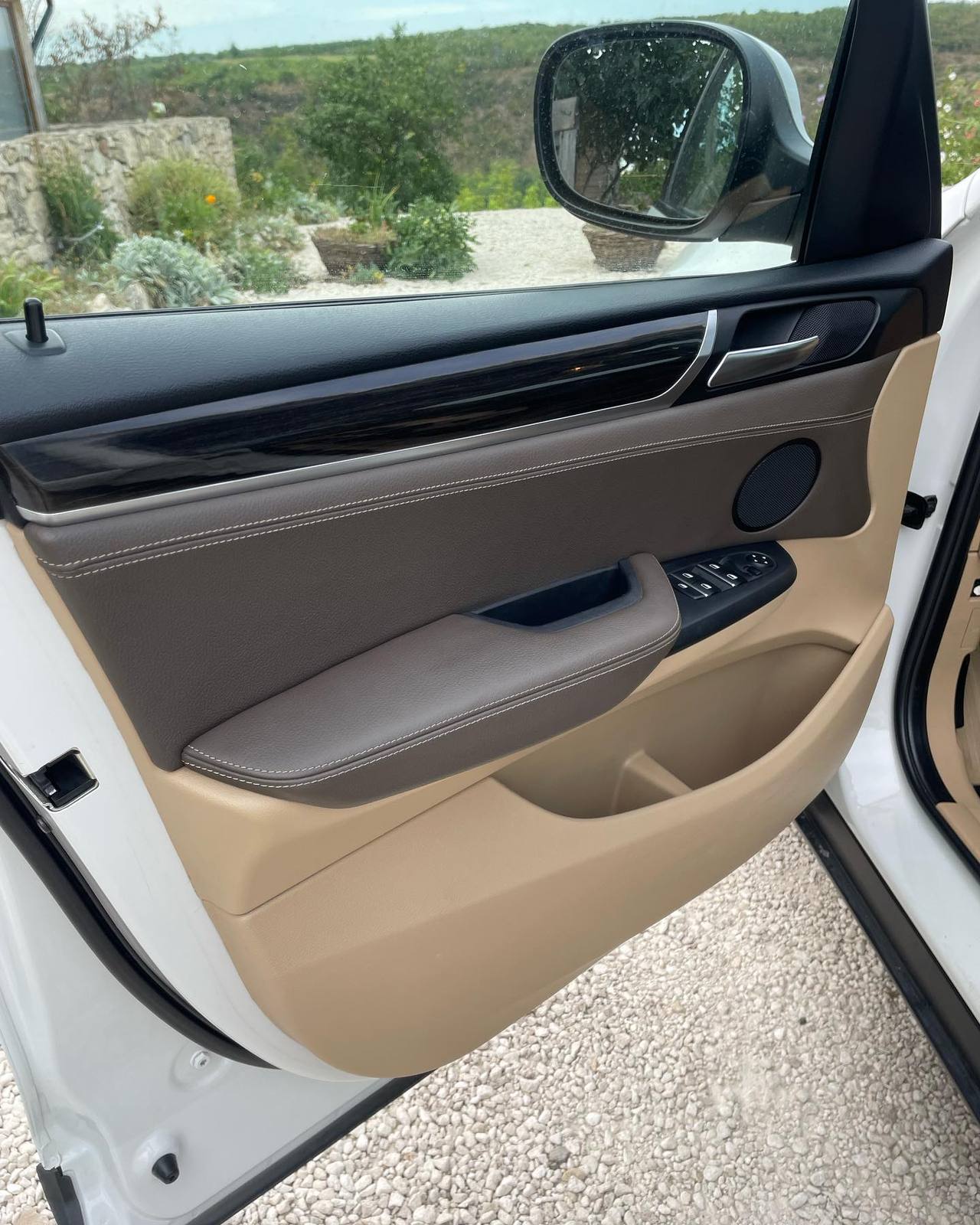
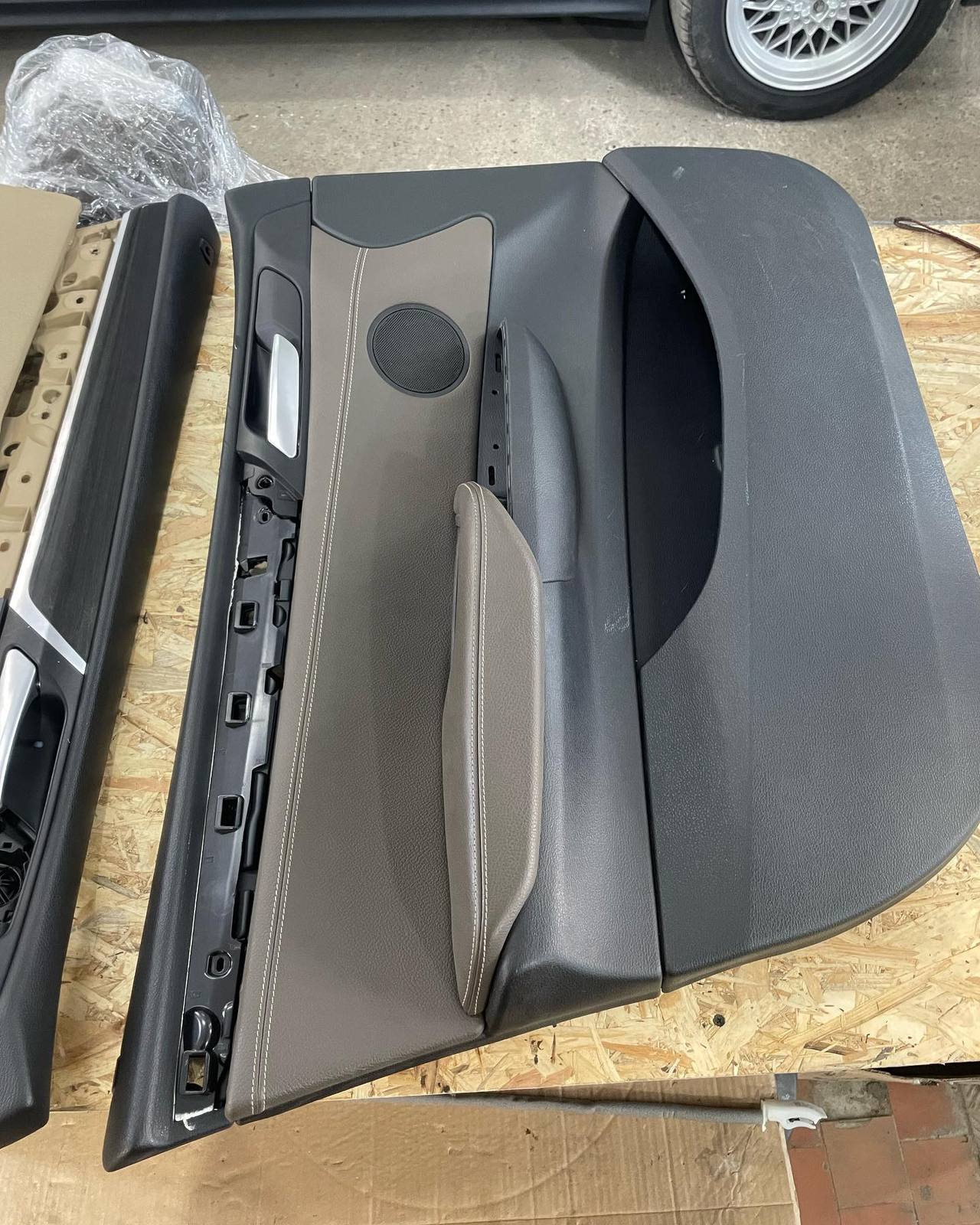
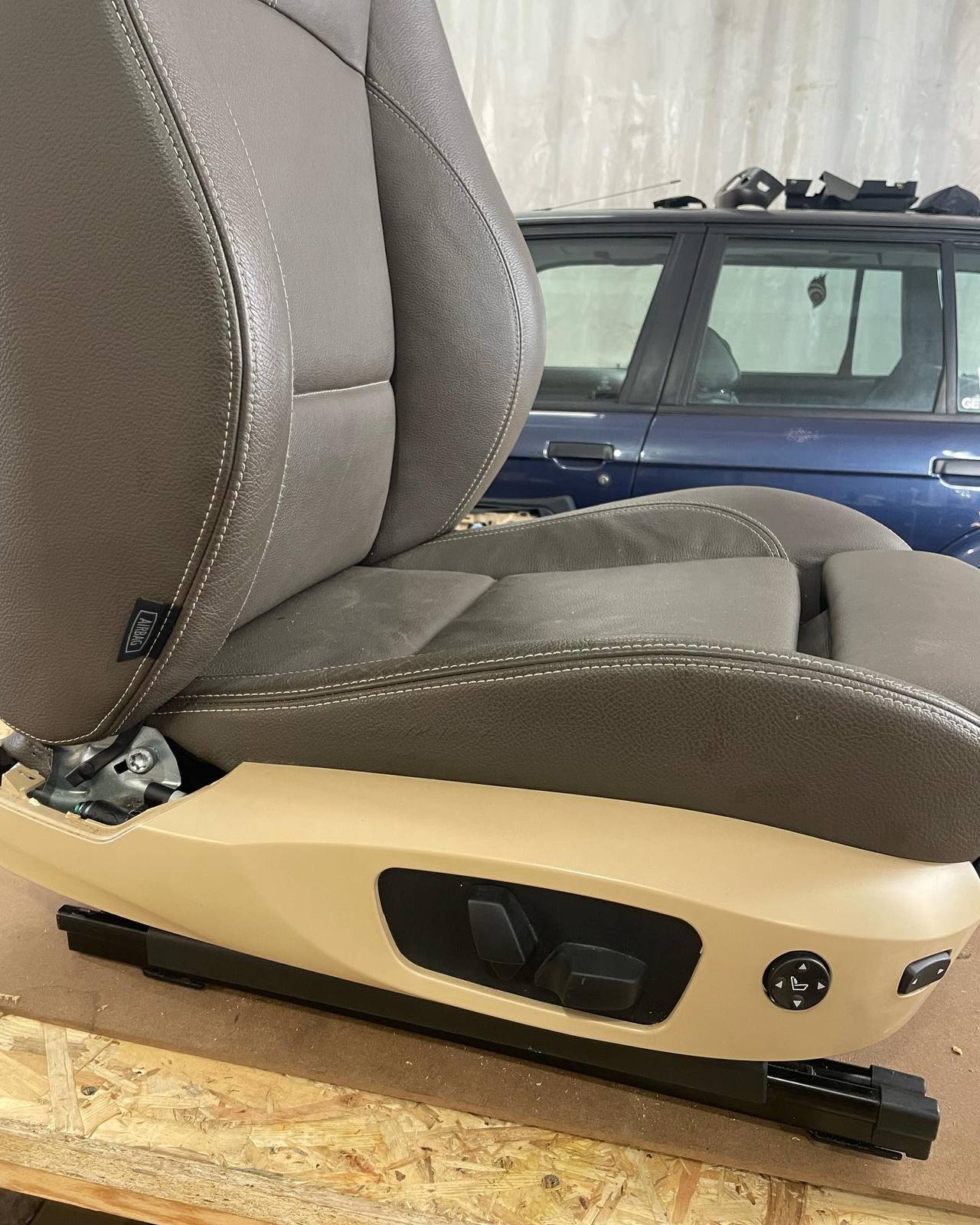
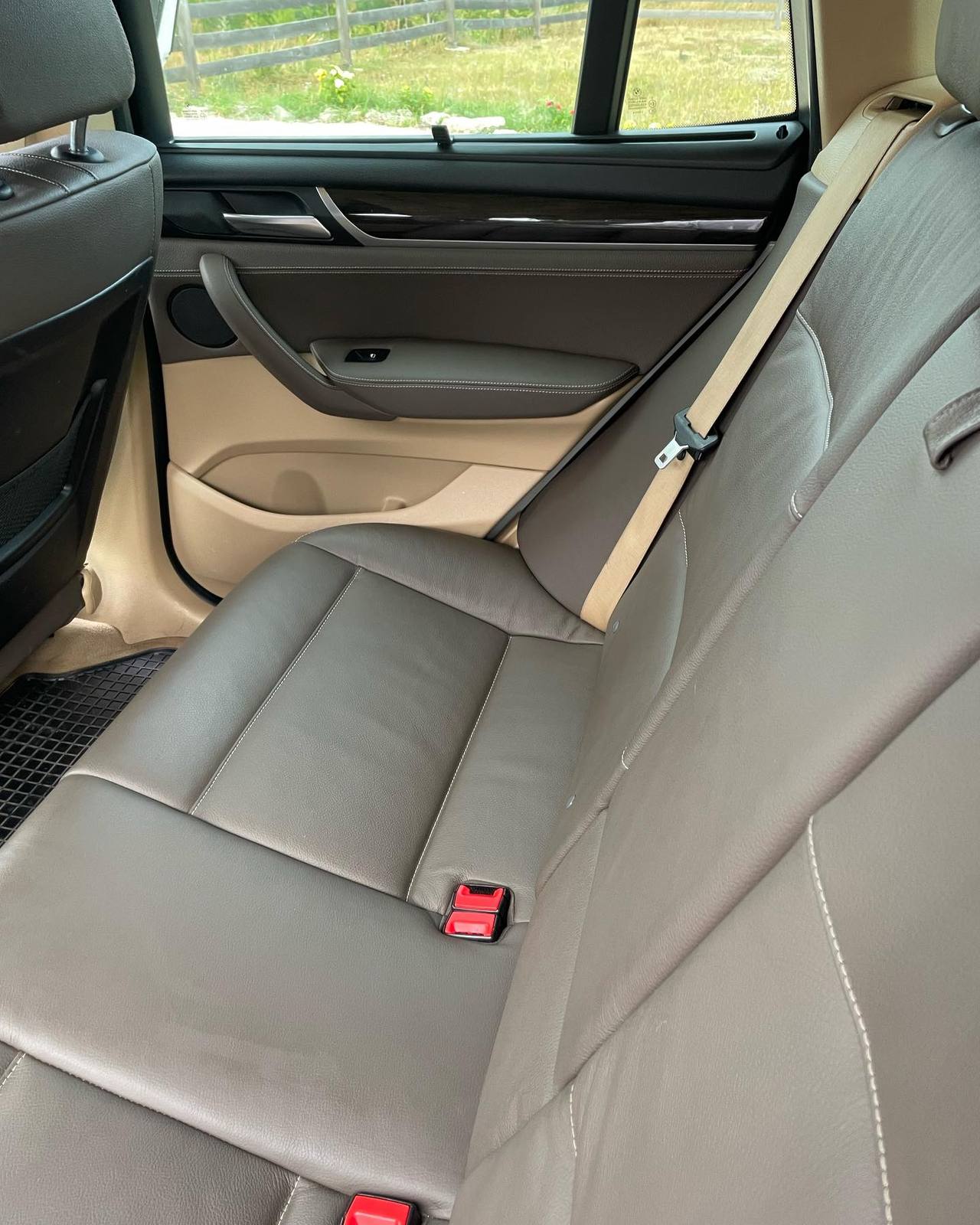
The sport interior · 09.08.24 · seats, doors, trims
And this is where the way the car drives changed the most: the sport seats with adjustable side bolsters hold you well in corners - they seem to wrap around you - and on a long trip they are exactly what you need. The detail has a consequence years later: it is precisely what I hold against the Polestar on ergonomics, in the other dossier.
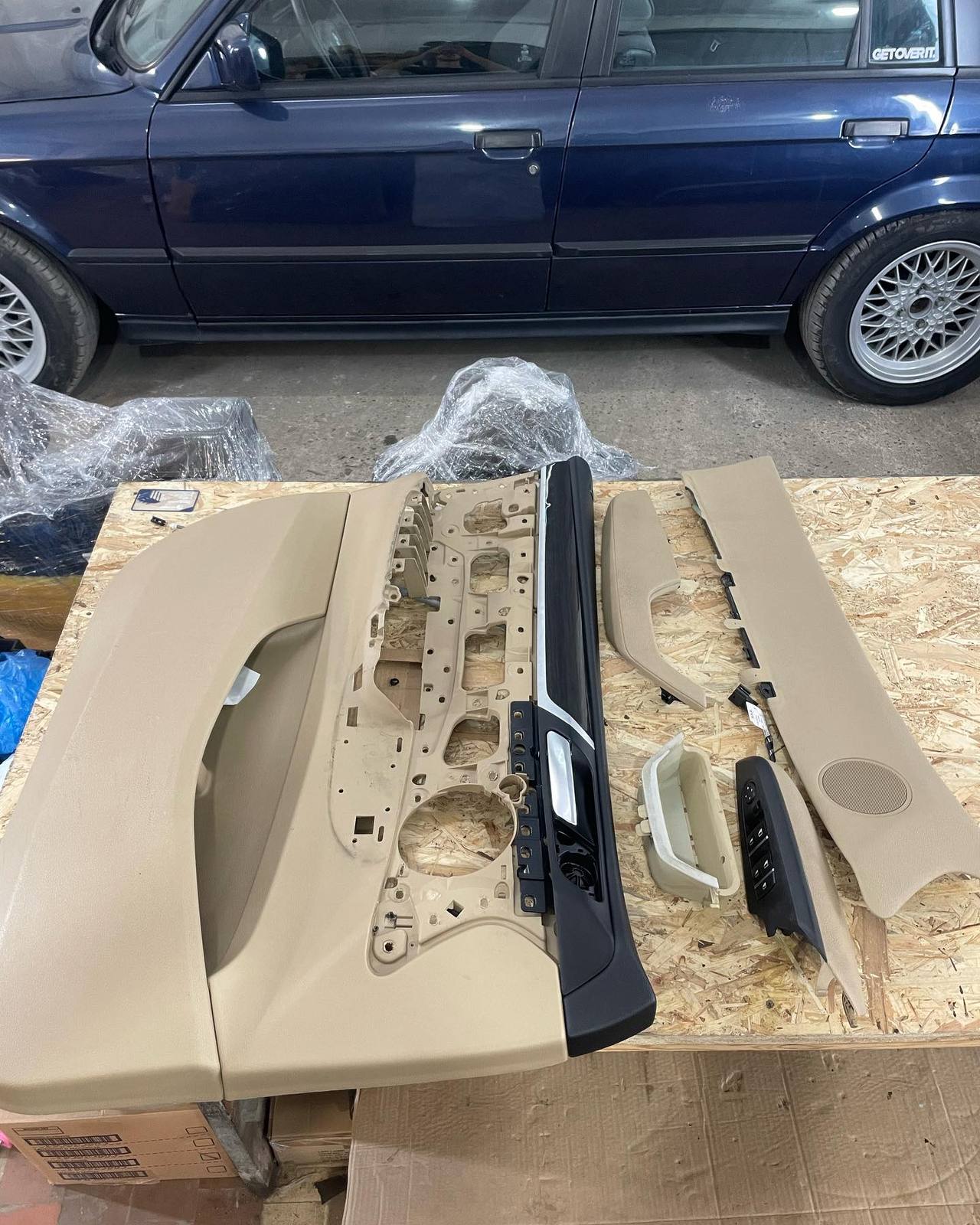
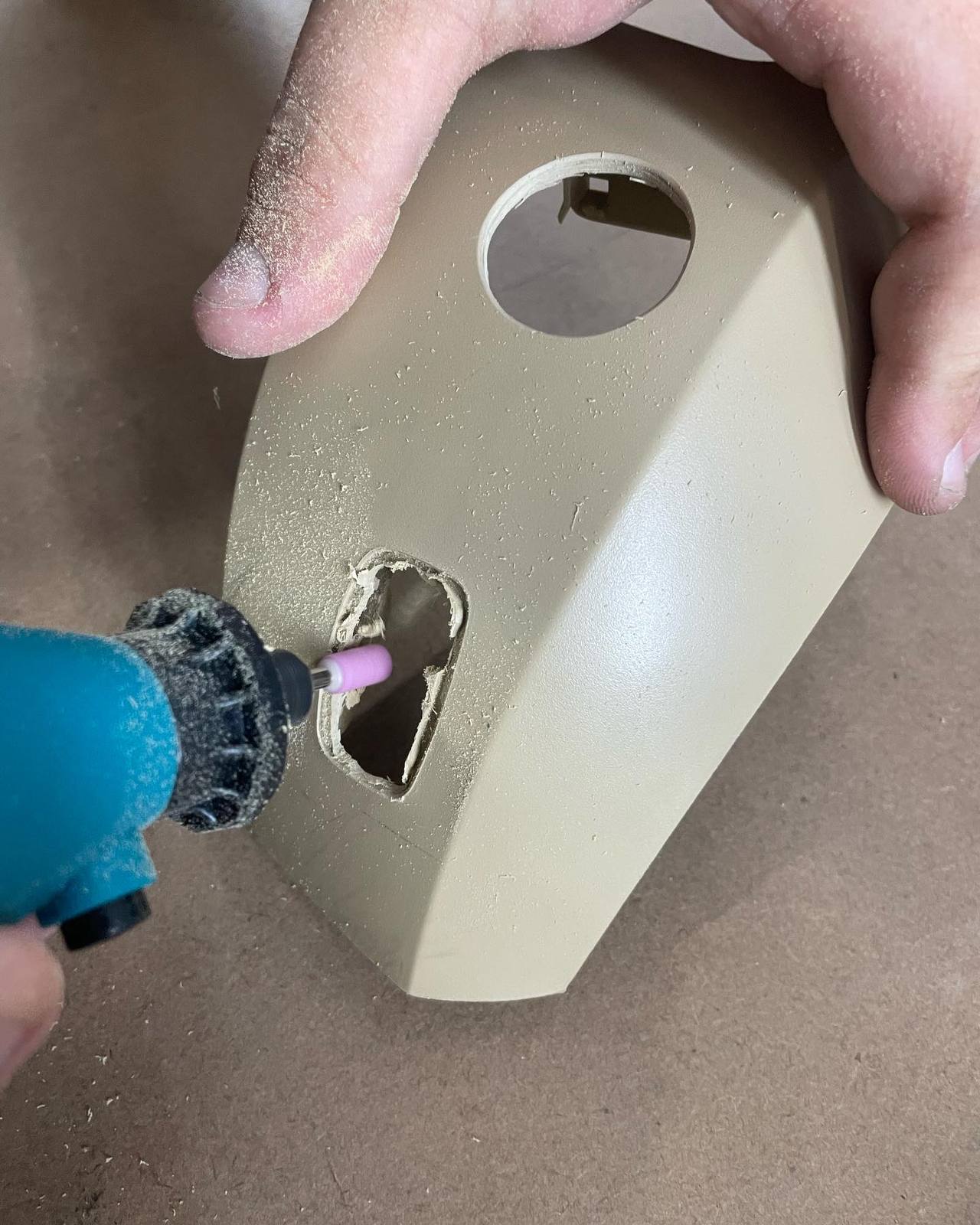
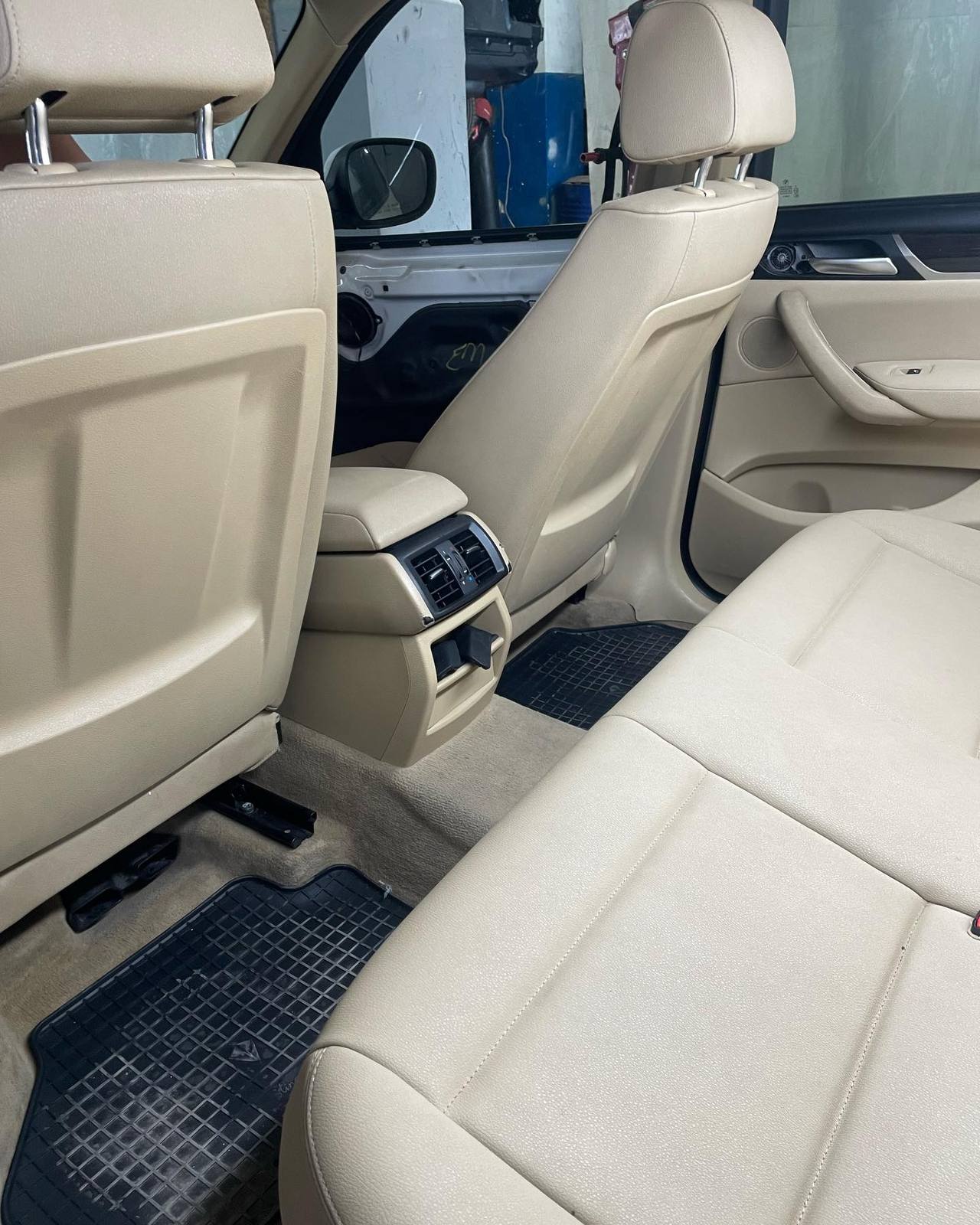
See also: Polestar 2 · 28.08.26 · By the way, e-Golf - the seat, the armrest and the door shelf
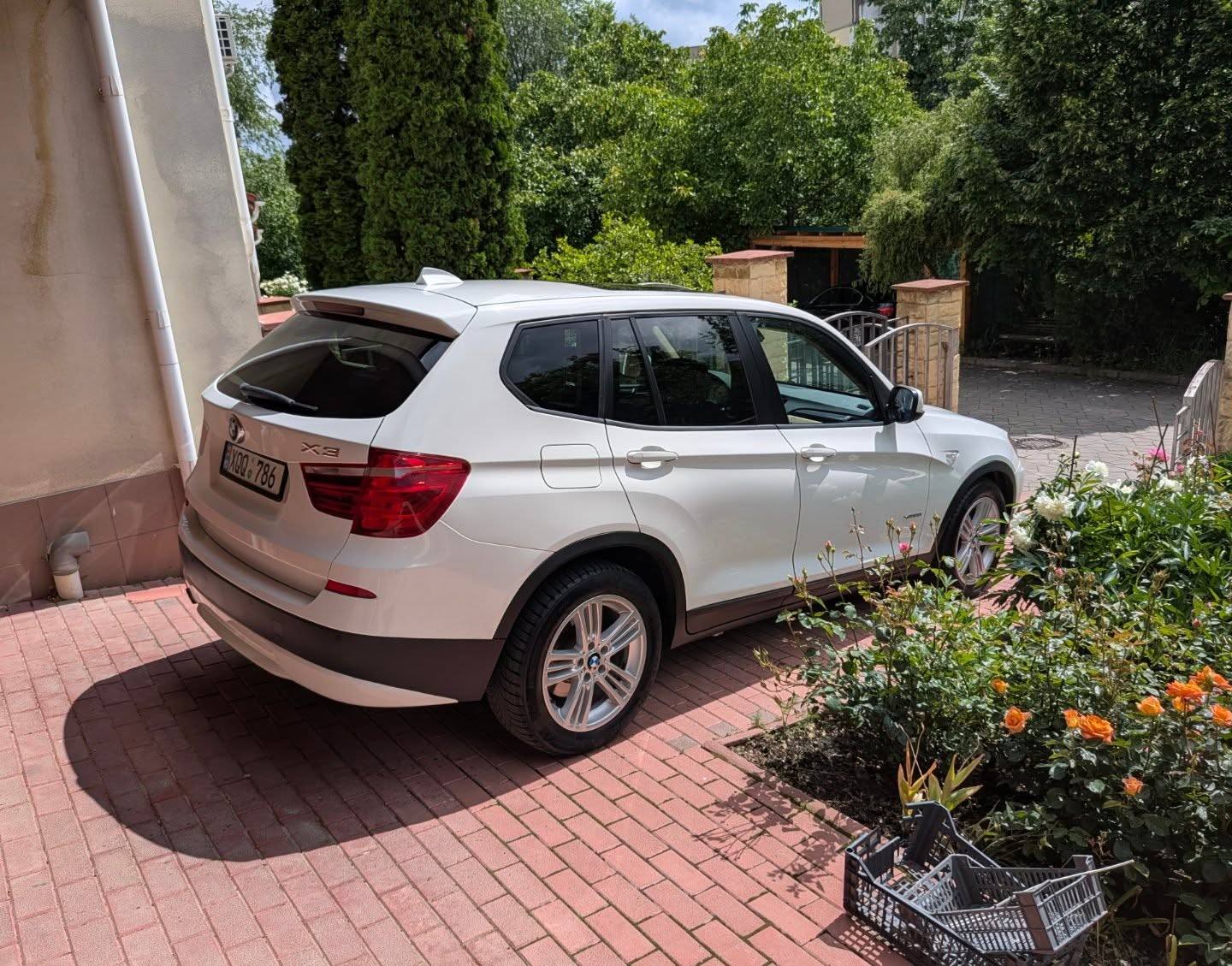
STEERING AND PREVENTIVE
Valvetronic, VANOS, plugs, arms and alignment - at 260,000 km, the N52 list nearly ticked.
One more round of preventive work, at 3.5 years and nearly 260,000 km: a new Valvetronic motor, new VANOS solenoids, new spark plugs, oil and filters - plus the control arms and steering parts that needed replacing, and the alignment at the end. The post ended simply: "...and we're good to go."
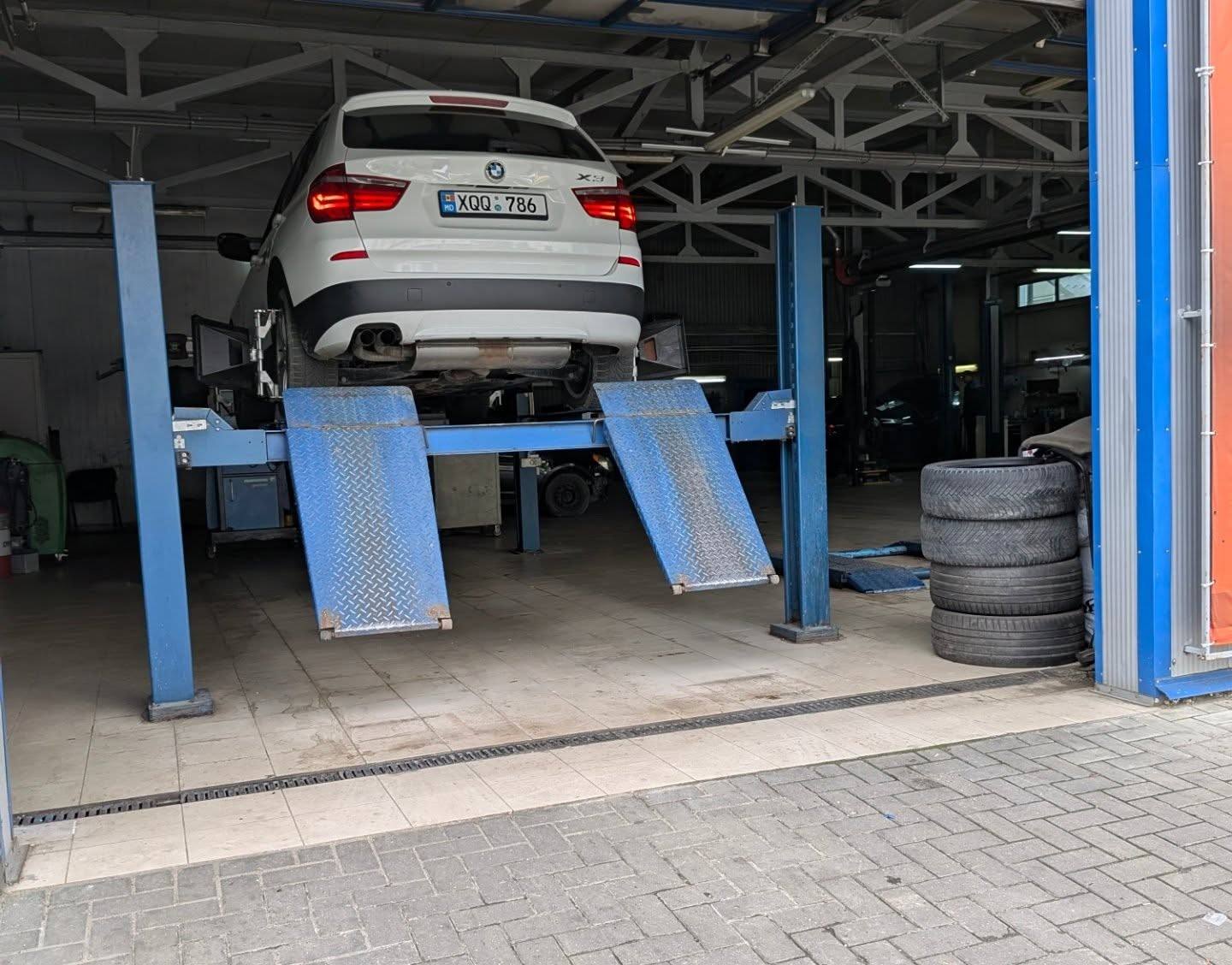
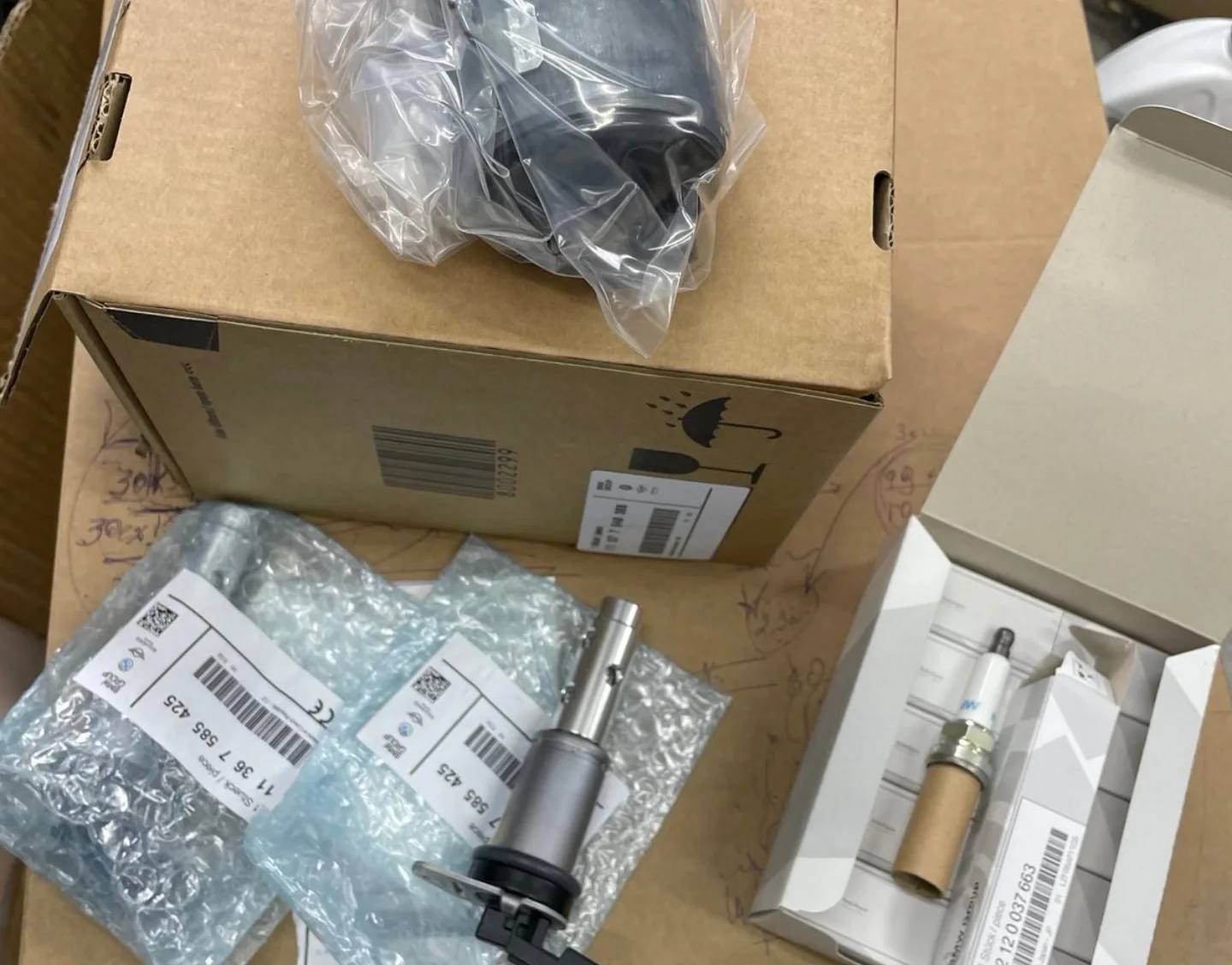
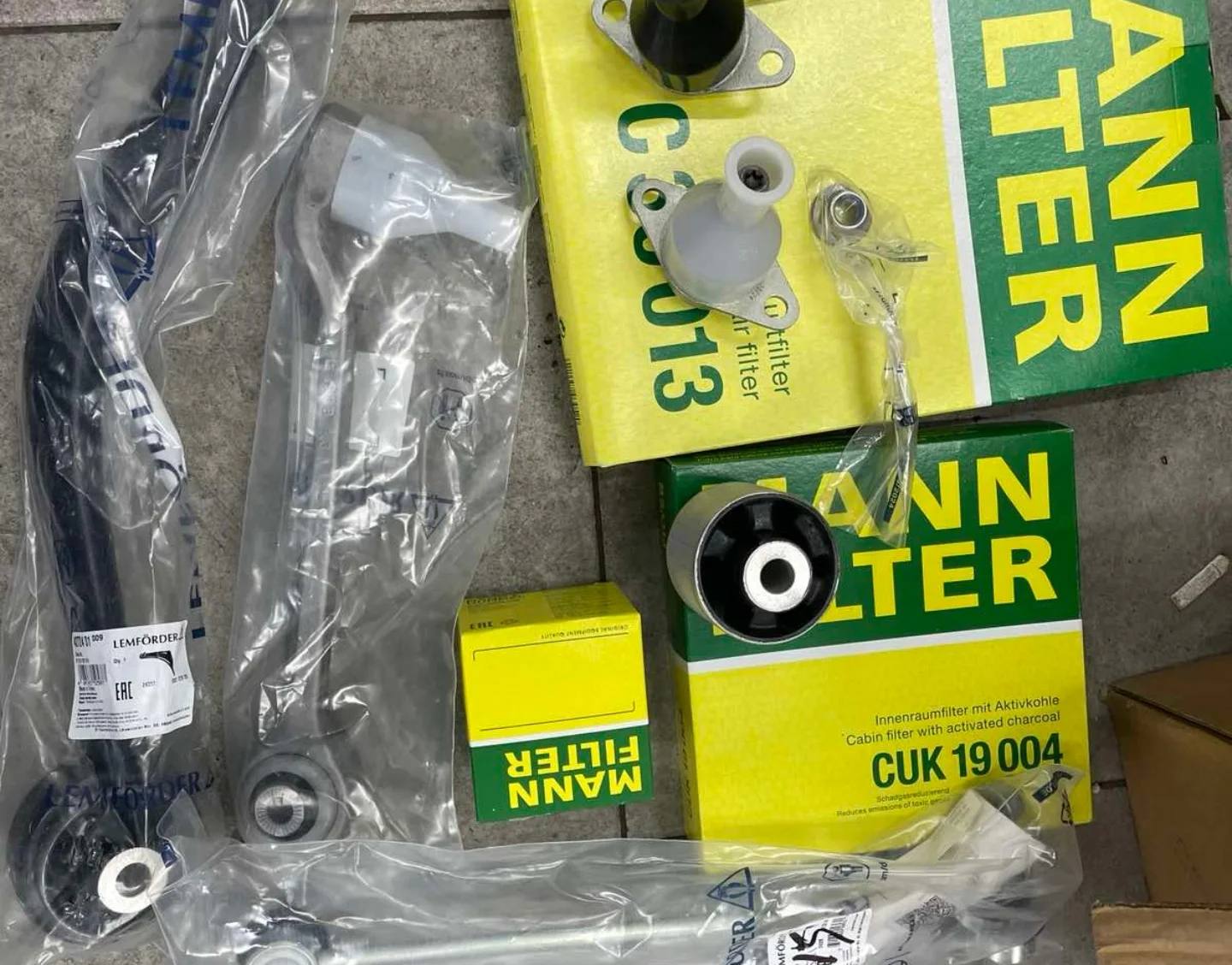
With the Valvetronic and the VANOS replaced, the list of known N52 weak points is nearly ticked off - the details are in the annex at the end.
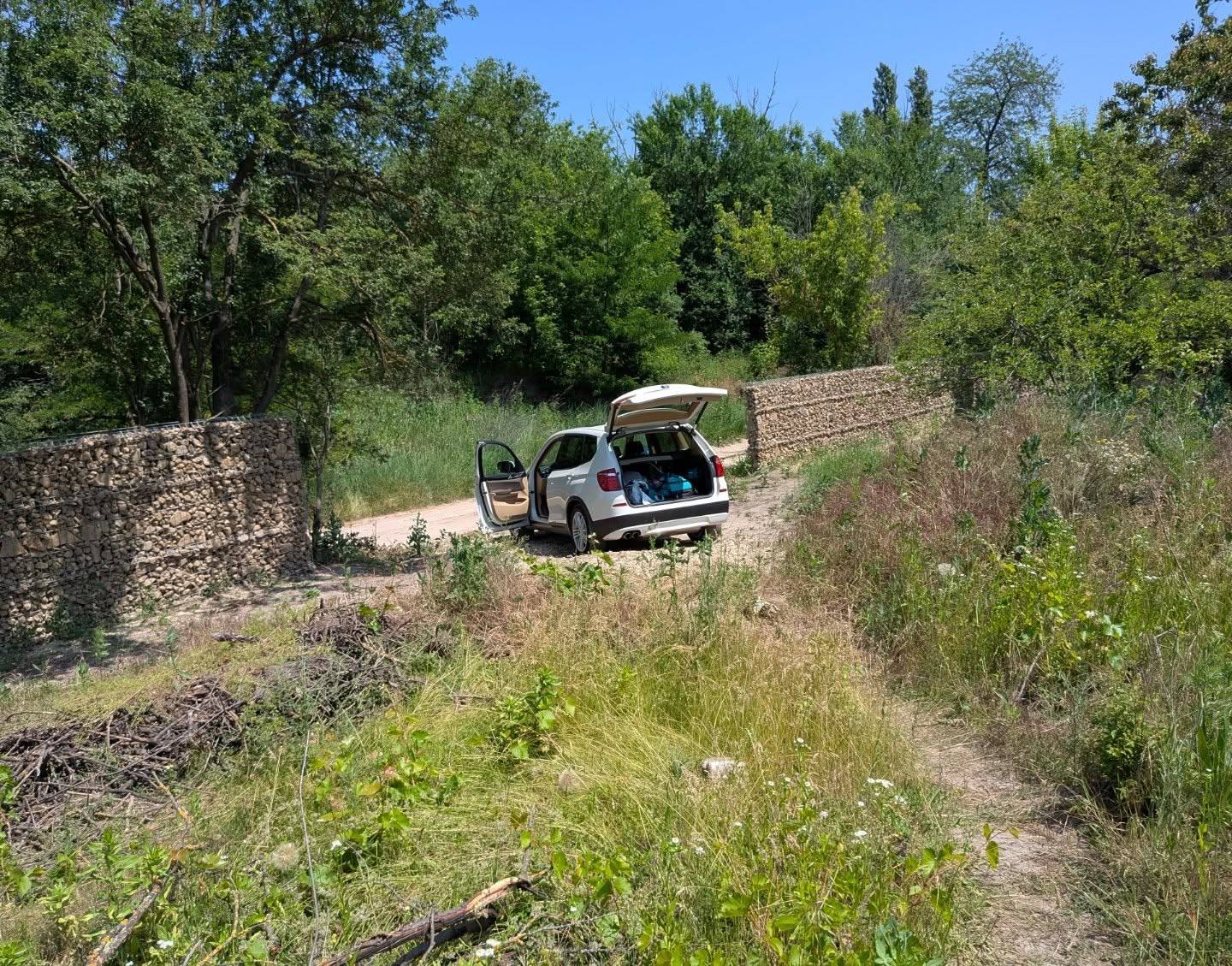
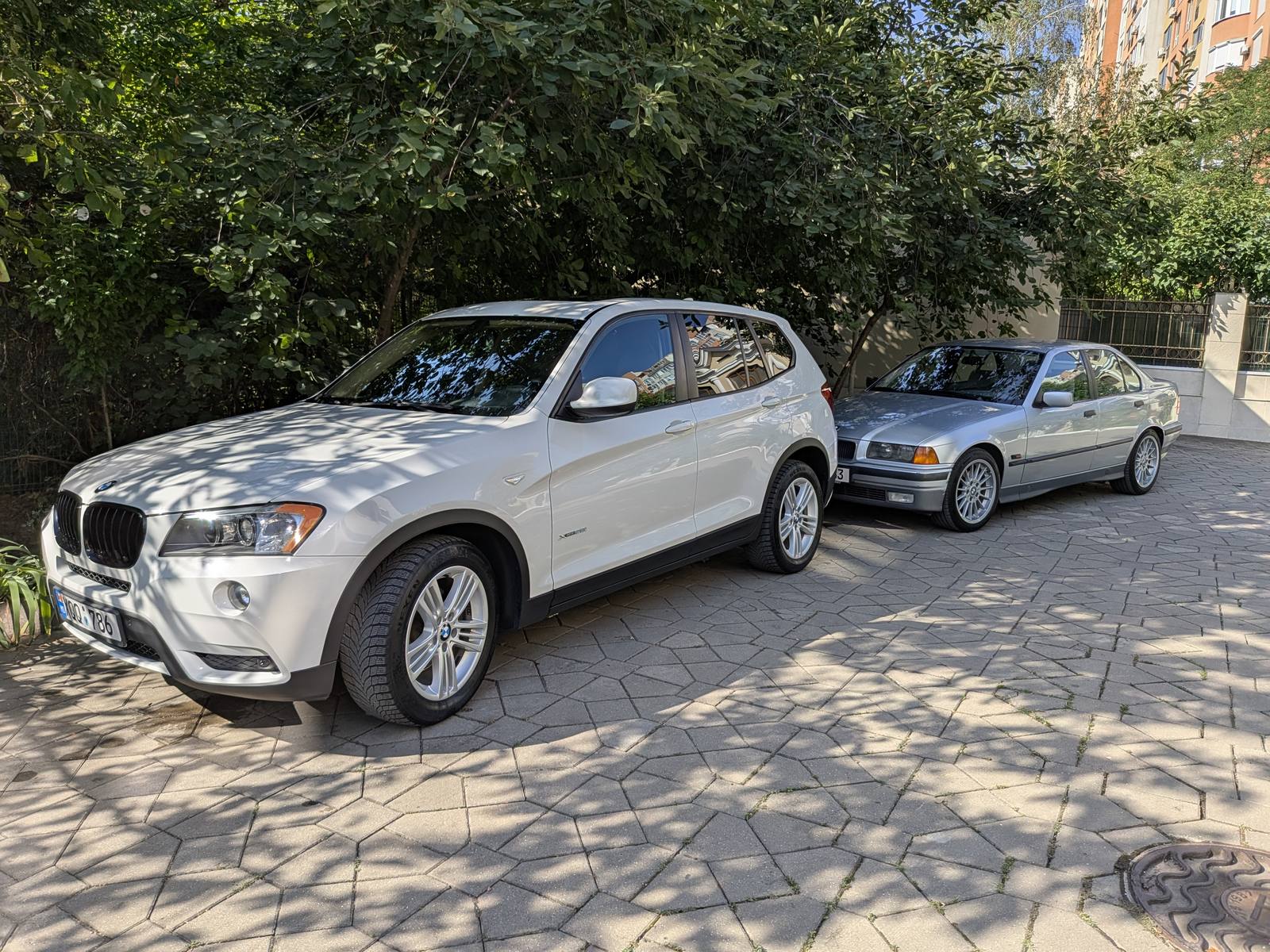
AFTER FOUR YEARS
I like it and it surprises me to this day, at 271,000 km. The honest balance of a car you have no reason not to keep.
It is a car I like and that surprises me to this day - at 271,000 km. And it is not nostalgia: it is modern enough even now, in multimedia and interface, with wireless CarPlay, good sound, all the software at the latest version; the gearbox is superb, the engine is legendary, it is roomy, tall, comfortable.
01 · The sweet spot
The X3 of this generation seems to me the balance point between quality and price: a more modern platform than the E generations, built on the 3 Series, very reliable - because it is relatively simple compared to its bigger siblings. Nothing that breaks expensively on an X5 exists here.
02 · What the retrofits did
Everything else I did was to bring it into a better state, especially inside. And the sport interior truly changed the car: it holds you in corners, it wraps around you, and on a long trip it is the place you do not want to leave. I have been to Thassos about four times with it; there was no trip on which I wished for something else.
03 · When it did not start
Once, because of the starter. Otherwise it took me there and brought me back - in bad weather, on black ice, in snow, through mud - without any difficulty. The xDrive with its multi-plate clutch, a default 40:60 rear-biased split and up to 100% to one axle, does its job without you feeling it, exactly as it should.
04 · The workhorse
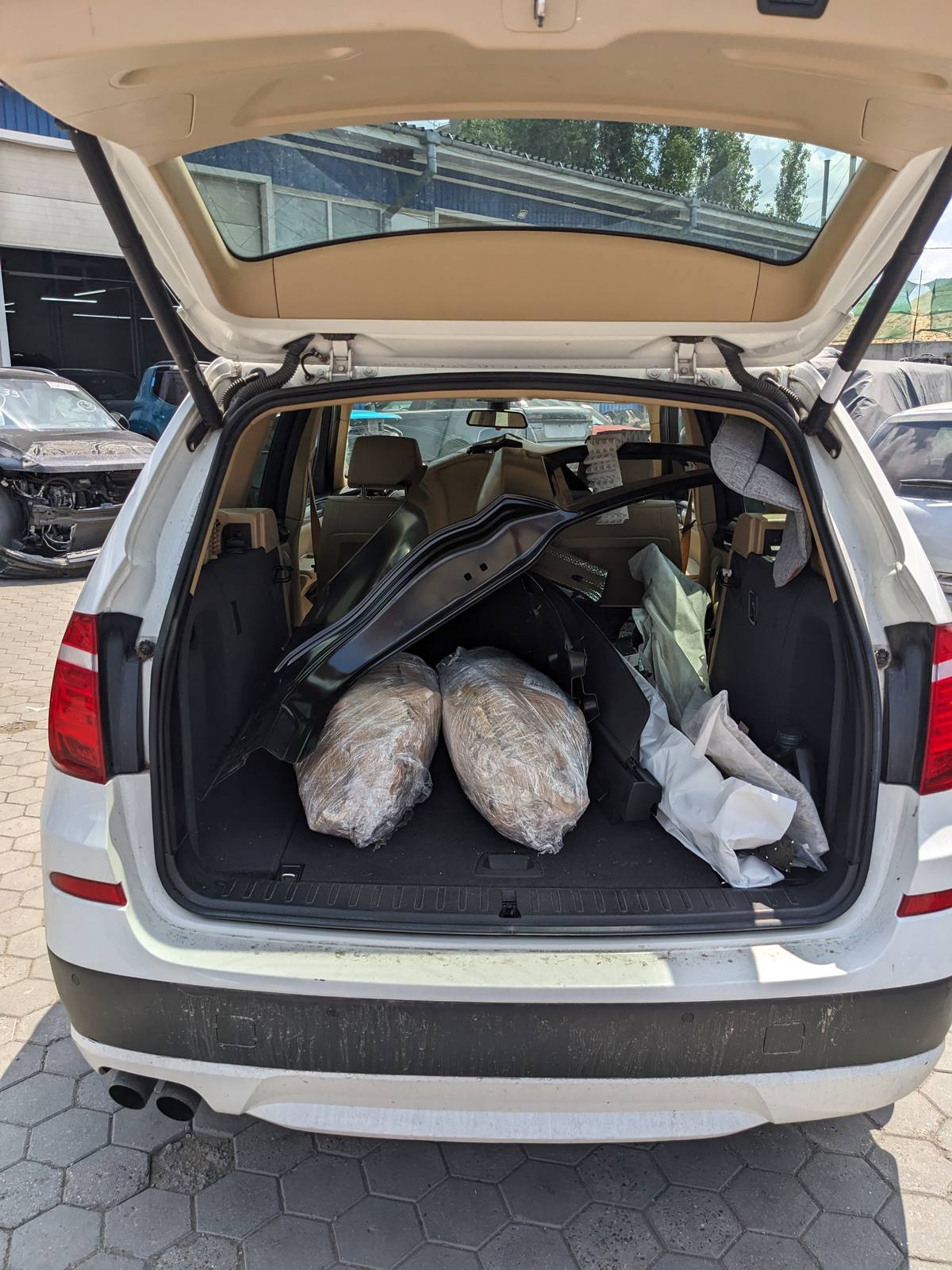
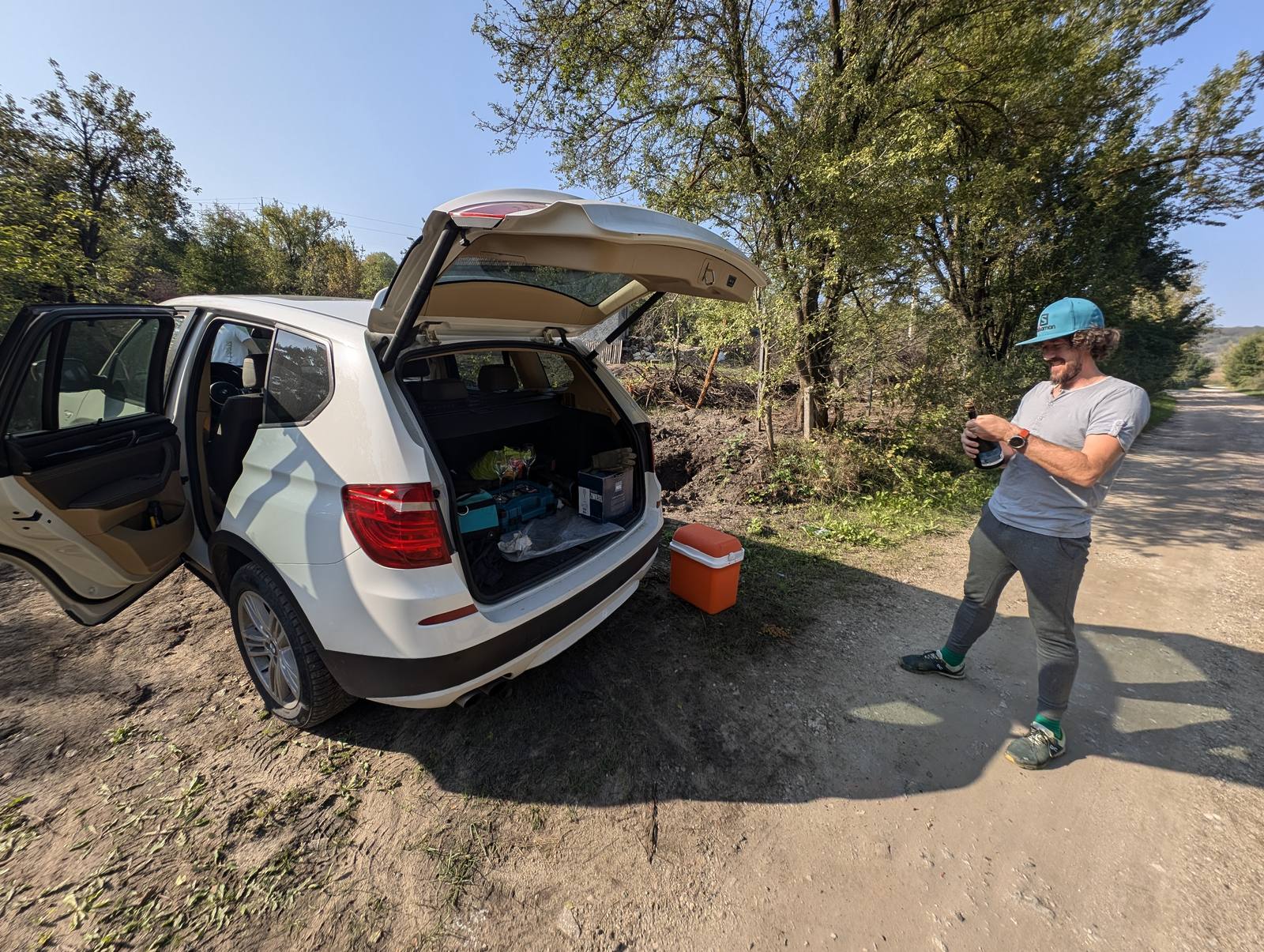
It is also very practical: roomy, but not exaggeratedly big outside, so easy at car parks. And, without being asked, it became the garage's service vehicle: the parts for the M240i arrived in its boot, the tools and the cooler for field days - likewise. The car you rely on when the others need something.
05 · Consumption - and the N20
The real figures, after four years of trip computer: 9.7 l/100 km on long trips and 12.6 l/100 km in my usual mix - mostly city with traffic jams, with the occasional run out of town. For a three-litre six-cylinder petrol in an all-wheel-drive SUV, that is very good consumption.
And speaking of the turbocharged four-cylinder N20 that replaced it from 2013: it does not use much less - about a litre per hundred, in practice - but it loses three things. The inline-six sound. The response: on paper the N20 has more torque and earlier (350 Nm from 1,250 rpm, versus 310 at 2,600), but through a turbo, with its lag - the N52 responds linearly, instantly, from any rpm. And reliability: the 2011-2015 N20s have timing chain guides made of brittle plastic that crumble and can let the chain jump - taking the engine with it; the 2013-2017 X3s are on the affected list. It is, rightly, among the most cited problems of modern BMW engines. A litre per hundred, against a timing chain - I chose well, without knowing back then how well.
The verdict, after four years: it is not a car you keep because you have no other - it is one you keep because you cannot find a reason not to. Its dossier is only now starting to be written in real time.
See also: Polestar 2 · 03.08.26 · Plugged in - the cost per 10,000 km, the X3 next to the Polestar
The garage so far
All of one man's - RT. Not the whole table's. So you know exactly what this dossier compares against.
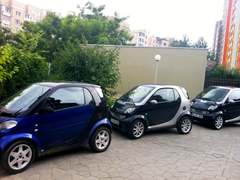 Smart ForTwo 4500.6 petrol
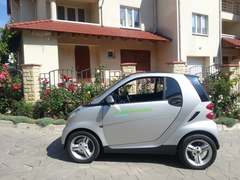 Smart ForTwo 4510.8 diesel
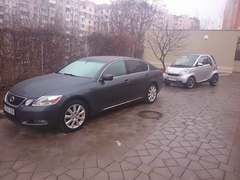 Lexus GS300 AWD3.0 petrol
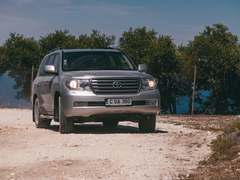 Toyota Land Cruiser 2005.7 petrol
 Honda CR-Z1.5 hybrid
 Mercedes-Benz CLS 350 CDI3.0 diesel
 Mercedes-Benz S 320 CDI3.0 diesel
 Mercedes-Benz SLK 3203.2 petrol
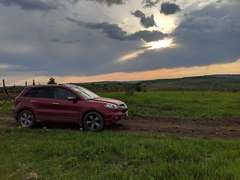 Acura RDX2.3 petrol
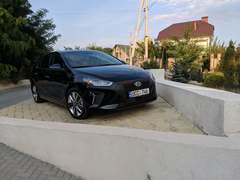 Hyundai Ioniq1.6 hybrid
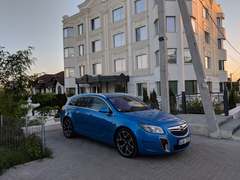 Opel Insignia OPC2.8 petrol
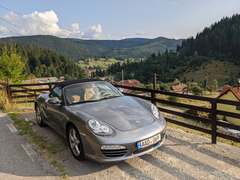 Porsche Boxster 987.22.9 petrol
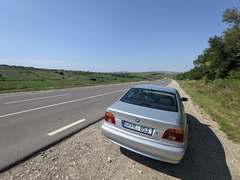 BMW 525d E392.5 diesel
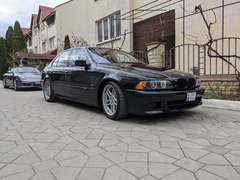 BMW 530i E393.0 petrol
 BMW X3 28i F253.0 petrol · now
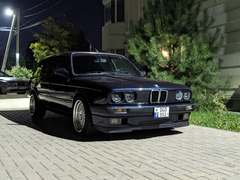 BMW 318i Touring E301.8 petrol
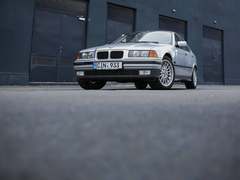 BMW 323i E362.5 petrol
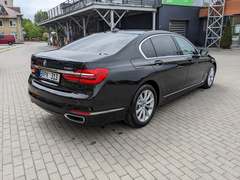 BMW 740Li xDrive G123.0 petrol
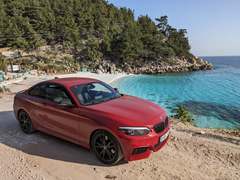 BMW M240i F223.0 petrol
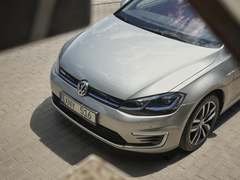 VW e-Golf MK7.5 (2018)electric
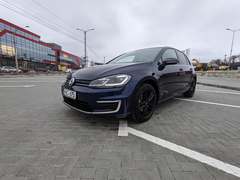 VW e-Golf MK7.5 (2020)electric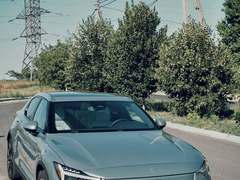
In time, some will get dossiers of their own - and we will link them from here.
N52 - THE LIST
Every N52 ages the same way. Its list of weak points - and what is ticked on mine.
Every N52 has the same short list of weak points - every BMW mechanic knows it, every forum has it. Here is the list, with what is ticked on mine and what is not. So you know exactly what car you are dealing with if you buy an F25 with an N52.
| Valve stem seals | Bluish smoke on start-up, oil consumption · ✓ all 24 replaced, January 2022 |
| Timing chain and tensioner | Cold rattle, guide wear · ✓ complete kit, January 2022 |
| Oil pressure valve | Unstable pressure, errors · ✓ new, January 2022 |
| Valvetronic motor | Rough running, intake errors · ✓ new, June 2025 |
| VANOS solenoids | Rough idle, lost power · ✓ new, June 2025 |
| Starter | Dies of old age · ✓ new, September 2023 - the only breakdown |
| Oil filter housing gasket | Oil leak toward the belt · not yet on mine |
| Electric water pump | Overheating, cooling error · not replaced by me |
| xDrive transfer case | Shudder in tight low-speed turns · fluid changed before me, no symptoms |
| 8HP fluid | "Lifetime" is a myth; ZF says 8 years or ~80,000 km · changed before me, runs smoothly |
Six of ten ticked preventively, two without symptoms, two waiting their turn. At 271,000 km, the engine has asked for nothing that was not on the list - and that is, in the end, the definition of a good engine: predictable in the way it ages.
XDRIVE AGAINST THE REST
A clutch instead of a centre differential - and why that is, at the same time, the quality and the weak point of xDrive.
When I say in "After four years" that it took me through black ice and mud without my feeling a thing, the credit goes to a part nobody talks about: the transfer case. Here is what is inside - and how it compares with what the others have.
01 · How xDrive works
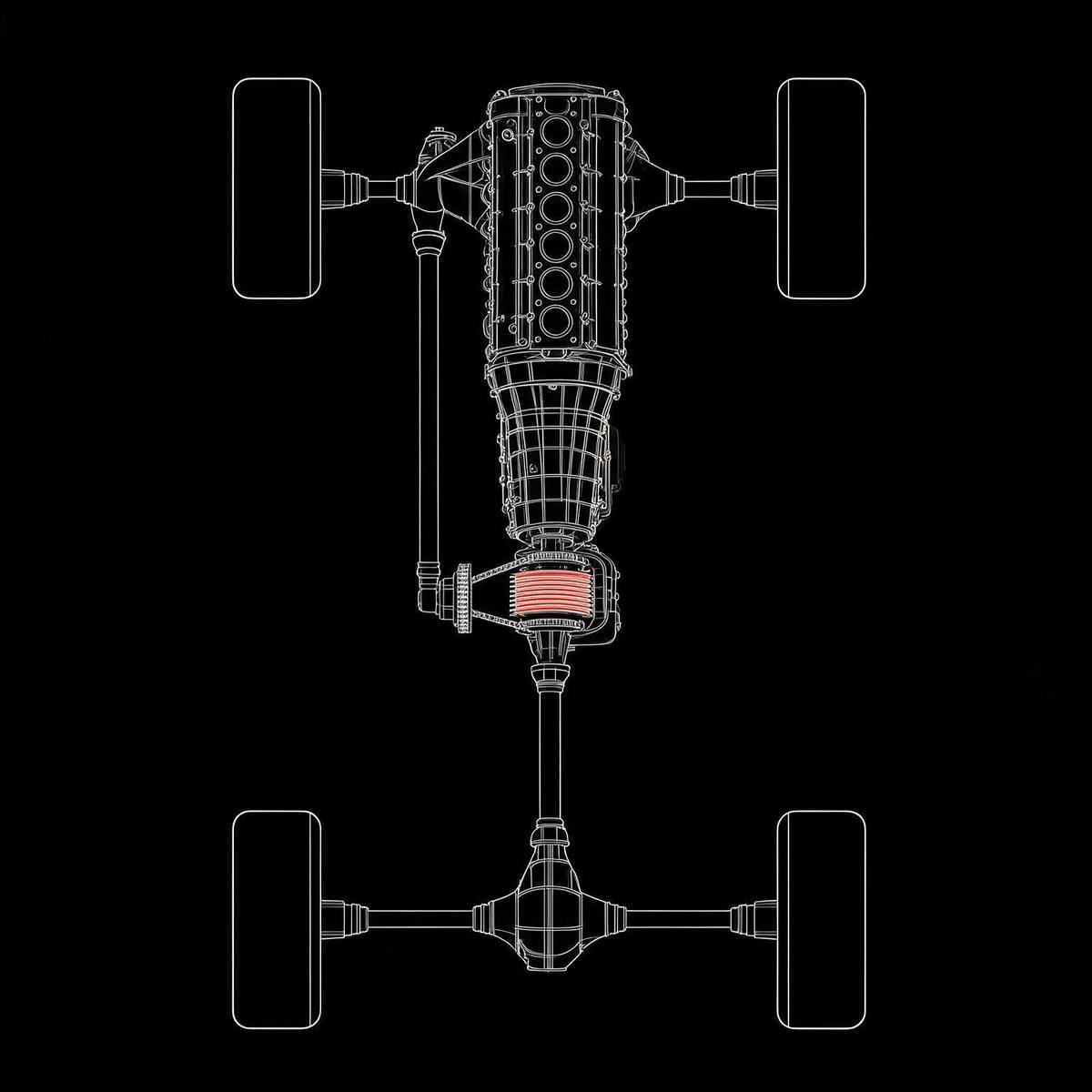
The F25 carries a transfer case from the ATC family - the 450 on early cars, the 45L on later ones - bolted behind the gearbox. Inside there is no centre differential: the rear axle is tied directly to the engine, and the front axle receives torque through a wet multi-plate clutch, squeezed by an electric servomotor through a worm gear and a cam. A chain carries the torque to the front output. With the clutch open the car is effectively rear-wheel drive; as the plates are pressed together, more and more torque goes forward - normally 40:60, at the limit nearly all of it to a single axle.
The clever part is not the clutch but the decision: the DSC electronics calculate the split in advance, from steering angle, wheel speeds, acceleration and yaw - it does not wait for a wheel to spin. That is why you feel nothing: by the time something happens, the torque has already moved.
02 · What it means at the wheel
In town and on dry tarmac the car behaves like a rear-wheel-drive one - which is why an X3 corners like a BMW, not like an SUV. On black ice, mud, snow or the dirt roads of Thassos, the clutch works continuously, without being asked. The price: it is a clutch, so it wears and heats the oil. It asks for two simple things: identical tyres on all four wheels - differences in wear or brand keep the clutch permanently under strain - and fresh oil now and then (BMW DTF-1, only 0.6 litres), even though BMW specifies no interval.
03 · What breaks
The transfer case's short list, in order of frequency: the shudder in tight low-speed turns - the plates grab unevenly when the oil is old; it is the item in the N52 list above. Then the servomotor's worm gear and cam, which wear and light up the 4x4 error. At high mileages, clutch wear and chain stretch. And, after any repair, the adaptations that need redoing. None of this costs what a failed centre differential does - and nearly all of it announces itself in advance.
04 · Against the rest
Every brand solved the same problem differently. In short, the systems you find on the cars around this dossier:
| System | How it splits | Default | Weak point |
|---|---|---|---|
| xDrive · BMW | Electronic multi-plate clutch in the transfer case, commanded proactively by the DSC | 40:60 · up to nearly all on one axle | The oil and the servomotor; mismatched tyres |
| quattro Torsen · Audi, longitudinal engine | Mechanical torque-sensing centre differential, no electronics | 50:50 classic, 40:60 with the crown-gear unit · up to 70-85% on one axle | Needs grip on both axles to work; permanent mass and consumption |
| Haldex · VW 4Motion, Volvo, transverse-engined Audi | Multi-plate clutch at the rear axle, engaged on demand | Effectively front-wheel drive · up to 50% to the rear | The pump and the filter: oil every 60,000 km or so, or it dies |
| 4Matic · Mercedes, classic | Planetary centre differential with a fixed split, the brakes (4ETS) do the rest | 45:55 fixed, 35:65 on some · up to ~70% on one axle | Cannot isolate an axle; the brakes work in place of a clutch |
| Dual-motor EVs · Polestar 2 Dual, Tesla, iX | No shaft between the axles - each axle has its own motor, software does the splitting | Anything, instantly | Mechanically, nothing - see the motors annex in the Polestar dossier |
Splits are the ones published by the manufacturers · the "up to" percentages depend on the generation
The conclusion, after four winters: xDrive is the most "BMW" of the systems above - rear-driven normally, front when needed - and the least demanding if you respect the two rules: identical tyres and fresh oil. On EVs the problem disappears altogether: no shaft, no transfer case - one motor per axle, if you have two.
§ · Sources · verifiable data
- automobile-catalog.com · BMW X3 xDrive28i 2011 - the spec sheet: 240 hp SAE, dimensions, performance
- Wikipedia · BMW N52 - the magnesium-aluminium block, Valvetronic, Ward's 10 Best Engines
- Wikipedia · BMW N20 - the turbocharged four, the successor from 2013
- Autoblog · "the inline-six that refused to die" - N52 reliability
- bmwtuning.co · N52 - the 2.5 and 3.0 versions, DISA
- z4-forum · N52B25 - "a bit of a dud", the community's view of the 2.5
- xbimmers · throttle lag on the F25 - the thread about the American pedal
- bimmerfest · SIB 24 02 12 - the service bulletin: DME/EGS reprogramming
- bimmer-tech.net · N20 - the 2011-2015 chain guides
- CG Motorsports · the N20 chain - the affected 2013-2017 X3s
- Wikipedia · ZF 8HP - 4 planetary gearsets, 8HP45 ratios, 0.2 s, 12%, 450 Nm, 87 kg
- FCP Euro · ZF 8HP oil - ZF's recommendation: 8 years or 50,000 miles
- AWD.tech · BMW xDrive systems - ATC 450/45L, the chain, the proactive decision, the wear points
- FCP Euro · AWD systems compared - quattro, Haldex, 4Matic, xDrive: splits and limits
- Go-Parts · the X3/X5/X6 transfer case guide - DTF-1, 0.6 l, tyres, shudder
The dossier stays open. The rest is written with each day.
- 09.09.26 · Published: 13 entries reconstructed from four years, the prologue, the "N52 - the list" annex. The English version.
- 09.09.26 · Added: the ZF 8HP paragraph in the prologue, the "xDrive against the rest" annex, the sources, the "see also" links to the Polestar dossier. Lighter photos on phones.